Do you have any questions? Call us now +48 512 066 968

Demolition of a yellow-brick building in Gozdnica

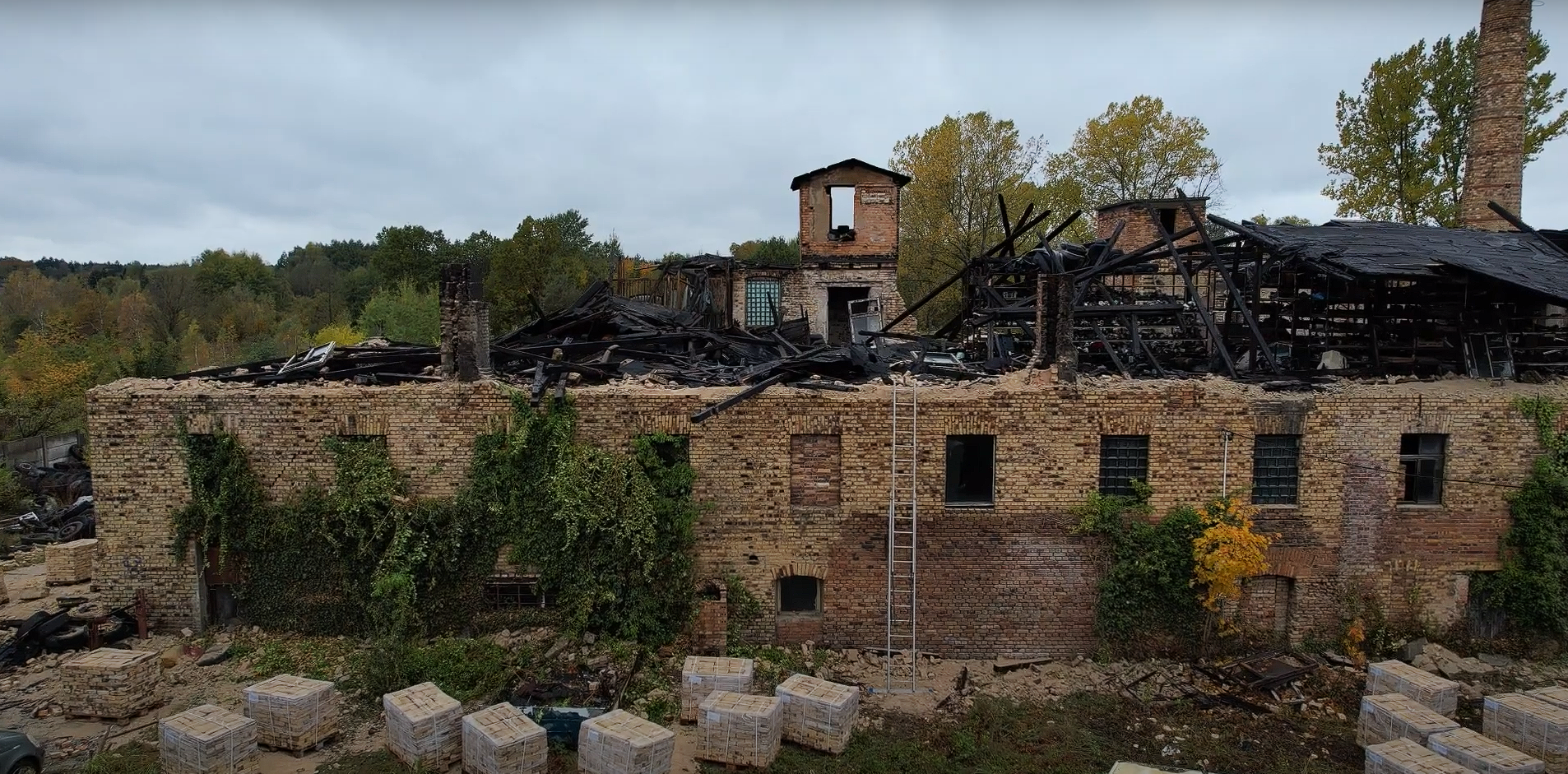
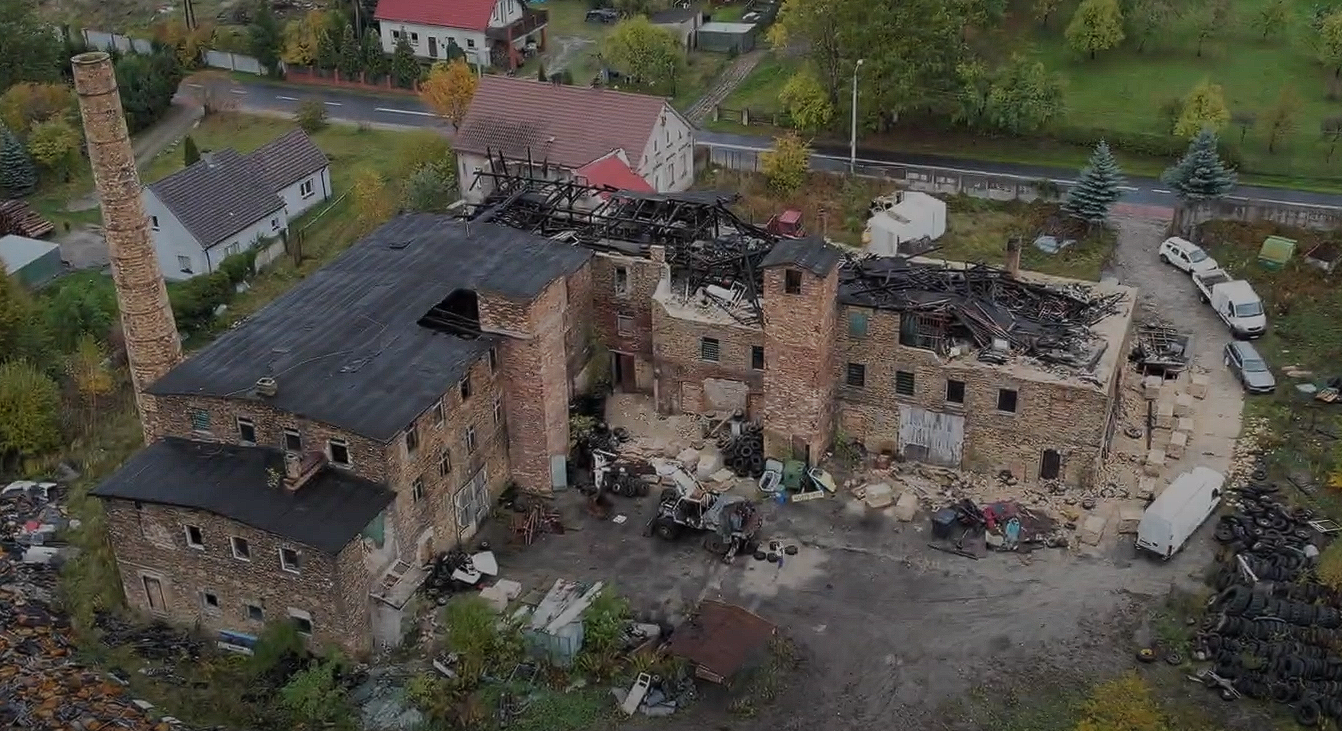
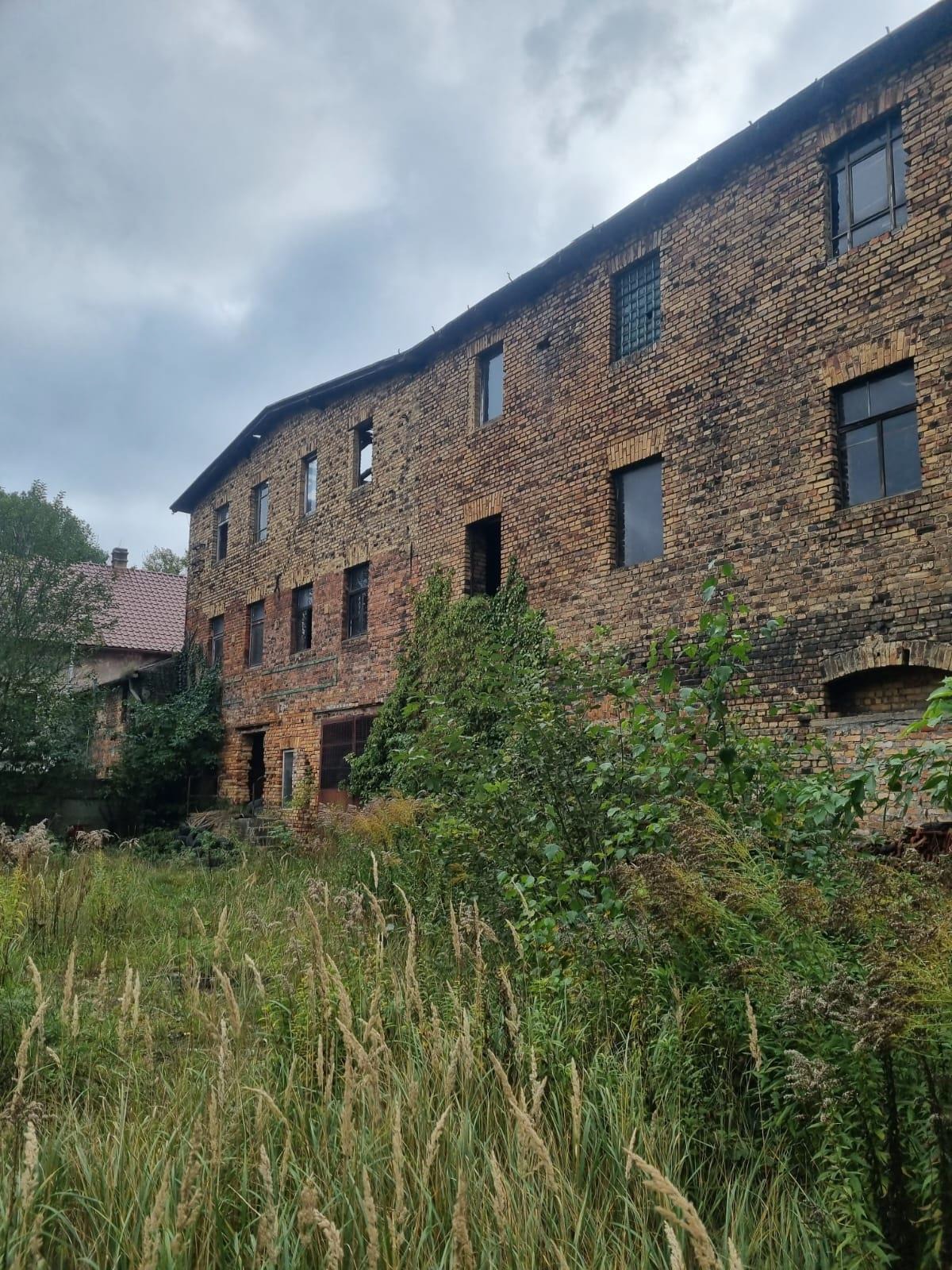
The demolition of the yellow-brick building in Gozdnica showcases work on an old, masonry structure with a strong historical character. The photos show sections of yellow brick walls, window openings, remnants of the structure, and materials prepared for reuse. As a result, this project clearly illustrates not only the demolition process itself but also the value of salvaged bricks.

Old yellow-brick buildings require a careful approach. The walls often have gaps, weak spots, and signs of years of use. That is why the work must be carried out in stages. Safety comes first, followed by controlled dismantling, and then sorting the materials and cleaning up the site.

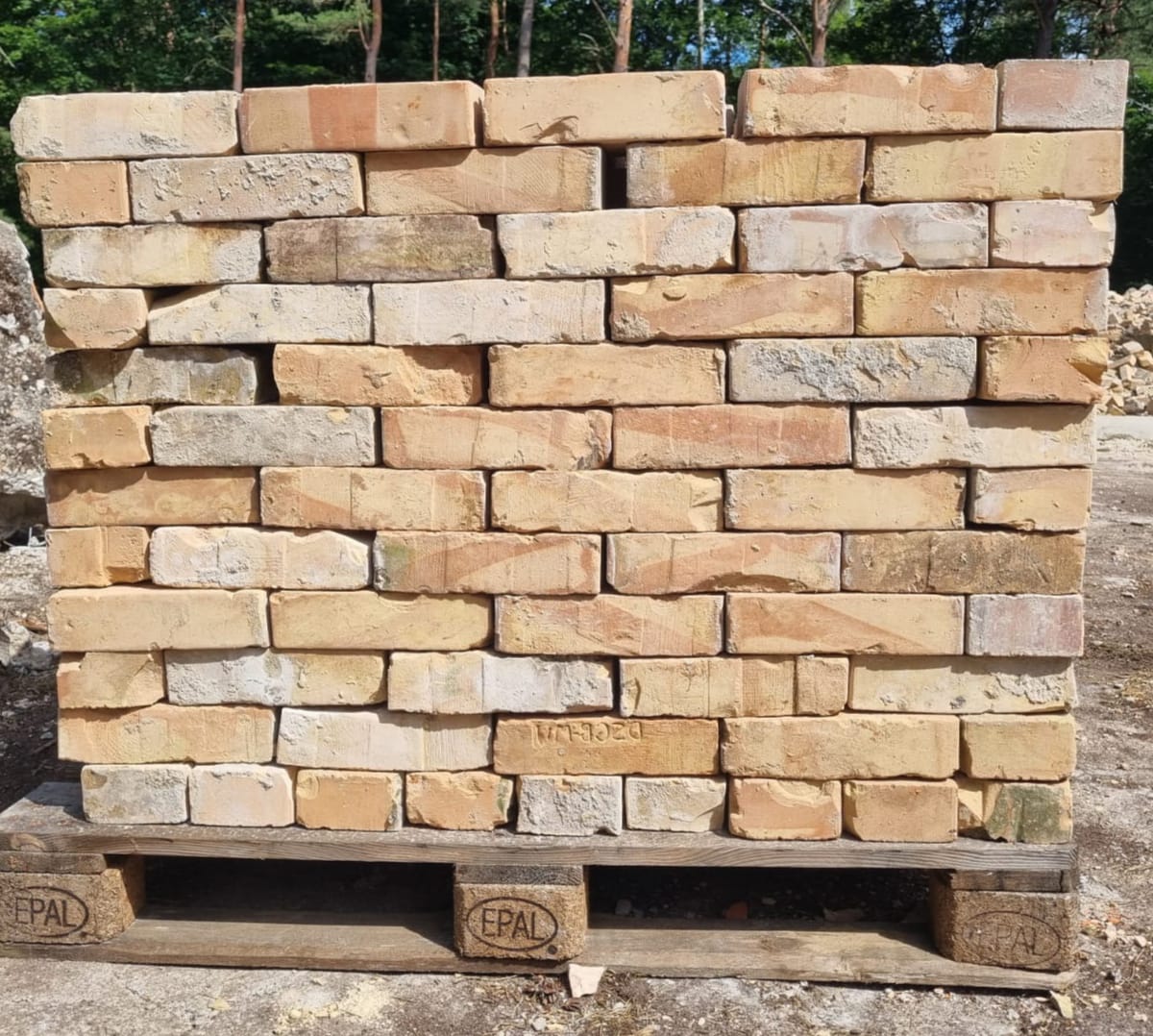
Yellow salvage brick played a significant role in this project. This material has a natural color, an irregular texture, and visible signs of age. That is precisely why developers are eager to use it in renovations, facades, fences, walls, interiors, and garden projects.

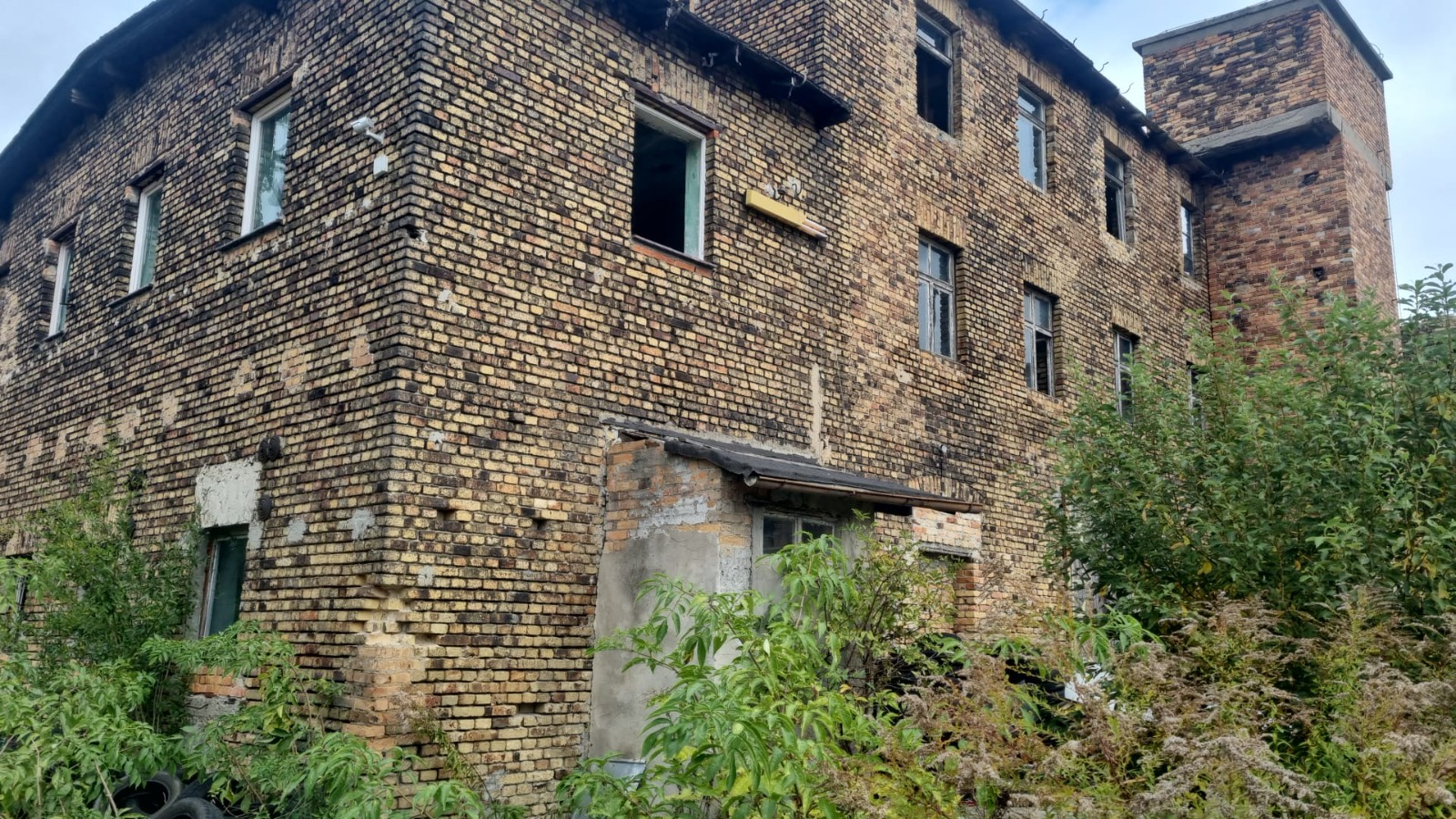
An old yellow-brick building before demolition

The building in Gozdnica had a rustic and authentic appearance. The yellow brick gave it a unique character while also reflecting the history of the old structures. Such buildings are often found in connection with agricultural, industrial, or technical facilities.

Demolishing an old yellow-brick building is not just a matter of quickly tearing down the walls. First and foremost, you need to assess the condition of the structure and carefully plan the sequence of work. This helps minimize risks and better protect materials that can be recycled.

The photos show that the brick has a light, sandy hue and natural discoloration. In addition, some of the bricks still bear traces of mortar and have an uneven surface. It is precisely these characteristics that make yellow salvage brick so highly valued by architects, developers, and anyone looking for a material with character.

How did the demolition of the yellow-brick building proceed?

Demolition work on a structure like this requires good organization. First, the site must be prepared and safe access for equipment must be ensured. Then, the dismantling of the building’s various components can begin. In the case of old walls, it is important to monitor every stage of the process, as the structure may have hidden weaknesses.

When demolishing a yellow-brick building, it is important to pay attention to how the material is removed. If the bricks are suitable for reuse, it’s a good idea to separate them from the rubble and prepare them for further sorting. This ensures that some of the material doesn’t end up as waste but instead gets a second life in new projects.

In Gozdnica, the demolition project demonstrated how the dismantling of an old structure can be combined with the recovery of valuable materials. On the one hand, we are removing a building that no longer serves its purpose. On the other hand, we are salvaging bricks that can still be used in new projects.

Recovery of yellow demolition bricks

Yellow salvaged brick is one of the most distinctive materials recovered from old buildings. It has a warm color, natural discoloration, and a texture that cannot be perfectly replicated in new production. That’s why it works so well wherever authenticity matters.

Bricks salvaged from demolition can be used for wall restoration, facade repairs, building fences, decorative walls, grills, smokehouses, and small architectural features. Importantly, they work well with both historic buildings and modern designs. When combined with wood, steel, glass, or concrete, they create a striking visual effect.

Recovering bricks from demolition also has practical significance. Instead of treating all the material as rubble, bricks in good condition can be sorted out. The material can then be cleaned, sorted, and prepared for sale or reuse.

Yellow brick: a material with character

Yellow brick stands out against the backdrop of classic red brick. It has a lighter shade, which is why it brightens up a space so well. It also pairs perfectly with calm, natural interior designs. It can be used in rustic, industrial, loft, Scandinavian, and Japandi styles.

In exterior projects, yellow brick works well as a material for walls, facades, fences, and architectural details. Indoors, on the other hand, it can be used to create decorative walls, fireplace surrounds, kitchen features, staircases, or backdrops for wooden furniture.

By demolishing structures like the one in Gozdnica, we can recover materials that have a real history. Each brick differs in color, texture, and degree of wear. As a result, the finished project looks natural, not artificial.

Cleaning Up the Site After Demolition

Demolishing a yellow-brick building involves more than just tearing down the walls. After demolition, the site must be cleared, the bricks must be separated from other materials, and the debris must be prepared for removal. Only then can the site be prepared for further work.

On larger construction sites, keeping the site organized is very important. It makes it easier for equipment to operate, speeds up loading, and improves safety. That is why it is important to carry out demolition in such a way that the successive stages form a logical whole.

The most important aspects of this project were the demolition of the old structure and the recovery of the yellow bricks from the demolition. As a result, the material from the old building can be reused, and the site can be prepared for future development after demolition.

Select your currency