Demolition of a residential and utility building in Murowana Goślina
The demolition of a residential and utility building in Murowana Goślina was a project carried out in a challenging environment, near railway infrastructure. Such work requires good organization, experience, and particular caution. Therefore, before work begins, the site must be properly prepared, the demolition area secured, and each stage of the demolition planned.
With this type of project, it’s not just about demolishing the building itself. Equally important are safety, order on the job site, efficient removal of materials, and cleaning up the site after the work is completed. This ensures that the site can be prepared for future use without leaving behind rubble, waste, or unnecessary debris from the building.
The project in Murowana Goślina demonstrates what professional building demolition looks like in a location where not only the structure itself but also its surroundings must be taken into account. The proximity of railroad tracks, access roads, and existing infrastructure requires greater control over the progress of the work. That is precisely why such projects should be carried out by companies capable of combining demolition work with effective site management.
Demolition of a building near railway infrastructure
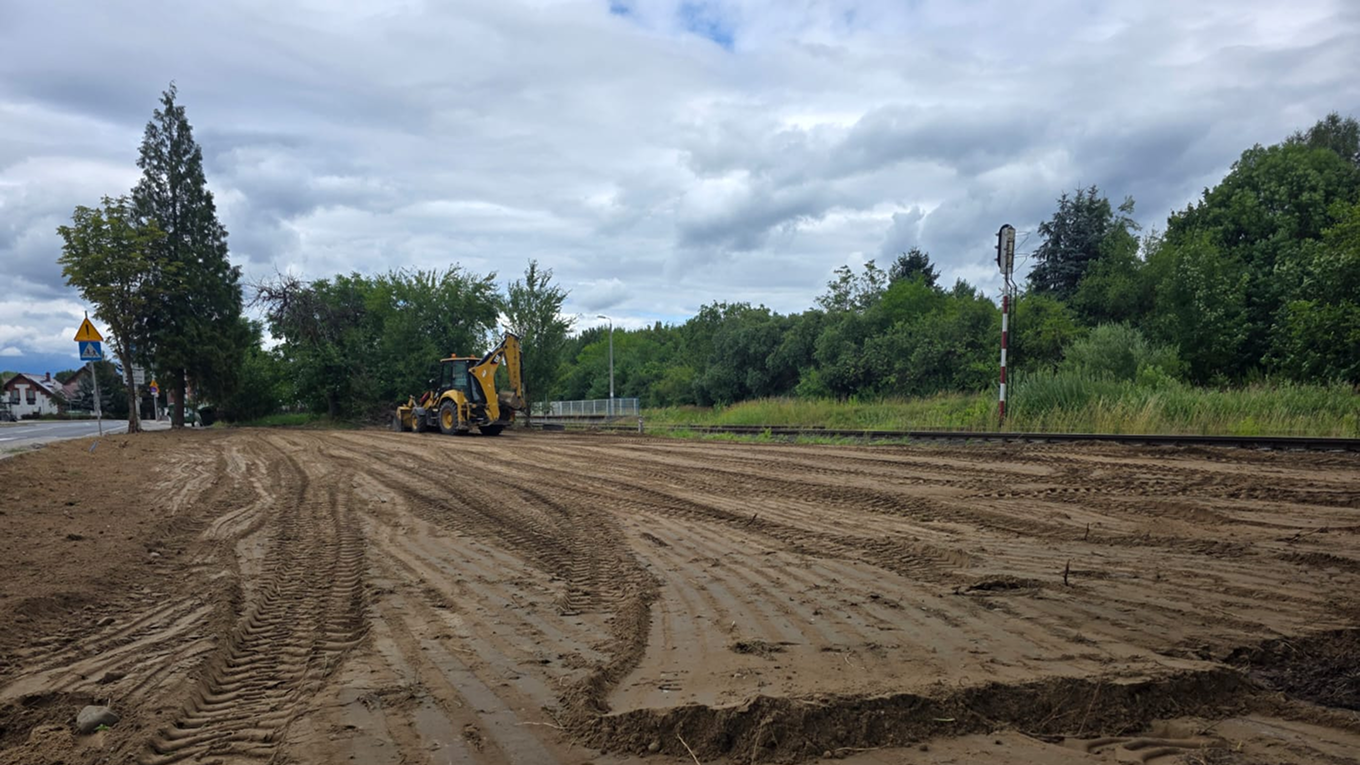
Demolition work near railway infrastructure requires a special approach. You cannot proceed haphazardly in such a location. First, you must plan the organization of the work; next, secure the site; and then carry out the demolition in an orderly and controlled manner.
During demolition, care must be taken to ensure the safety of workers, bystanders, and the immediate surroundings. It is also important to maintain traffic flow and minimize the risks associated with the operation of heavy equipment. Therefore, each stage requires supervision, proper preparation, and efficient execution.
In Murowana Goślina, the demolition of a residential and utility building required precisely this approach. The structure was located in an area where securing the site and properly coordinating the work were of great importance. Thanks to this, the work could be carried out safely, and the site was prepared for further activities after the demolition was completed.
Preparing the Site for Demolition
A successful demolition project begins with site preparation. First, you must mark off the work area and secure it against access by unauthorized persons. Next, you should prepare a space for the equipment, designate an access route, and plan how to load the demolition debris.
In the case of residential and utility buildings, various materials often accumulate: rubble, wood, metal parts, pieces of roofing material, remnants of plumbing and electrical systems, and waste that requires separate disposal. Therefore, it’s a good idea to plan for their sorting and removal right from the start.
This preparation makes it easier to dismantle the building later. It also helps keep the demolition site organized and reduces the risk of delays. As a result, the work proceeds more efficiently, and the site can be cleaned up more quickly once the work is complete.
Demolition of a residential and utility building
The demolition of a residential and utility building requires a phased approach. First, elements that could hinder further work are removed. Next, the contractor proceeds to dismantle subsequent parts of the structure. This allows the contractor to maintain control over the structure and minimizes the risk of uncontrolled collapse of building sections.
In such projects, it is important to pay attention to the condition of the walls, roof, ceilings, and foundations. Older buildings may have weakened structural elements, so work must be carried out with caution. Importantly, demolition is not just about tearing down a building quickly. It is a process that includes dismantling, sorting materials, loading, hauling away debris, and cleaning up the site after the project is complete.
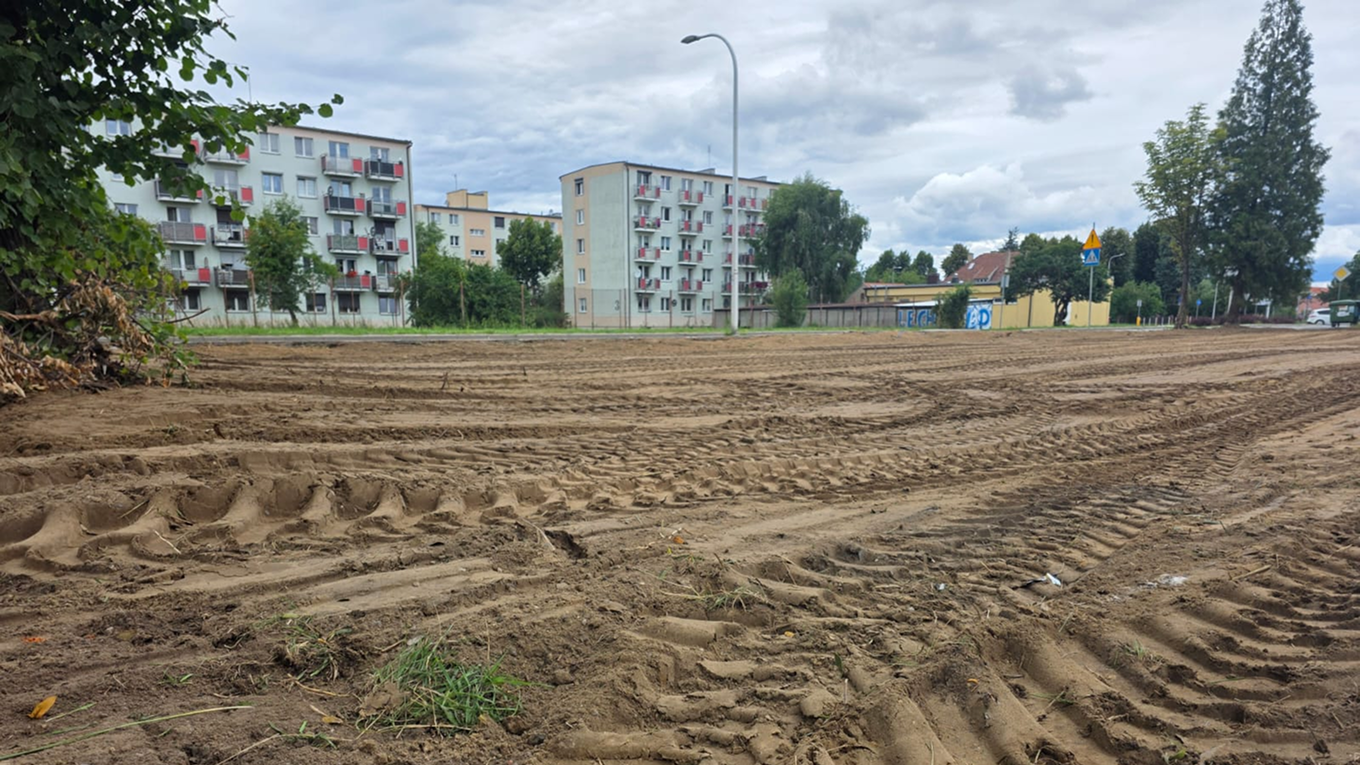
In Murowana Goślina, the demolition work involved removing the building and preparing the site after the work was completed. As a result, the site could be cleaned up and tidied after the demolition.
Removal of debris and materials after demolition
After a building has been demolished, it is very important to remove the debris and other materials. Without this, the site remains unprepared for further use. Therefore, during the project, care must be taken to ensure the loading, transport, and proper disposal of waste.
Rubble, wood, metal, and other demolition materials should be sent for further processing according to their type. This ensures that the demolition site is cleared, and the developer receives a site free of any remaining building debris.
Logistics plays a crucial role in demolition projects in areas with limited access. It is essential to carefully plan equipment movement, loading areas, and the removal of materials. That is why the contractor’s experience affects the pace and safety of the entire project.
Cleaning Up the Site After Demolition
Demolishing a building involves more than just tearing down the walls. The final stage is of great importance, as it determines the condition in which the site will be handed over. Once the main work is complete, the site must be cleaned up, debris removed, the area where the building stood leveled, and the immediate surroundings tidied up.
In Murowana Goślina, the site required cleanup following the demolition of a residential and utility building. This made it possible to prepare the site for future use. This outcome is important both for the property owner and for the subsequent work to be carried out on the site.
Proper cleanup after demolition improves the safety and appearance of the site. It also facilitates the subsequent development of the lot. Therefore, every professional demolition company should treat this stage with the same seriousness as the demolition of the building itself.