Demolition of farm buildings in Toruń
The demolition of farm buildings in Toruń involved the removal of old courtyard structures located in a densely built-up urban area. These were masonry structures with wooden elements, remnants of a roof, brick walls, and adjacent sections of outbuildings.
A project of this type required careful preparation, as the work was carried out in the vicinity of existing buildings and structures that had to be protected. The sequence of dismantling, inspection of the structure’s condition, and maintaining order within the confined area were all of great importance.
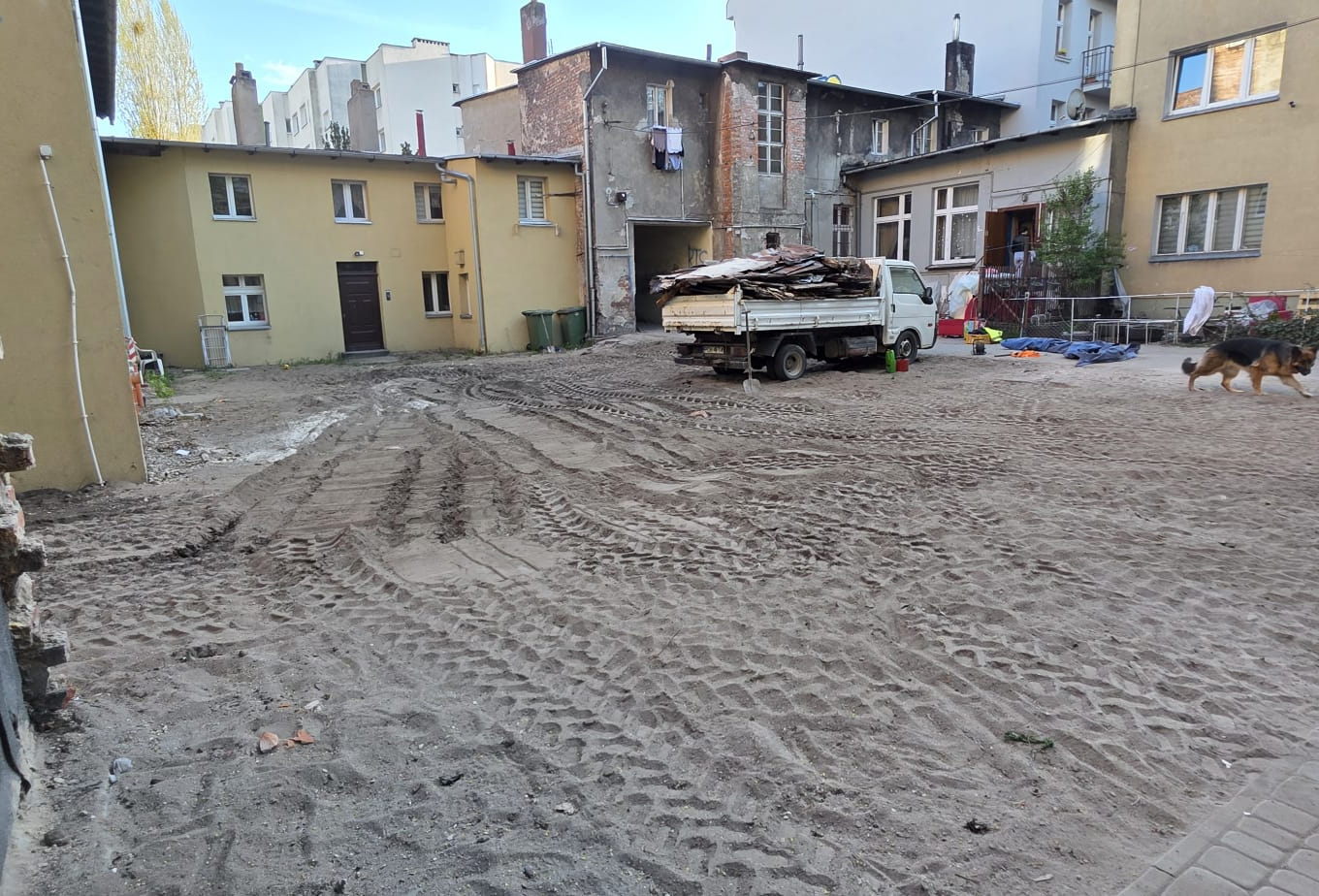
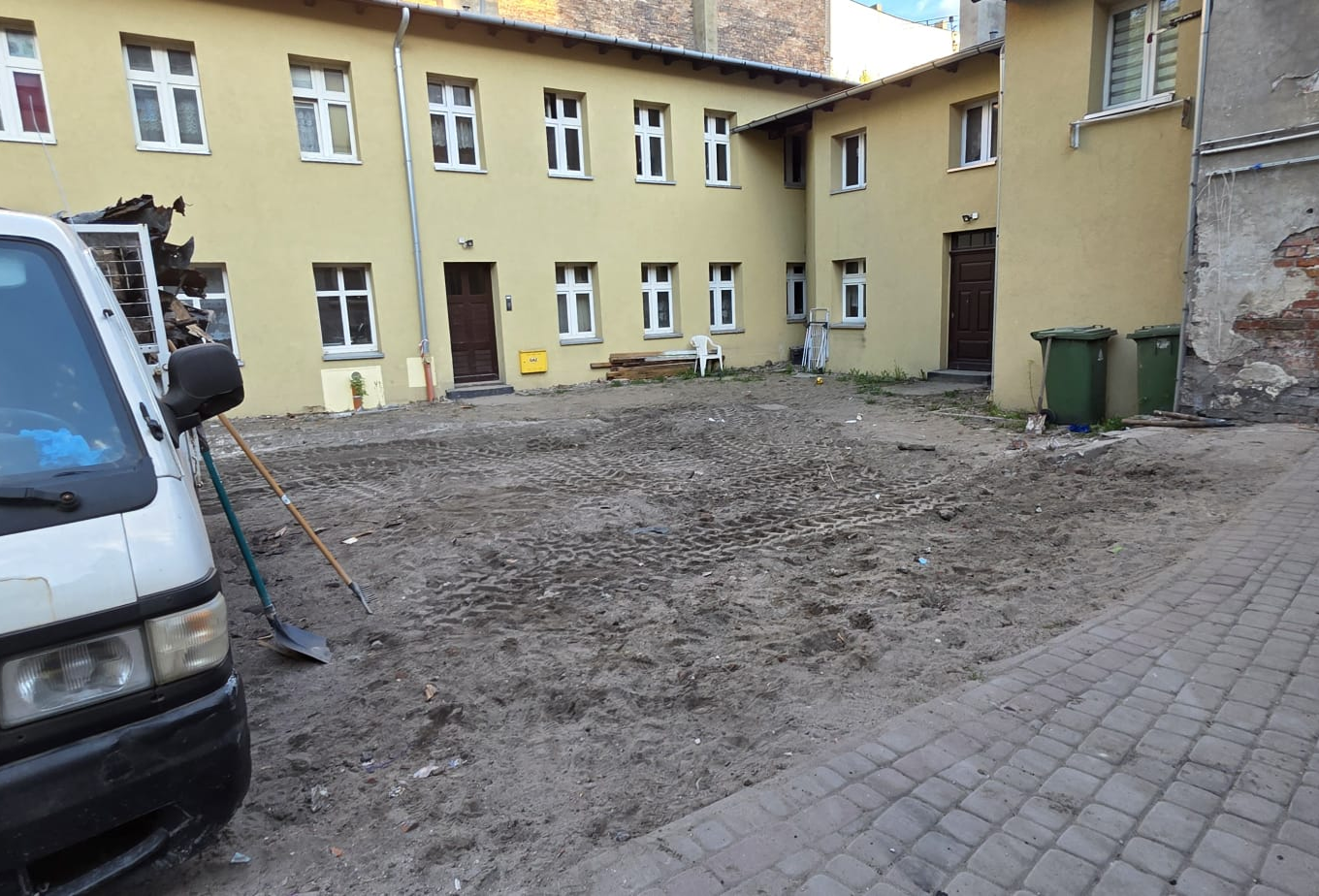
The project involved not only the demolition of the structures but also the removal of debris from the old buildings. As a result, the courtyard was cleared of elements that were damaged, hazardous, or hindered the future use of the space.
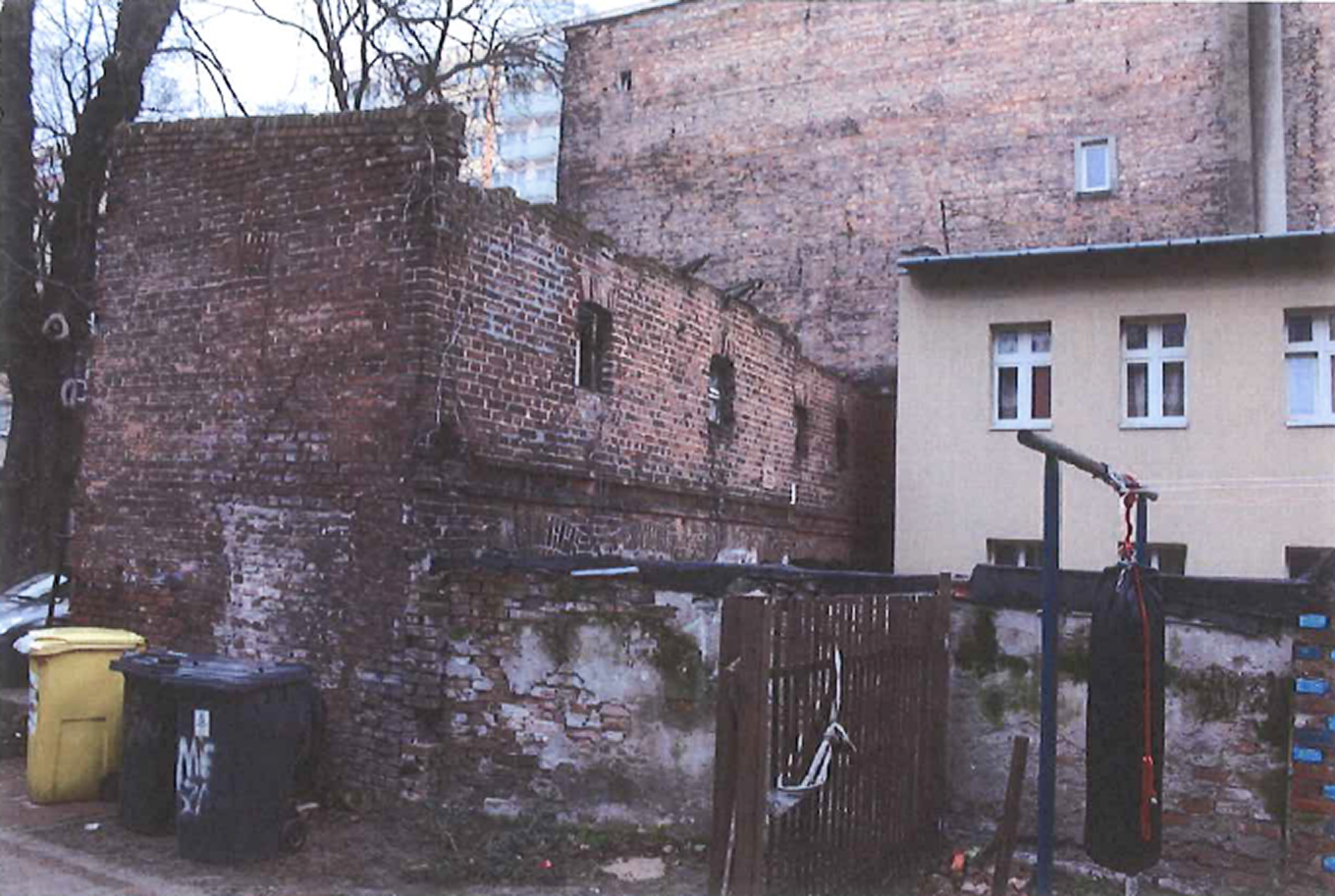
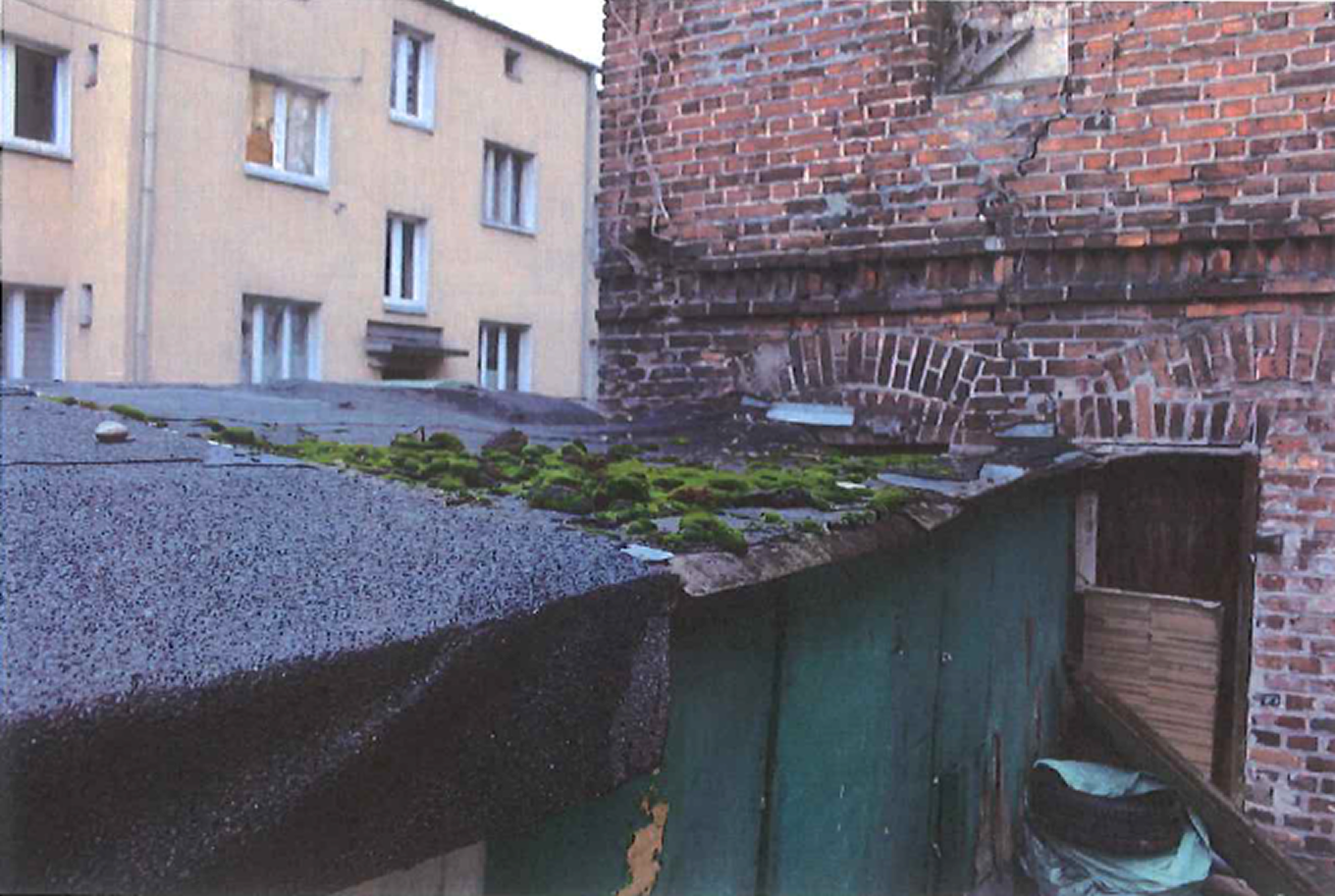
Old courtyard buildings before the renovation work
The outbuildings slated for demolition were old support structures. Such structures often feature solid brick walls, wooden ceilings, makeshift lintels, damaged floors, remnants of roofing, and components that have undergone natural wear and tear over the years.
Before beginning work, the structural condition of the building must be assessed. In the case of old buildings, load-bearing walls, the roof, the chimney, the ceiling, and the points of connection with adjacent structures are particularly important. Some elements may be weakened, so dismantling should be carried out in stages.
Proper assessment of the structure helps minimize the risk of accidental collapse of parts of the structure. It also makes it easier to plan how to remove materials and organize the work site.
Preparing the Demolition Site
Work began with site preparation and the demarcation of the work zone. When conducting demolition work in an urban courtyard, special care must be taken to ensure the safety of bystanders and to protect neighboring buildings, access paths, driveways, and utility infrastructure.
The site must be marked, secured, and organized so that work can proceed without disruption. It is also important to verify that utility lines have been disconnected and to prepare a temporary storage area for materials resulting from the dismantling.
Good site organization is crucial in small and hard-to-reach spaces. It makes it easier to manage work, transport materials, and dispose of waste on an ongoing basis.
Demolition of adjacent storage units and low walls
One of the first steps was to remove smaller structural elements. This included, among other things, the adjacent storage sheds and a low brick wall extending up to the building. This work makes it possible to expose the main structure and prepare the building for further demolition.
Smaller sections must be dismantled carefully, as they may be connected to a larger building or to adjacent elements. Removing such sections too quickly could compromise the stability of the remaining structure.
A phased approach allows you to maintain control over the progress of the work. At the same time, it makes it easier to sort materials such as brick rubble, wood, metal, and leftover fixtures.
Removal of the roof, chimney, and ceiling
The next phase of the work focused on elements located above wall level. In old farm buildings, the roof and ceiling are often in the worst condition. Wooden beams, boarding, ceiling joists, and remnants of the roofing may be weakened and therefore require special care.
The roof should be dismantled in such a way as to prevent components from falling uncontrollably. The same applies to the demolition of the chimney, which should proceed in tandem with the removal of successive sections of the walls. This ensures that the structure loses its height gradually and safely.
Removing the wooden ceiling allows you to proceed with further demolition of the walls. This is an important step because, once the upper parts of the building have been demolished, it is easier to oversee the work being done below.
Demolition of brick walls
Masonry walls made up the main part of the buildings being demolished. Solid brick is a durable material, but in older structures, the mortar and masonry joints may be weakened. Therefore, the walls must be demolished in the proper order.
First, the upper sections of the walls are removed, followed by subsequent sections down to ground level. This method reduces the risk of larger sections of the wall collapsing. In densely built-up urban areas, this is particularly important because other structures are located nearby.
During the work, you should also separate the brick rubble from other materials. This makes it easier to organize the removal of debris and keep the yard tidy.
Protection of Adjacent Buildings
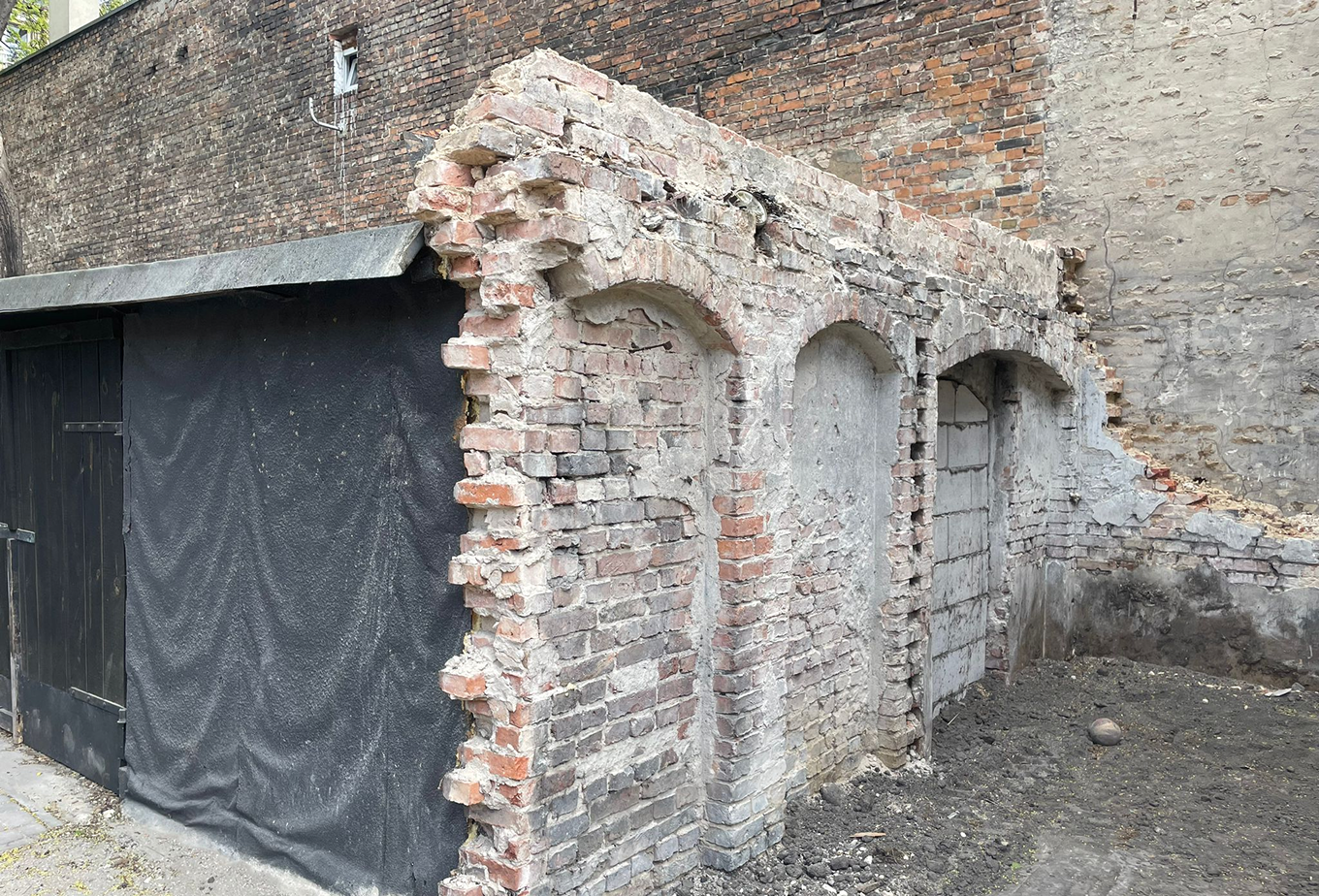
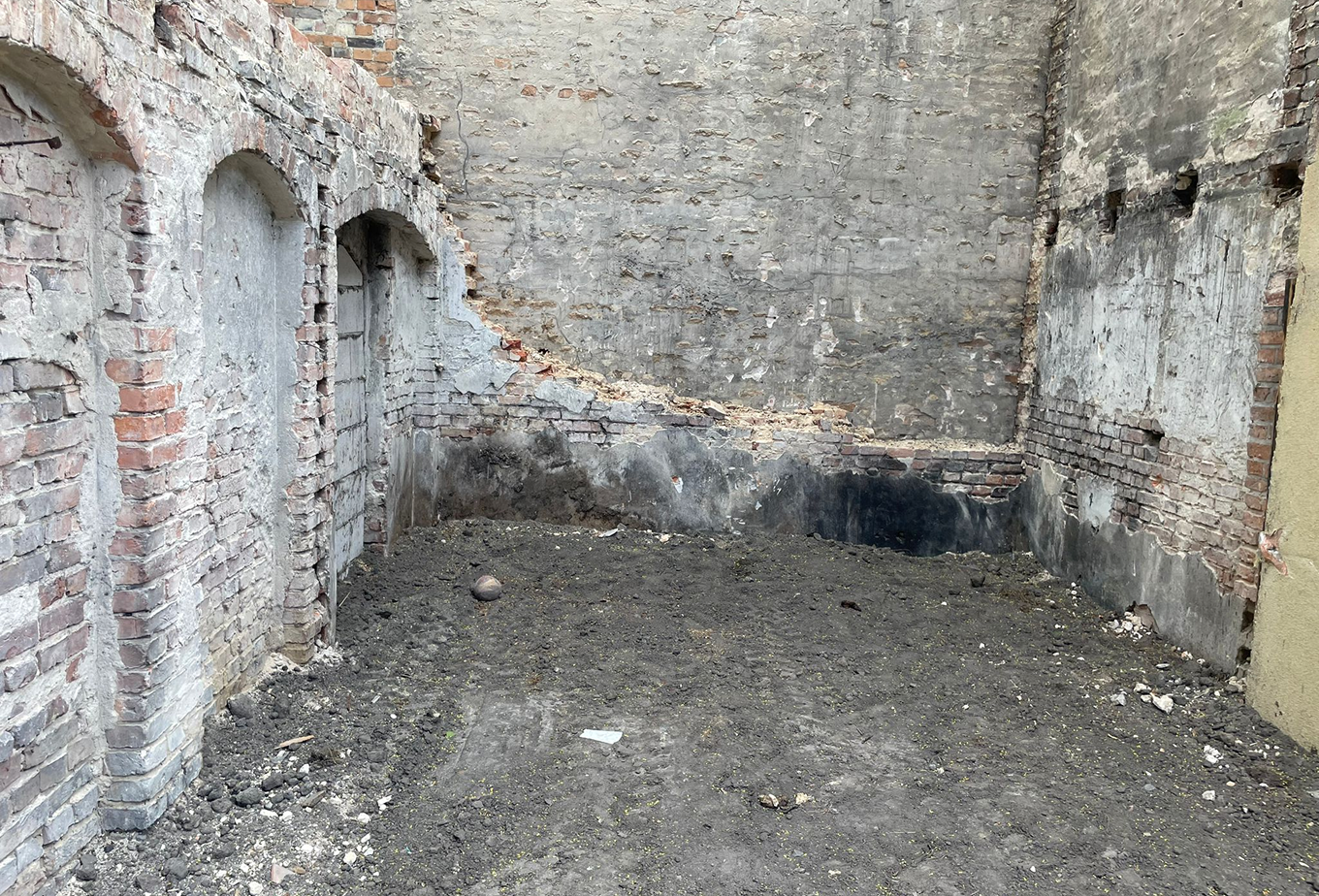
For this project, it was important to protect the elements adjacent to the buildings being demolished. After removing part of the old structure, it may be necessary to prepare the adjacent wall, repair sections of the masonry, apply plaster, or install flashing.
Such work is important because demolition must not leave the adjacent structure without proper protection. This is particularly true for areas where one wall previously abutted another or served as a protective barrier.
As a result, the site is not only cleared after demolition but also organized from a technical standpoint. This is important for work carried out in densely built-up areas.
Sorting of Demolition Materials
Various types of materials were generated during the demolition. Projects like this produce brick rubble, concrete rubble, wood, glass, roofing felt, metal, and waste from fixtures and building components.
Each of these materials requires an appropriate method of disposal. Rubble and wood should be separated from metal parts and mixed waste. Roofing felt and other roofing materials should be handled separately.
Sorting as you go helps keep a limited area organized. It also makes it easier to transport and deliver materials to the appropriate collection points later on.
Cleaning Up the Yard After the Work Is Done
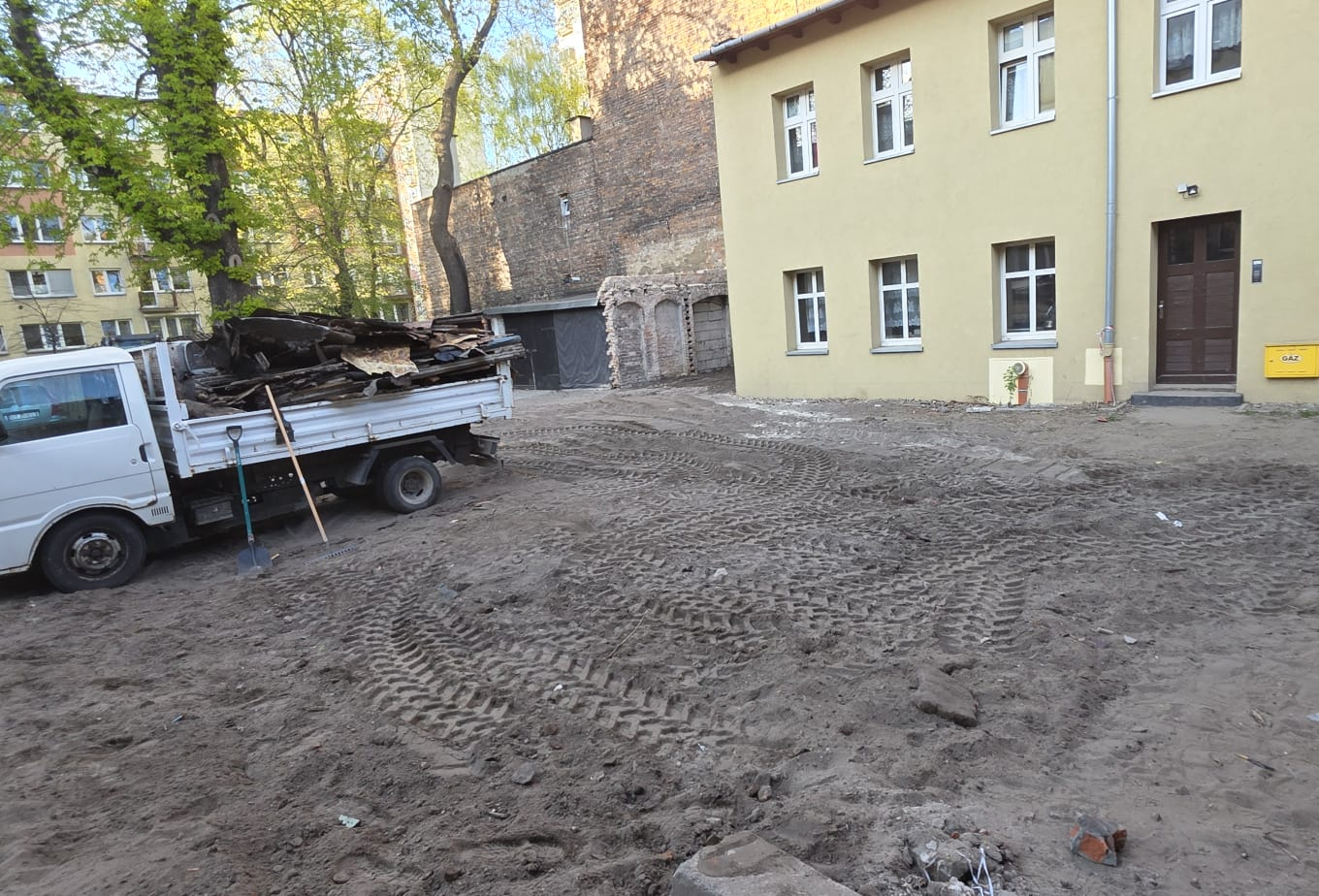
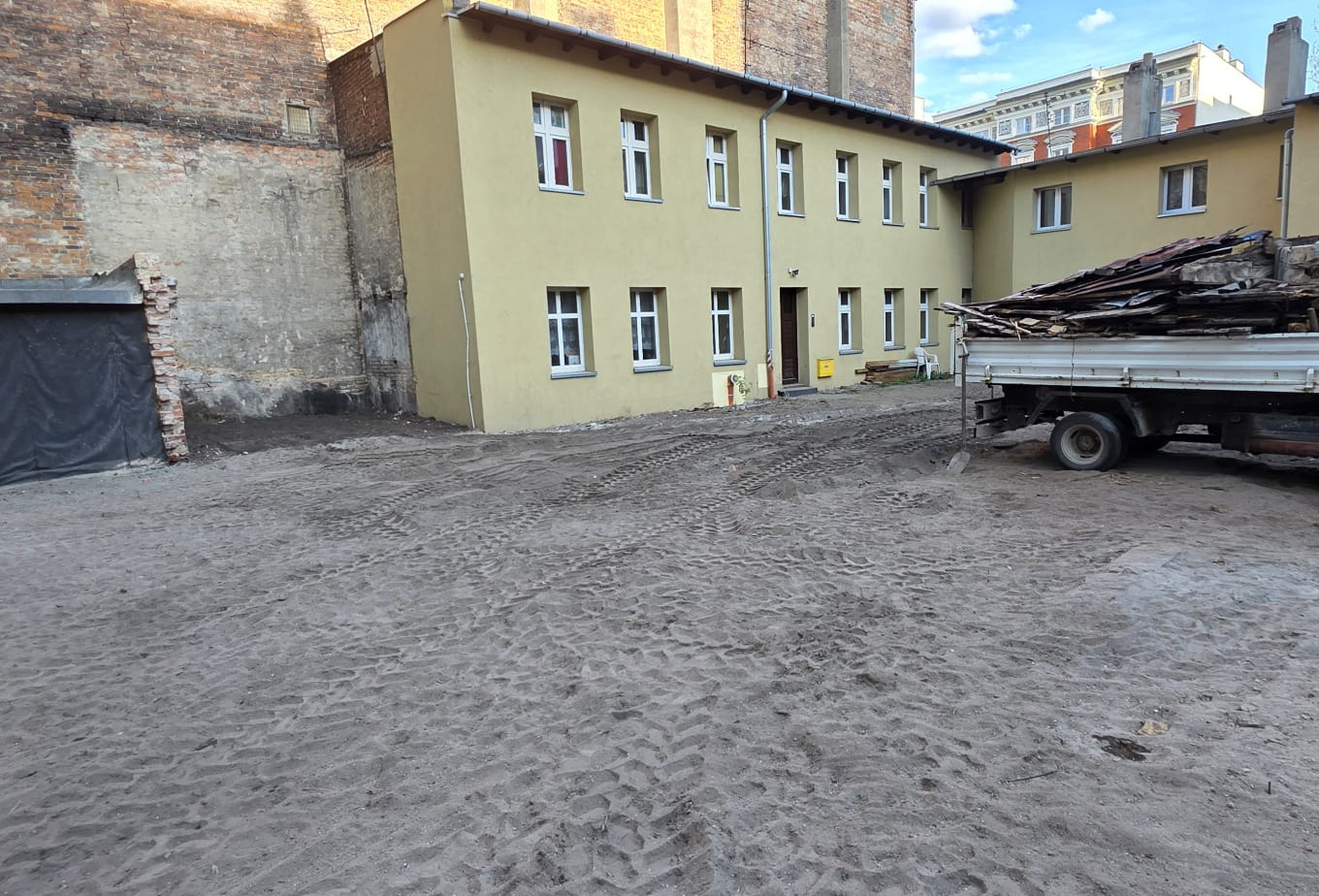
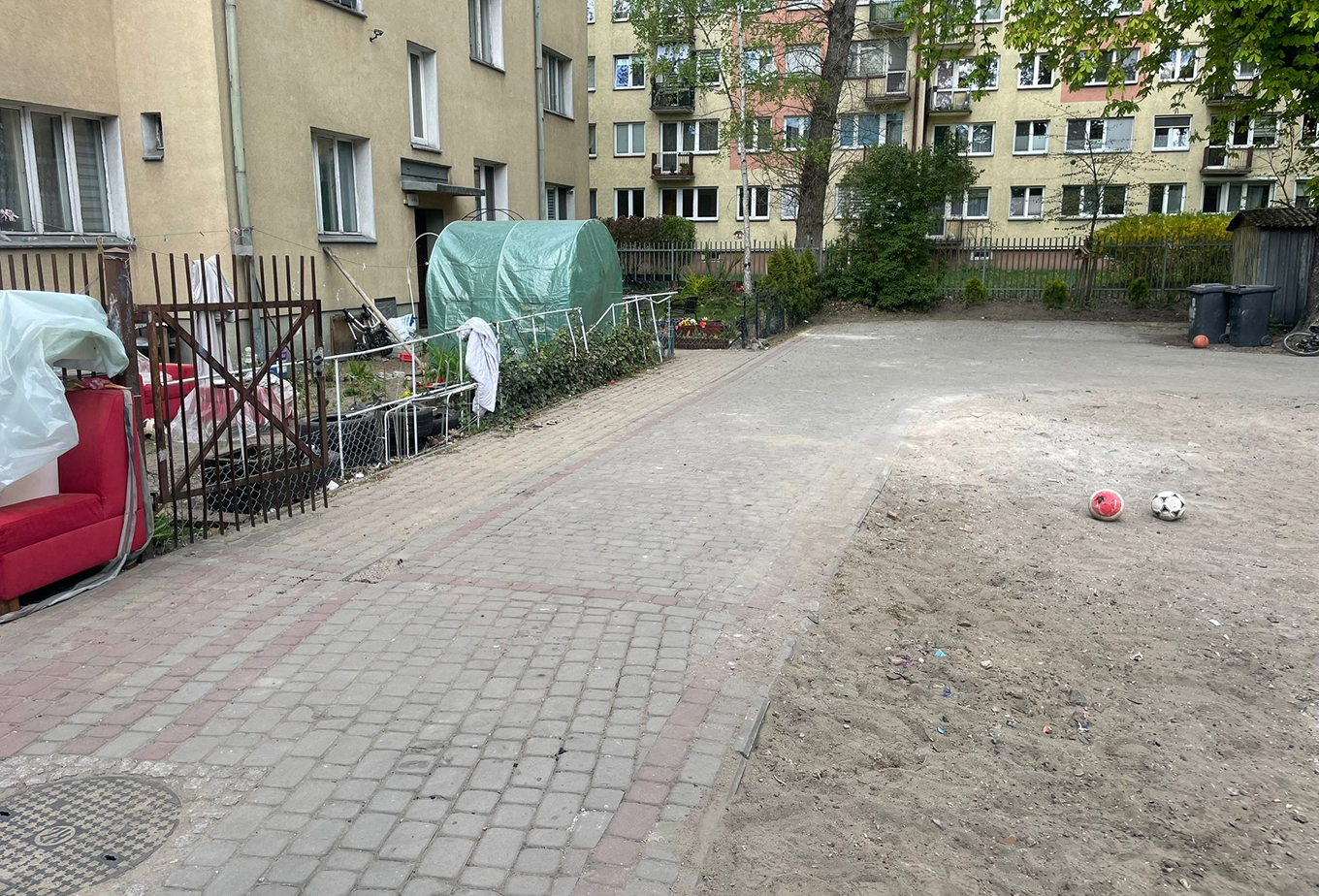
The final stage of demolition involved clearing the yard after the outbuildings had been removed. After dismantling the walls, roof, ceiling, and floors, the remaining debris must be removed and the site restored to a safe condition.
In the case of urban courtyards, it is particularly important to thoroughly clean up the area. Loose pieces of brick, debris, wood, and construction waste can make it difficult to use the space. That is why cleanup work is just as important as the demolition itself.
A well-executed project completion helps organize the property’s back area and prepare it for further development.
Demolition of outbuildings in urban areas
The demolition of outbuildings in Toruń demonstrates that work on old courtyard structures requires experience, precision, and good organization. It is particularly important to protect neighboring buildings, dismantle the structures in stages, and properly manage the materials.