Surprisingly, brick in the kitchen, while aesthetically pleasing and fashionable, has its challenges. The porous surface of this material easily absorbs grease, dirt and moisture, which can lead to permanent damage. What steps should you take to preserve its beauty for longer? In this article, we discover effective methods for protecting brick walls using the right waterproofing products.
They not only protect against unwanted stains, but also make it easier to keep clean. Learn our tips for choosing the best waterproofing products and application techniques so that the old brick in your kitchen always looks impeccable.
Why is waterproofing brick in the kitchen so important?
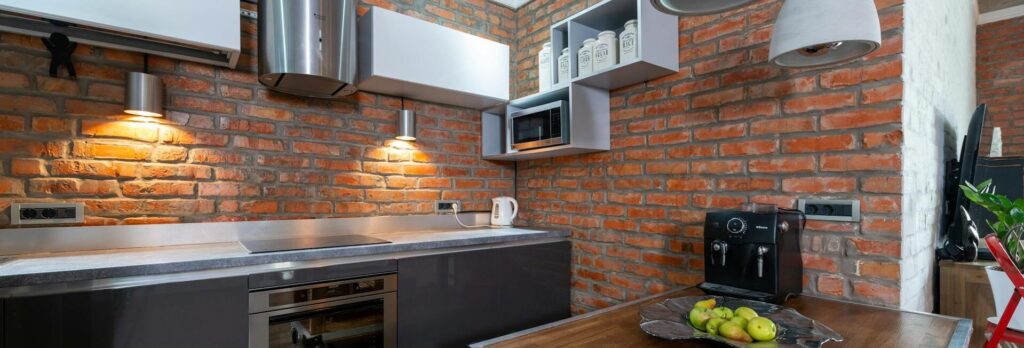
Impregnation of brick in the kitchen plays a key role, protecting it from grease stains, dirt and moisture. Brick, being a porous material, easily absorbs dirt, which can lead to damage and loss of its attractive appearance. Fortunately, with impregnation it becomes more resistant to these undesirable substances.

The use of impregnants increases the durability of the brick by reducing moisture absorption, and also makes it easier to clean. A wall protected in this way retains its aesthetic appearance for a long time, which is especially important in the kitchen, where we often have to deal with splashing grease or steam generated during cooking.
In addition, proper care ensures interior aesthetics and the benefits of hygiene and cleanliness of the food preparation space.
Caring for a brick wall is an investment in the lasting aesthetics and robustness of this material. This allows us to enjoy the charm of rustic walls without worrying about the effects of daily use of the kitchen.
Check out our range of waterproofing and chemistry for old brick tiles here <<
How to protect the brick in the kitchen from grease?
To effectively protect the brick in the kitchen from grease, it is worth using impregnants that form a protective coating on its surface. It is crucial to choose the right product. Silicone and acrylic impregnants are especially recommended, as they perfectly protect against the penetration of grease and dirt.
Before starting the impregnation, make sure the brick is clean and free of dirt. A carefully cleaned surface improves the adhesion of the preparation and its effectiveness. This is a very important step.

How to protect a brick wall in the kitchen from moisture?
To effectively protect beautiful wall of old brick in the kitchen from moisture, it is necessary to use an impregnant, silicone or acrylic. It creates a protective barrier, preventing the brick from soaking up water (and, consequently, damage).
Impregnation not only protects against moisture or grease, but also simplifies the maintenance of the wall. As a result, daily maintenance of the kitchen becomes less demanding, and the interior retains its aesthetic appearance for a longer period of time.
Don’t forget to renew the protective layer regularly every few years to ensure lasting protection for the brick wall in the kitchen.
What are the most effective waterproofing products for brick?
The most effective impregnants for brick are those based on silicone and acrylic. They perfectly protect against moisture, grease and dirt, which is especially important in the kitchen.
Silicone impregnations create an invisible barrier that effectively repels water and dirt, while allowing the brick to “breathe”. Acrylic ones, on the other hand, provide additional mechanical protection through a flexible coating.
The right choice of preparation is crucial for the durability of brick surfaces. It is important to pay attention to the specifications of the product and its compatibility with the material in our kitchen interior.
How to prepare the surface of the brick for impregnation?
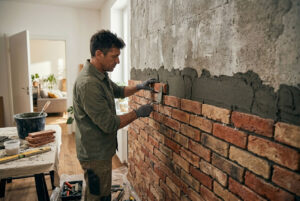
Preparing the brick for waterproofing plays a key role in the success of the entire process.
- To begin with, get rid of all dirt, dust and dust.
- It is a good idea to use appropriate cleaning agents that will increase the adhesion of the waterproofing.
- Then you need to wait for the brick to dry completely.
- Careful cleaning is necessary to avoid problems when applying the waterproofing.
- If the surface is not properly prepared, the protective coating may spread unevenly and work less effectively.
Clean and dry brick is the foundation of successful waterproofing.
How to apply waterproofing to brick in the kitchen?
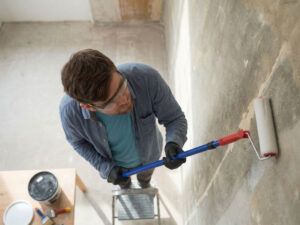
Once you have properly prepared the brick, choose the application method best suited to the type of waterproofing, such as brush, roller or spray.
- Apply evenly – whatever technique you choose, make sure that the waterproofing covers the brick evenly over its entire surface. Try not to skip any sections.
- Follow the manufacturer’s instructions – after applying the waterproofing, let it dry according to the manufacturer’s recommendations on the product’s packaging.
- Quality control – make sure that the layer is uniform and there are no gaps on the surface of the brick.
What mistakes to avoid when waterproofing a brick?
When impregnating decorative bricks in the kitchen it is important to avoid several key mistakes that can affect the effectiveness of the entire process.
- First of all, do not apply the impregnator to surfaces that are dirty or damp, as this weakens its protective properties. Therefore, it is important that the brick be thoroughly cleaned and completely dry before proceeding.
- Many people make the mistake of applying too much product. This can lead to its runoff and uneven distribution, which in turn reduces the effectiveness of the protection.
- It is important to follow the manufacturer’s instructions on the method of application and the recommended amount of product.
- Another key aspect is the drying time recommended by the manufacturer. Attempts to speed up this stage can lead to inferior protection of the brick.