Demolition of a farm building in Trzmielów
The demolition of a farm building in Trzmielów involved the removal of an old structure located in a rural area, near a road and residential buildings. The building was in poor structural condition, so the work required careful planning, securing the site, and phased dismantling.
The building had a masonry structure with elements of brick, stone, and wood. In addition, there was old roofing material that required separate handling. That is precisely why the demolition could not consist solely of quickly tearing down the walls. First, it was necessary to define the scope of work, secure the site, and plan the sequence of operations.
As part of the project, roof components, the wooden structure, walls, building debris, and demolition waste were removed. The site was then cleaned up and prepared for further development.
An old farm building before demolition
The outbuilding was a single-story structure with a usable attic. Such buildings often have a varied construction, as they have been remodeled, repaired, and adapted to current needs over the years. As a result, they may combine brick walls, stone foundations, wooden ceilings, old roofing, and worn-out woodwork.
Before beginning work, it is necessary to assess the structural condition of the building and determine a safe sequence for dismantling it. In the case of old farm buildings, special attention should be paid to the roof, ceiling, chimneys, load-bearing walls, and elements weakened by moisture.
With proper preparation, you can reduce the risk of uncontrolled collapse of parts of the structure. In addition, it is easier to plan how to store materials and clean up the site afterward.
Preparing the site for demolition work
Preparing the construction site was one of the key stages of the project. The area had to be secured, marked, and fenced off from unauthorized persons. With the facility located near a road, it is also important to ensure clear access routes and designated workspaces for equipment.
First, you need to remove any loose parts, set up areas for storing materials, and check that the work will not interfere with the surrounding area. Only then can you begin the actual dismantling of the structure.
Good site organization helps maintain order from the very beginning. Importantly, it also reduces the risk of debris, wood, and other materials being accidentally scattered around the site.
Removal of asbestos-cement roofing
A key part of this project was the removal of the old roofing material containing asbestos cement. This material requires special care, as it cannot be treated like ordinary construction debris. Work involving asbestos cement must be carried out in a controlled manner, in accordance with safety regulations.
Roof panels should be removed carefully, without crushing them or causing unnecessary damage. The material should then be secured, prepared for transport, and sent for proper disposal. This reduces the risk of dust generation and contact with hazardous materials.
Only after the roofing material has been removed can you proceed to the next steps, such as dismantling the roof trusses, ceiling, walls, and other building components.
Demolition of a wooden structure
After removing the roofing, the work involved removing the wooden structural elements. In old farm buildings, wood is typically found in the roof trusses, sheathing, ceilings, beams, and auxiliary elements. Some of these may be weakened by moisture or years of use.
The dismantling of the wood should be done in stages. First, remove the loose parts and those most at risk of damage. Then you can move on to the larger sections of the structure. This makes the work safer and keeps the site more organized.
Separating wood from brick and debris is also important for the subsequent reuse of materials. Each material category requires a different method of collection, so sorting the materials during construction helps facilitate the completion of the entire project.
Demolition of brick and stone walls
The main part of the structure was built of masonry materials. In such buildings, there are brick walls, stone sections, and old mortar, which lose their strength over time. Therefore, the demolition of these walls requires careful supervision and must be carried out in the proper sequence.
First, the upper sections of the walls are removed, followed by subsequent sections of the structure. This approach to the work reduces the risk of larger sections of the wall collapsing. At the same time, it allows for the separation of brick rubble, stone, wood, and other debris.
With old walls, you need to watch out for cracks, spalling, and sections weakened by moisture. That is precisely why the contractor’s experience is so important. Demolition should proceed efficiently, but without accidentally damaging the remaining elements.
Sorting of Materials After Demolition
Several types of materials were generated during the demolition of the outbuilding. It was necessary to separate brick rubble, concrete rubble, wood, metal, roofing debris, and other construction waste. This sorting helps maintain order and facilitates further transport.
When it comes to demolition materials, it is very important to manage them properly. Asbestos cement requires special handling, wood should be collected separately, and debris must be prepared for removal or further use according to its type.
Sorting materials as you go shortens the final cleanup phase. It also helps keep the site tidy and makes it safer to continue with earthwork.
Clearing the Lot Where the Building Stood
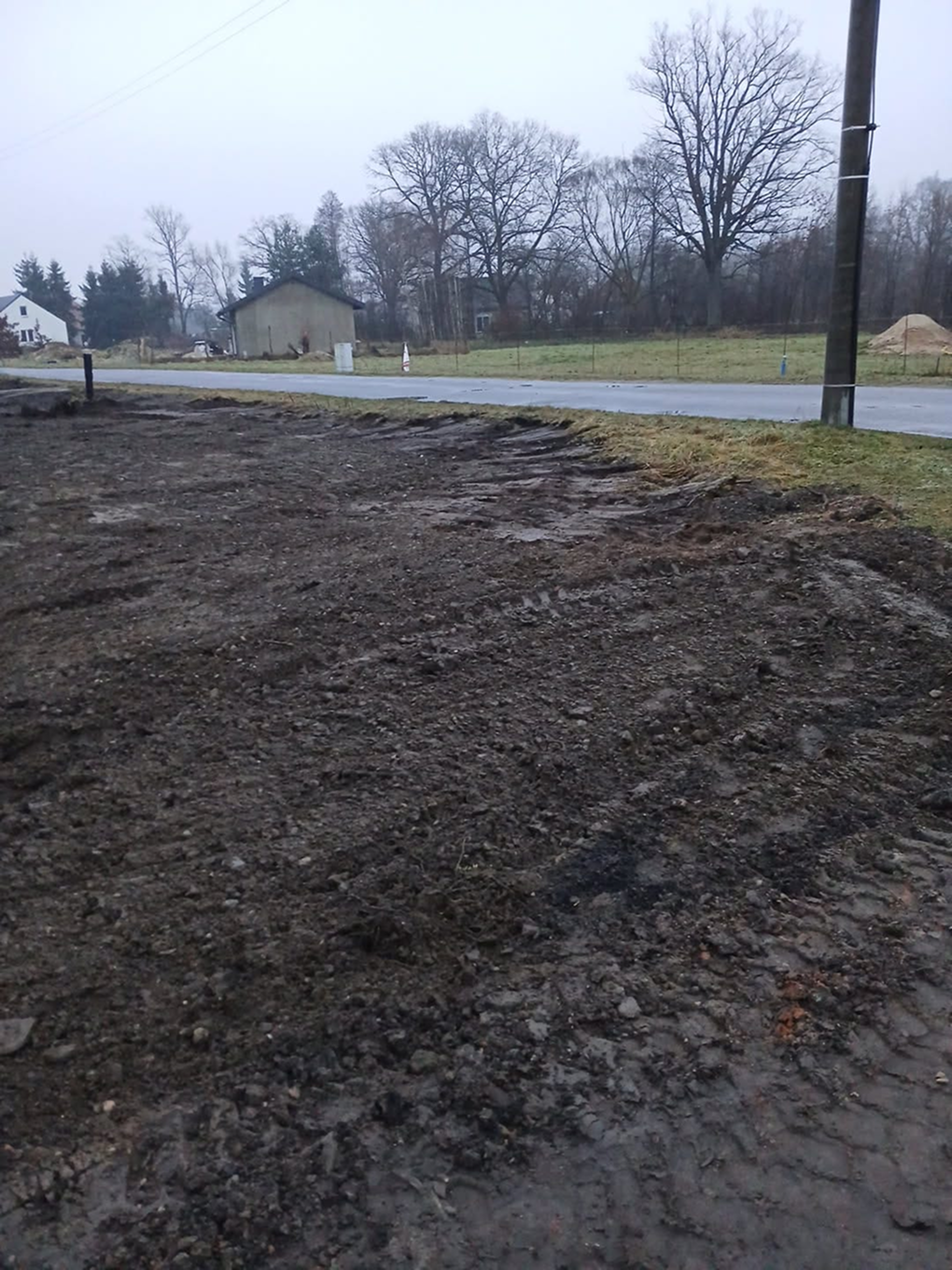
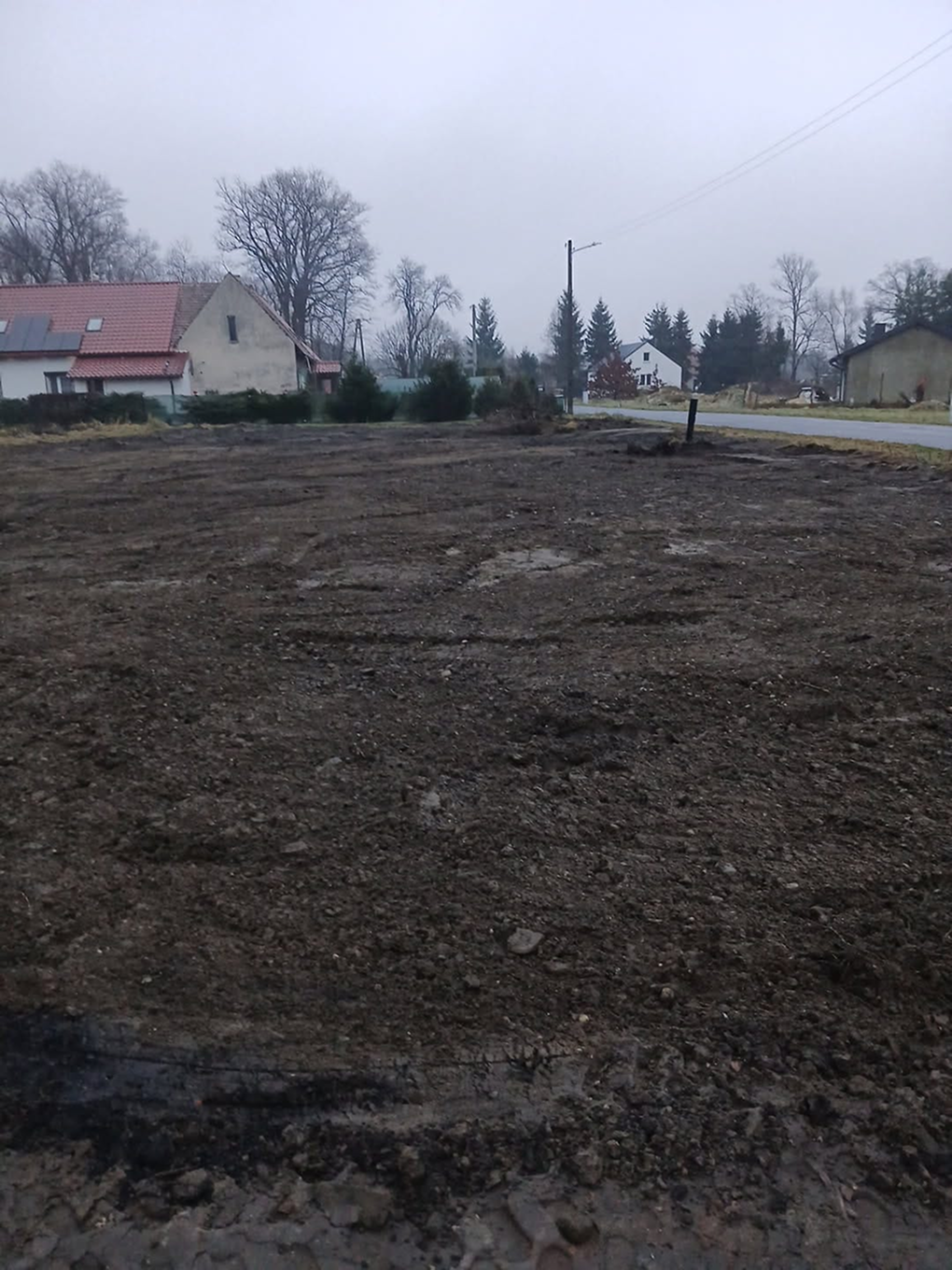
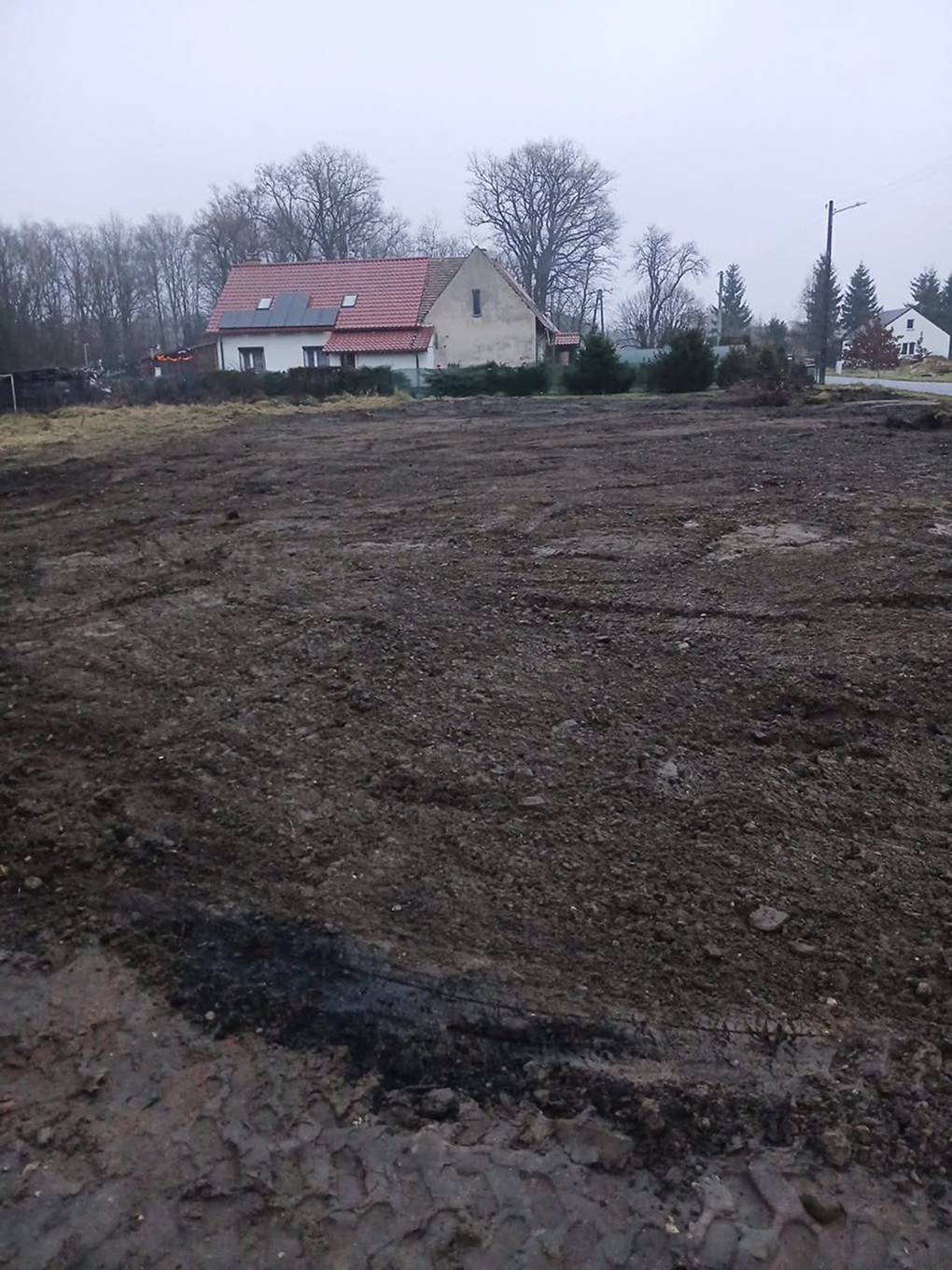
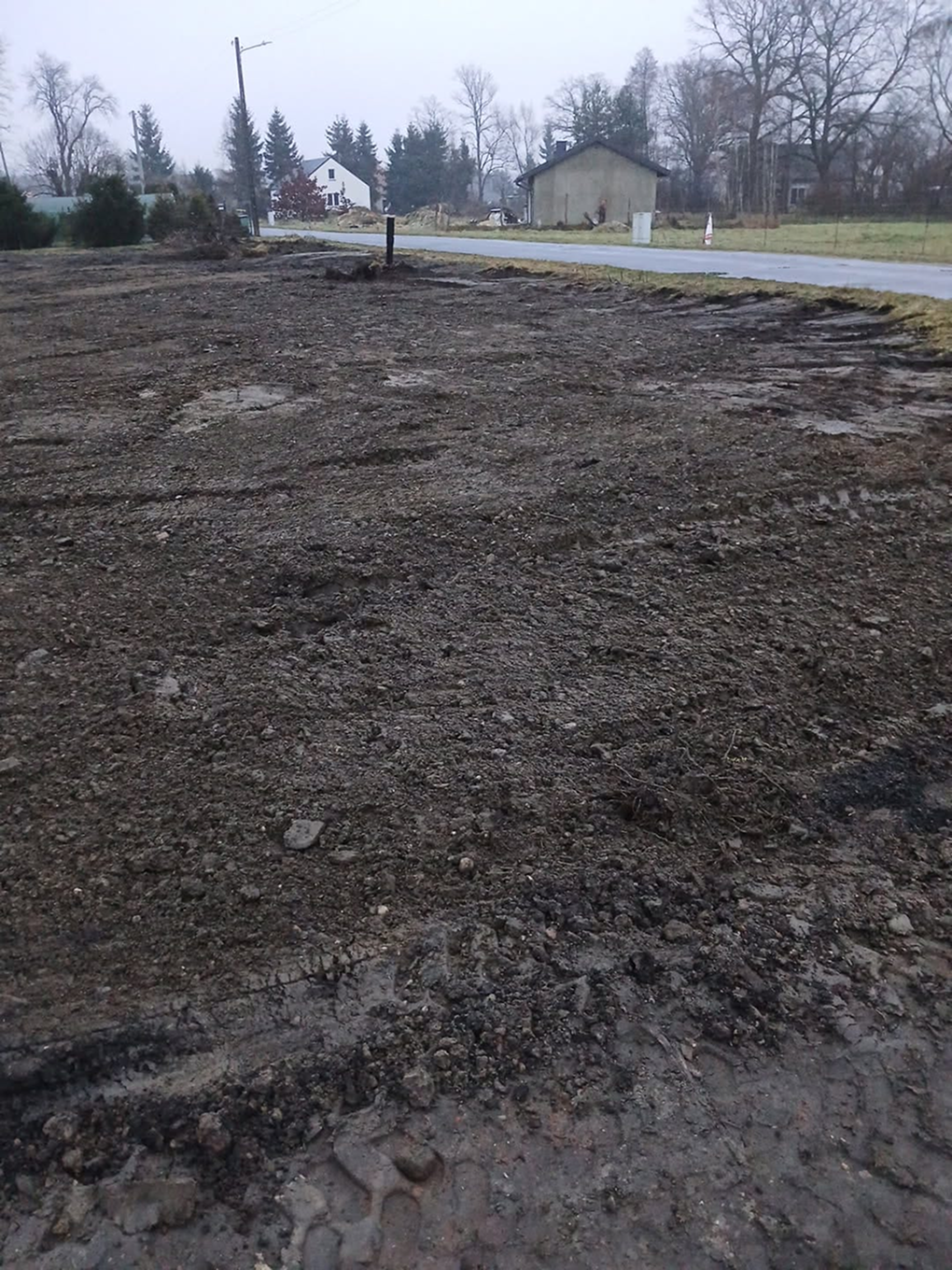
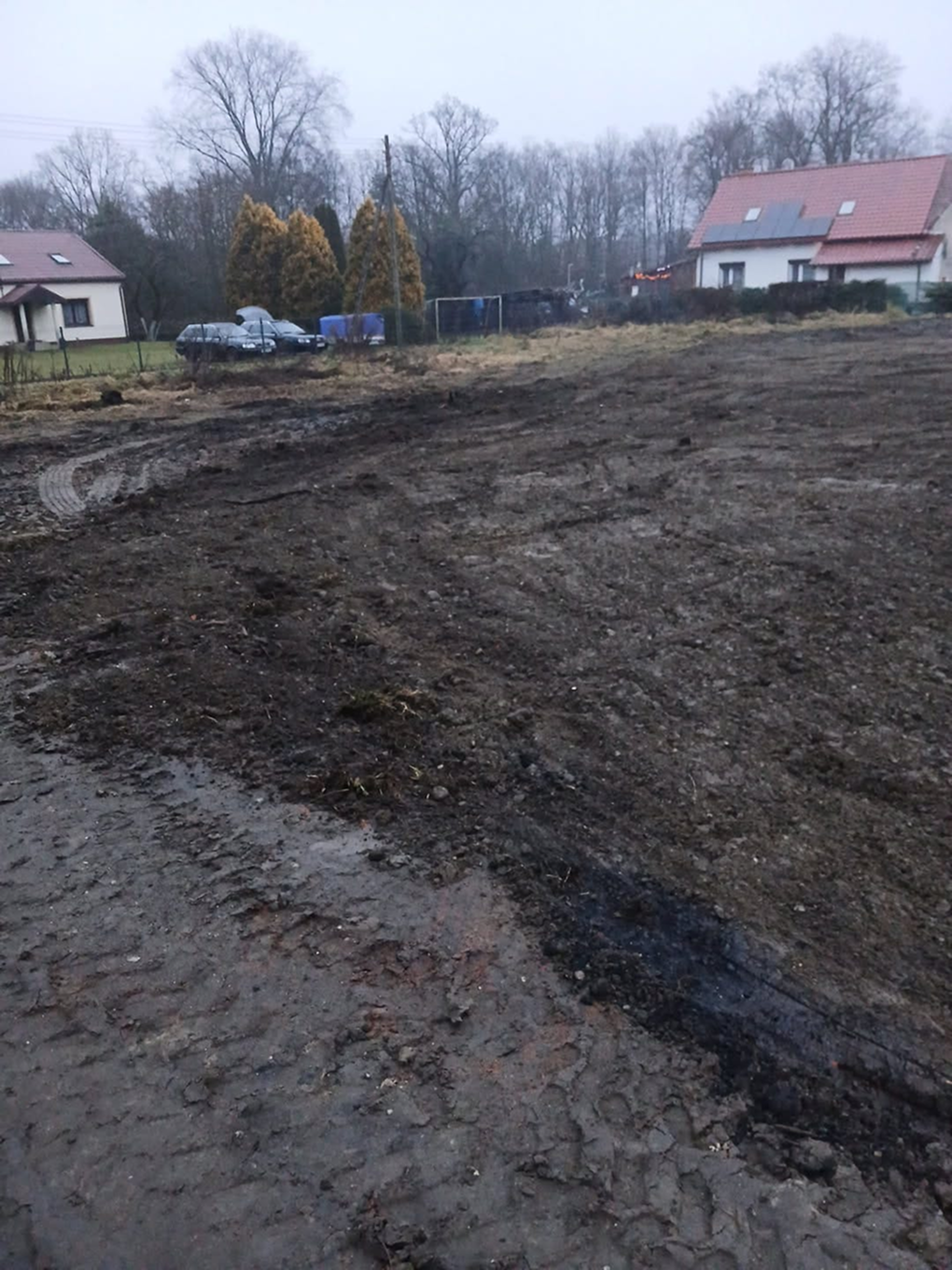
Once the demolition was complete, the site needed to be cleaned up and leveled. The remains of the building, including debris, wood, and other materials, had to be removed so that the lot could be prepared for future use.
Final cleanup is particularly important for sites located along roads and near residential areas. The site should not be left with loose structural fragments, sharp objects, or uneven surfaces that could hinder subsequent work.
Clearing the site makes the area where the old building once stood safer and more visually clear. This is the final stage, which determines the overall outcome of the project.
Demolition of a building in a rural area
The demolition of a farm building in Trzmielów was carried out in a rural setting, in an open area adjacent to a local road. Such a location offers more space than dense urban development, but still requires good organization.
It is necessary to ensure access for equipment, provide space for storing materials, secure the surrounding area, and keep the area along the road tidy. In the case of an old building with asbestos roofing, it is also necessary to properly plan the removal of the roofing material.
It is best to carry out this type of work as a comprehensive project. It includes site preparation, roof removal, structural demolition, material sorting, and final site cleanup.