Demolition of a farm building in Bytom
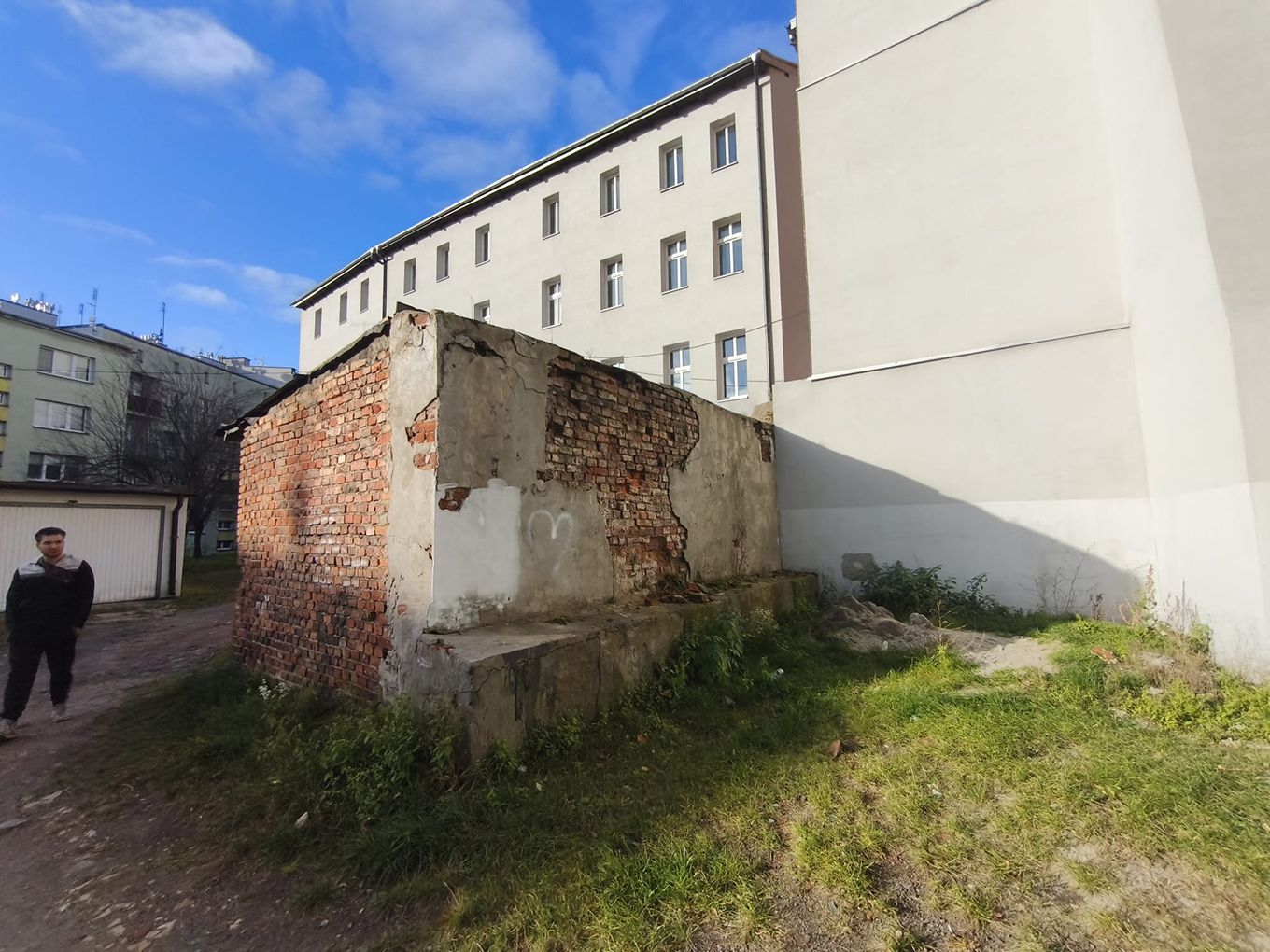
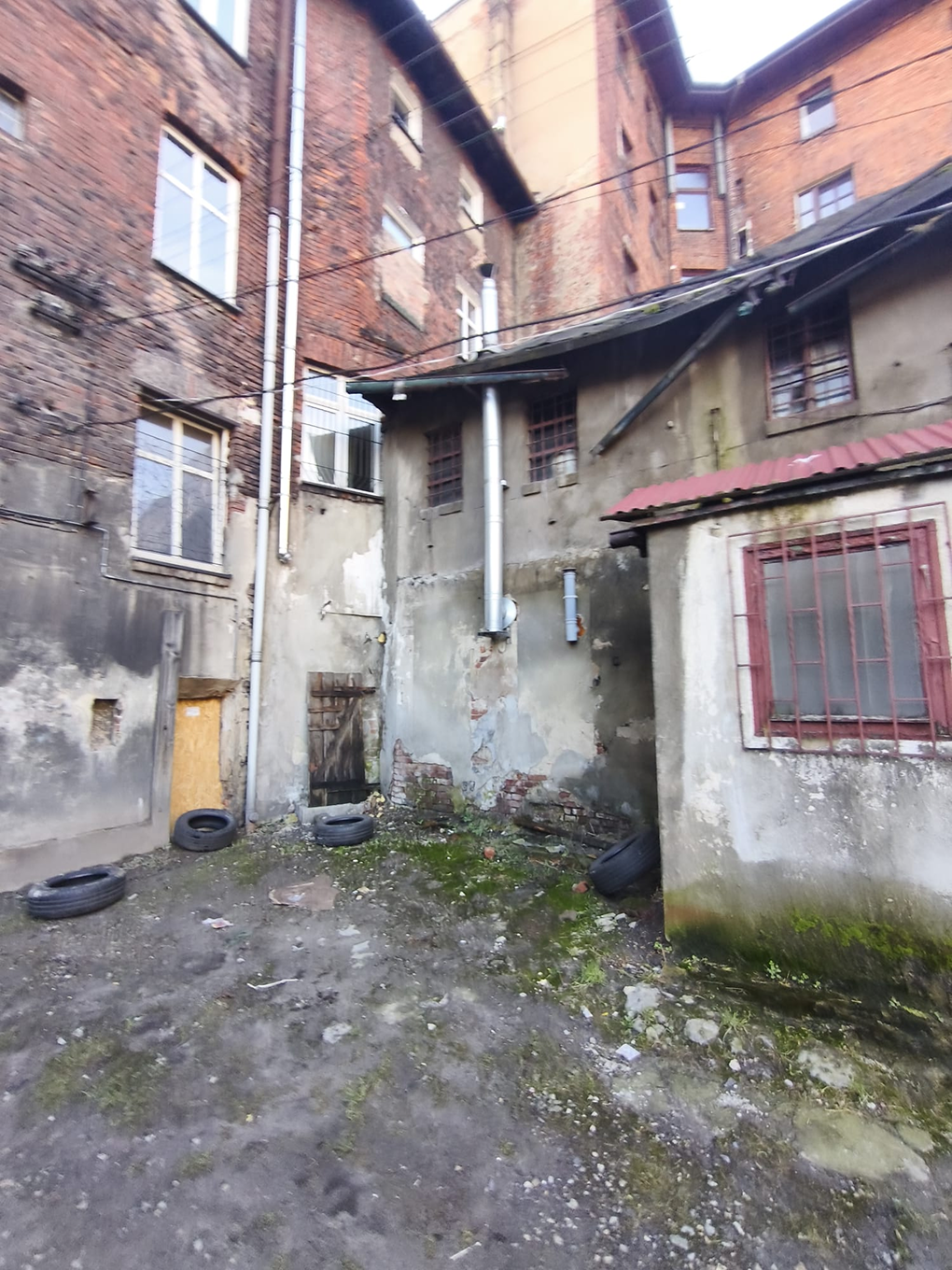
The demolition of a utility building in Bytom involved the removal of an old brick structure located in the courtyard of the apartment buildings. The work required a cautious approach, as the structure was located close to existing buildings, walkways, entrances, and areas used by residents.
This type of demolition differs from work carried out on an open lot. In dense urban areas, precision, control over each stage of the process, and proper protection of the surrounding area are essential. Particular attention must be paid to adjacent walls, utilities, surfaces, and access points to buildings.
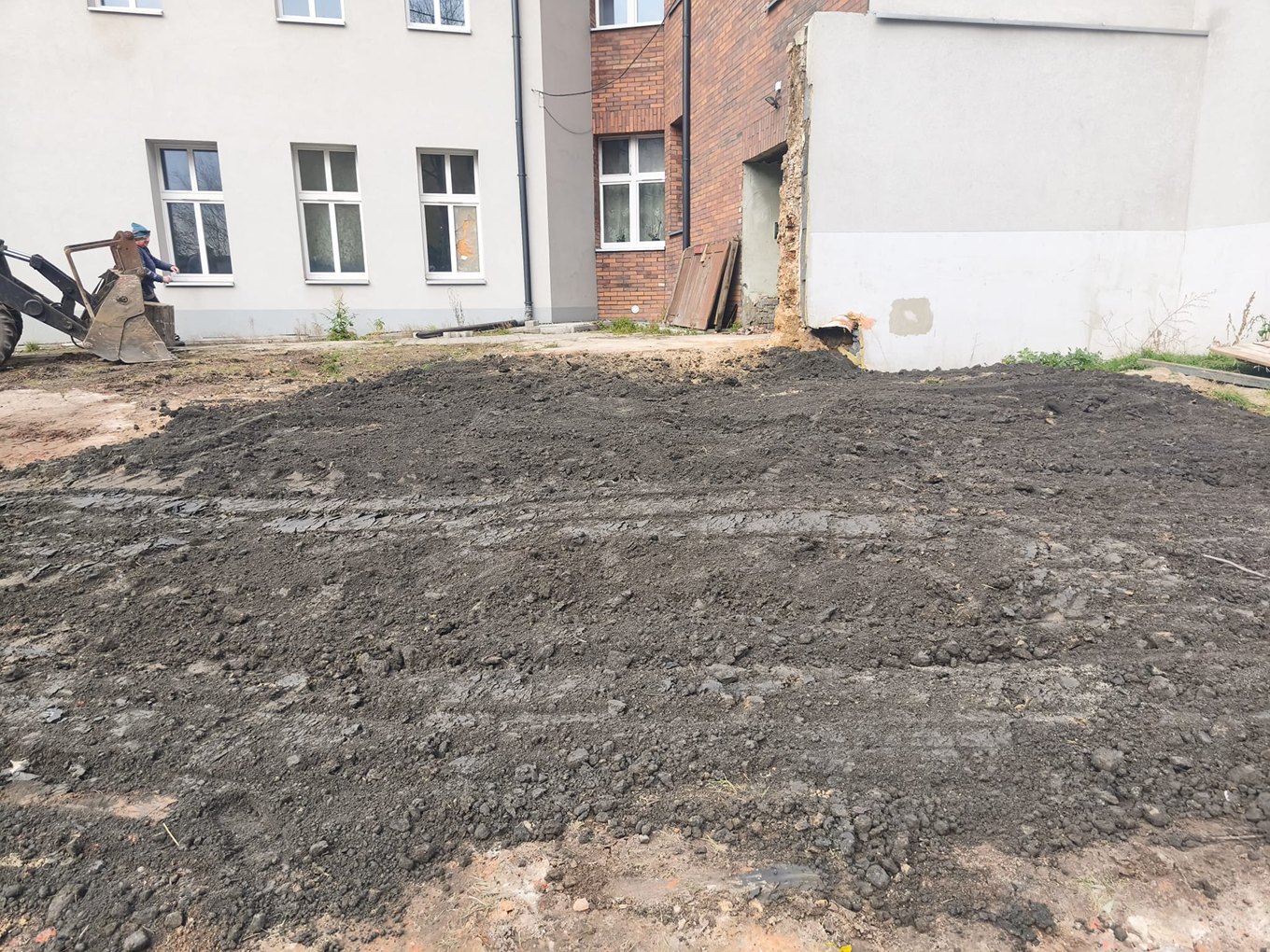
As part of the project, the damaged sections of the brick structure were removed, the site was cleaned up after demolition, and the courtyard was prepared for future use. As a result, the area where the old structure once stood was cleared of hazardous materials and loose debris.
An old brick building in the courtyard of the tenement houses
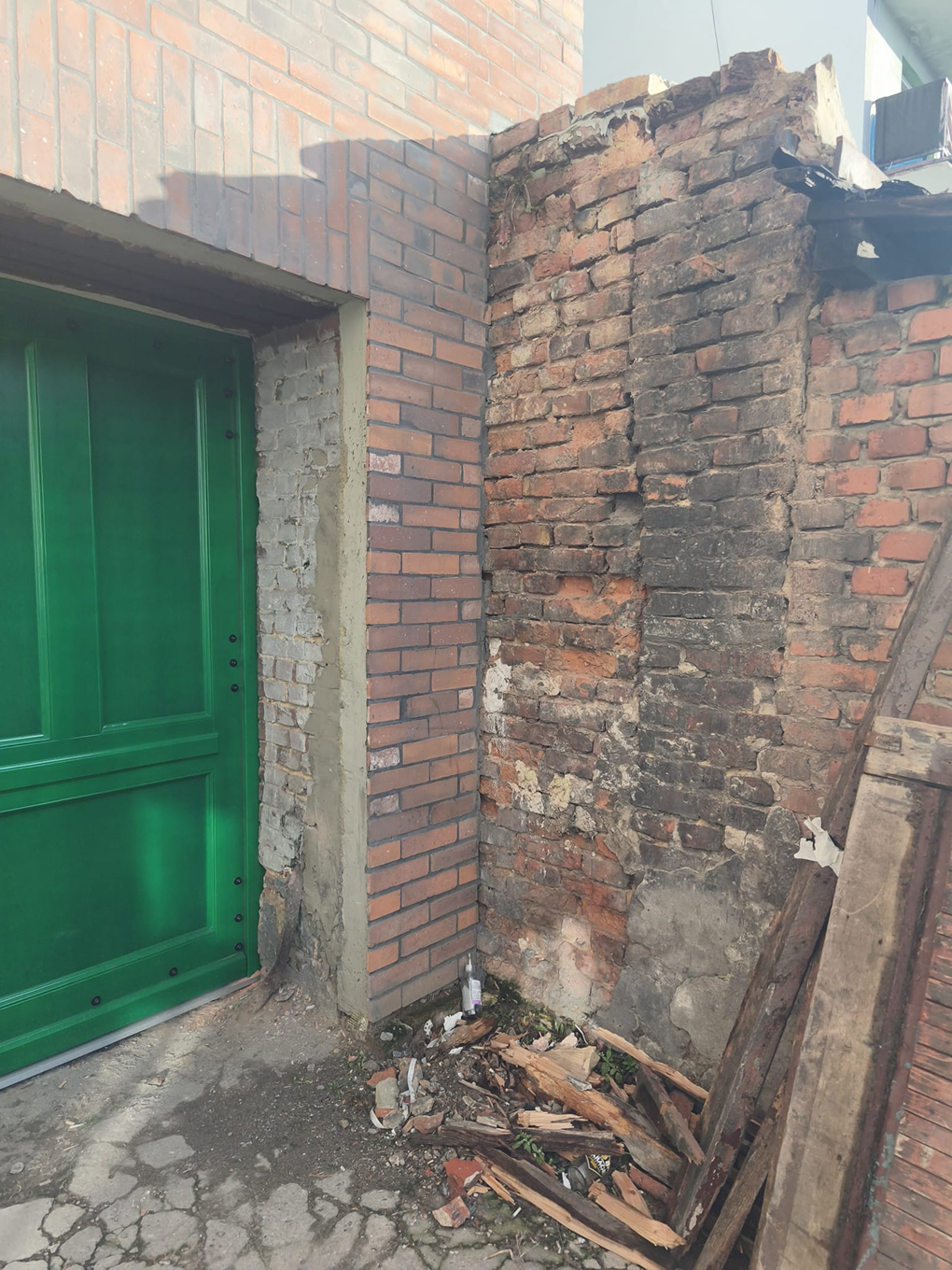
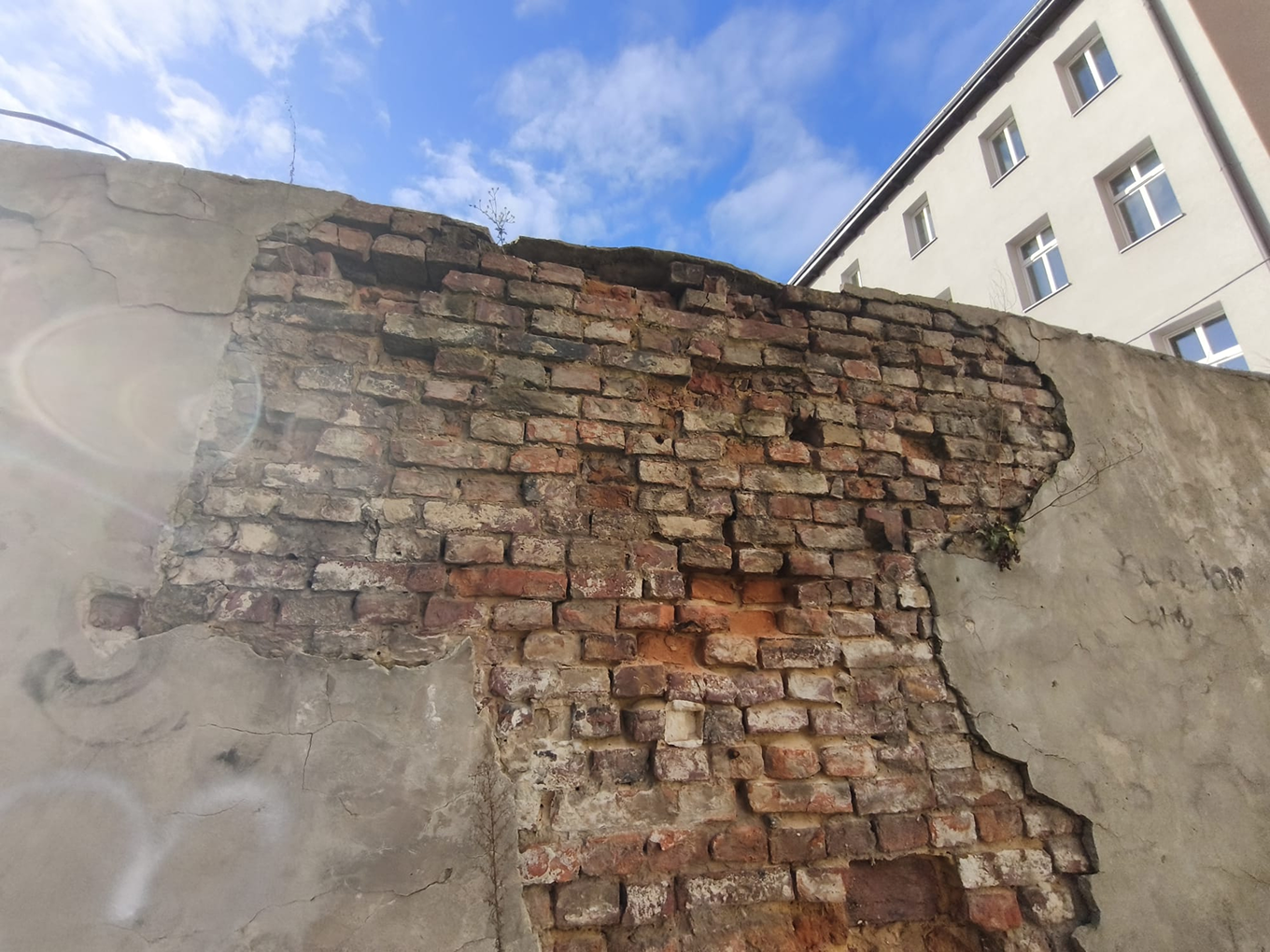
The building, which was slated for demolition, was constructed mainly of brick. Parts of the walls were exposed, cracked in places, and weathered over time. In such structures, it is common to find old plaster, weakened mortar, gaps in the brickwork, remnants of wood, and structural fragments that must be removed gradually.
Before beginning work, assess the condition of the walls and determine which sections can be demolished by hand and which require the use of equipment. With old brick walls, you cannot proceed haphazardly, as a large section of the wall could break away unexpectedly.
Therefore, the demolition of the brick courtyard structures should be carried out in stages. First, the most damaged and loose elements are removed, and then work proceeds to the next sections of the walls and the remaining parts of the structure.
Construction Projects in Dense Urban Areas
Demolition in an urban area requires good organization. There are apartment buildings, windows, gates, walkways, utilities, and road surfaces nearby that must be protected from damage. For this reason, it is important to establish a safe work zone and restrict access by unauthorized persons.
In projects like these, organization is also very important. Rubble, bricks, wood, and debris from the building should not block walkways or hinder the use of the yard. Therefore, materials must be removed as work progresses and stored in areas that do not interfere with further work.
Proper site preparation helps minimize risks and streamlines the entire process. This ensures that work can proceed safely even in difficult, confined spaces.
Demolition of damaged brick walls
The most important stage of the project was the demolition of the damaged brick walls. The old walls were in varying states of preservation, so they required an individualized approach. The more severely damaged sections had to be removed carefully to prevent the remaining parts of the structure from accidentally collapsing.
Solid brick is a durable material, but in old buildings, the mortar and the joints between the bricks are often the problem. Walls may have cracks, missing sections, and areas weakened by moisture. That is why the order in which demolition is carried out is very important.
Carrying out the work in stages allows for better control over the structure. At the same time, it makes it easier to separate the bricks, rubble, and other materials that are generated during demolition.
Protection of the walls of adjacent buildings
When demolishing a structure adjacent to existing buildings, care must be taken with the adjoining walls. In Bytom, it was particularly important to exercise caution at the points where the old structures met the buildings remaining on the site.
After removing part of the structure, sections of masonry, plaster, foundations, or earlier structural connections may be exposed. These areas must be assessed and stabilized to ensure that no loose elements remain and that the condition of adjacent structures is not compromised.
This type of project requires precision. Demolition isn’t just about removing the old building; it’s also about leaving the surrounding area in a safe and orderly condition.
Removal of debris and remnants from the site
Demolition produces various materials: bricks, rubble, old plaster, pieces of wood, metal parts, and mixed waste. In the courtyards of tenement buildings, it is particularly important to keep these materials organized on an ongoing basis, since the workspace is limited.
After dismantling, the materials must be sorted and prepared for further processing. Bricks and rubble require different handling than wood or mixed waste. Sorting makes it easier to keep the site tidy and finish the work more quickly.
Removing debris left behind by the structure improves the safety of the yard. Loose bricks, sharp fragments, and uneven surfaces could make it difficult to use the space, which is why final cleanup is a very important stage of the project.
Land Grading After Demolition
Once the demolition was complete, the site needed to be cleaned up and leveled. The site of the old structures was left with uneven ground, pieces of debris, and exposed soil. Such an area must be cleared so that the yard can be used safely or prepared for further work.
Leveling the ground removes the most visible traces of the demolished structure. This makes the space clearer, safer, and easier to develop further.
This stage is particularly important in urban development. A cleared site improves the functionality of the space and reduces the risks associated with debris from the old structure.
Demolition of small structures in backyards
The demolition of a farm building in Bytom is an example of work carried out on a small but challenging structure. Old backyard structures are often located near apartment buildings, gates, utilities, and walkways, which is why they require greater precision than standard demolition in open areas.