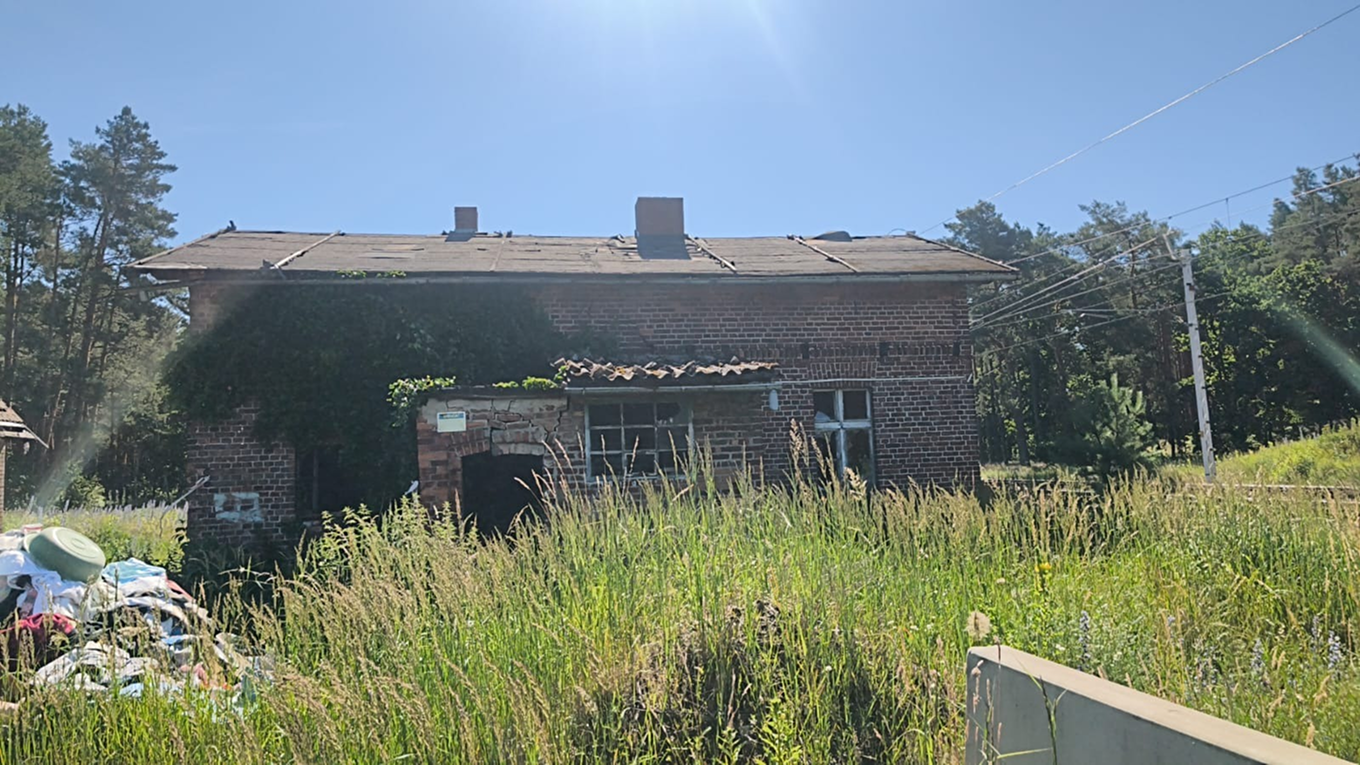
Demolition of a residential building with outbuildings in Reptowo
The demolition of a residential building with outbuildings in Reptowo is a project involving the dismantling of a structure located in an environment that requires careful work planning. Tasks of this type require experience, appropriate equipment, and special attention to safety at the job site.
Work on residential and outbuildings must be carried out in stages. First, the site must be prepared, access for equipment must be planned, and the demolition site must be secured. Next, you can proceed with the actual dismantling of the structure, sorting materials, loading waste, and cleaning up the site once the work is complete.
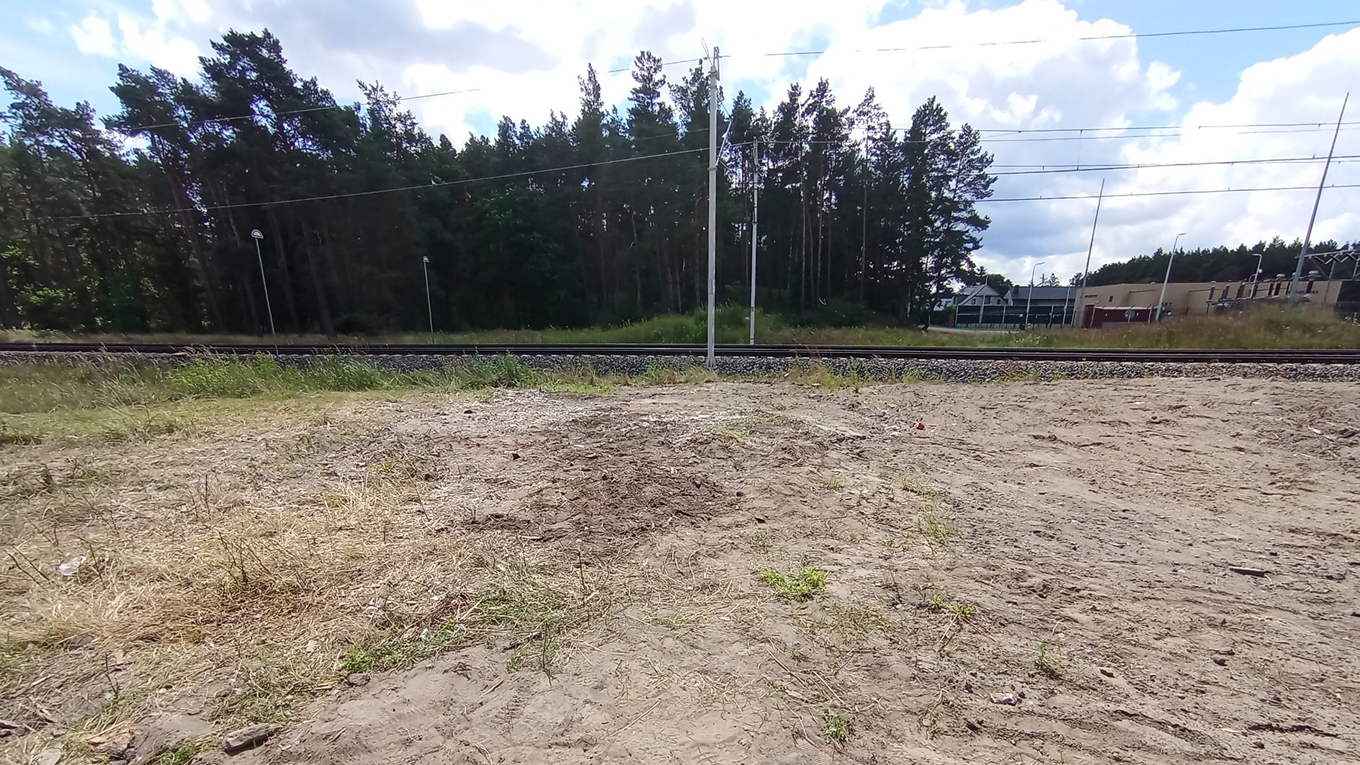
In Reptowo, the project’s surroundings were also of great importance. Demolishing a building near railroad tracks requires greater caution than standard work on a private lot. Therefore, each stage must be planned to minimize risk, maintain order, and avoid causing disruptions in the neighborhood.
Demolition of a Building in a Challenging Environment
Not every demolition project is the same. In the case of structures located near railroad tracks, it’s not just the building’s structure that matters, but also its location. Factors such as access, the worksite for heavy equipment, neighboring properties, existing green spaces, and nearby infrastructure must all be taken into account.
Therefore, the demolition of the building in Reptowo required a systematic approach. First, the site had to be prepared and the work area secured. Then, the work could proceed to the next stages of dismantling. This approach allows for better control over the demolition process and more efficient management of the materials generated during the work.
Organization is also key in projects of this type. Rubble, wood, metal, and other demolition materials must be sorted and prepared for further use. This ensures that the demolition site remains safe and that work can proceed more efficiently.
Demolition of a residential building and outbuildings
Demolishing a residential building with outbuildings requires a different approach than dismantling a single, lightweight structure. Such buildings contain various structural elements and materials. They may include masonry walls, wooden sections, roofing materials, metal components, remnants of utility systems, and debris.
Therefore, before beginning the actual work, it is important to carefully plan the sequence of demolition. First, remove any elements that might hinder further demolition. Then, dismantle the remaining parts of the building and prepare the materials for removal. This helps minimize chaos on the job site and improve safety.
In Reptowo, the demolition work was intended to result in the complete removal of the structure and the preparation of the site upon completion of the work. That is precisely why not only the dismantling but also the removal of debris, the cleanup of the site, and the leveling of the ground were so important.
Post-Demolition Waste Management
Various types of waste are generated during the demolition of a building. Some materials can be sent for further use, while others require proper disposal. Therefore, professional demolition involves not only the operation of equipment but also the proper management of materials resulting from the demolition.
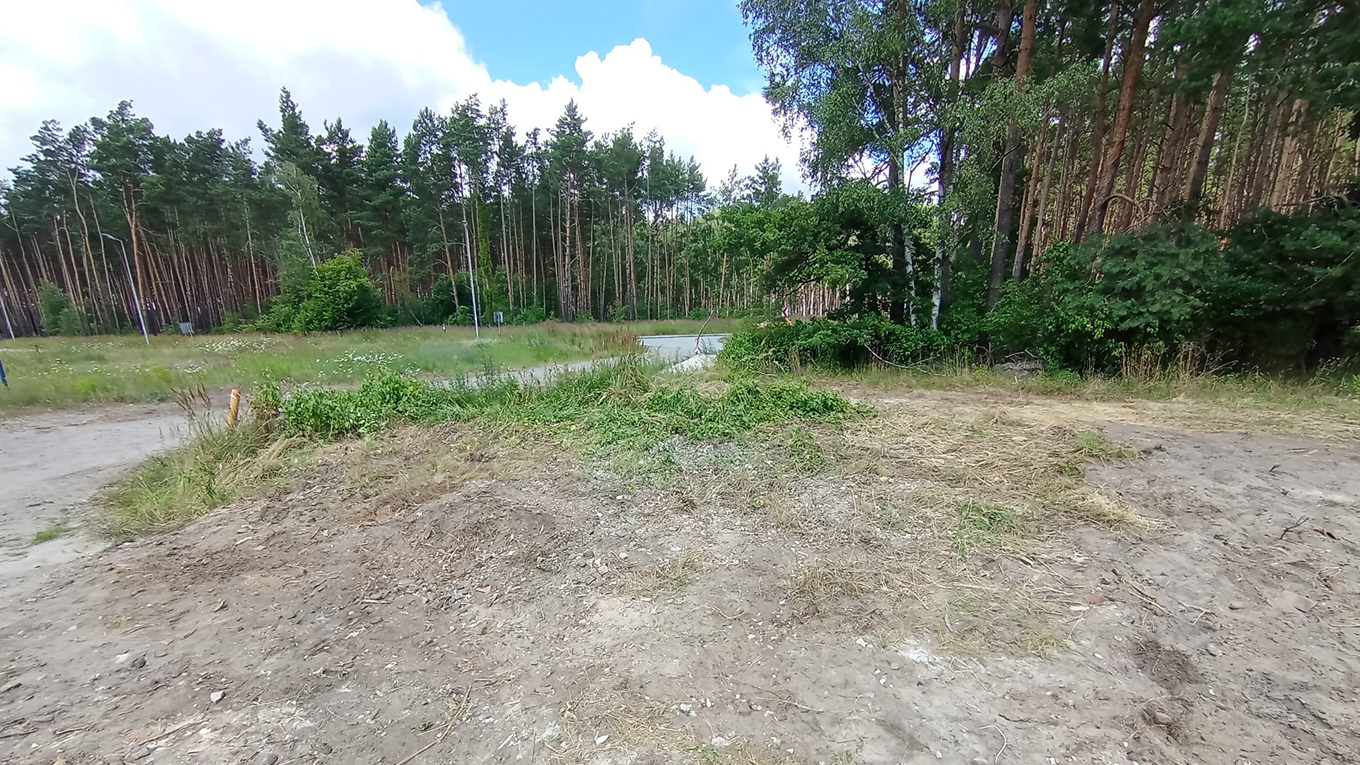
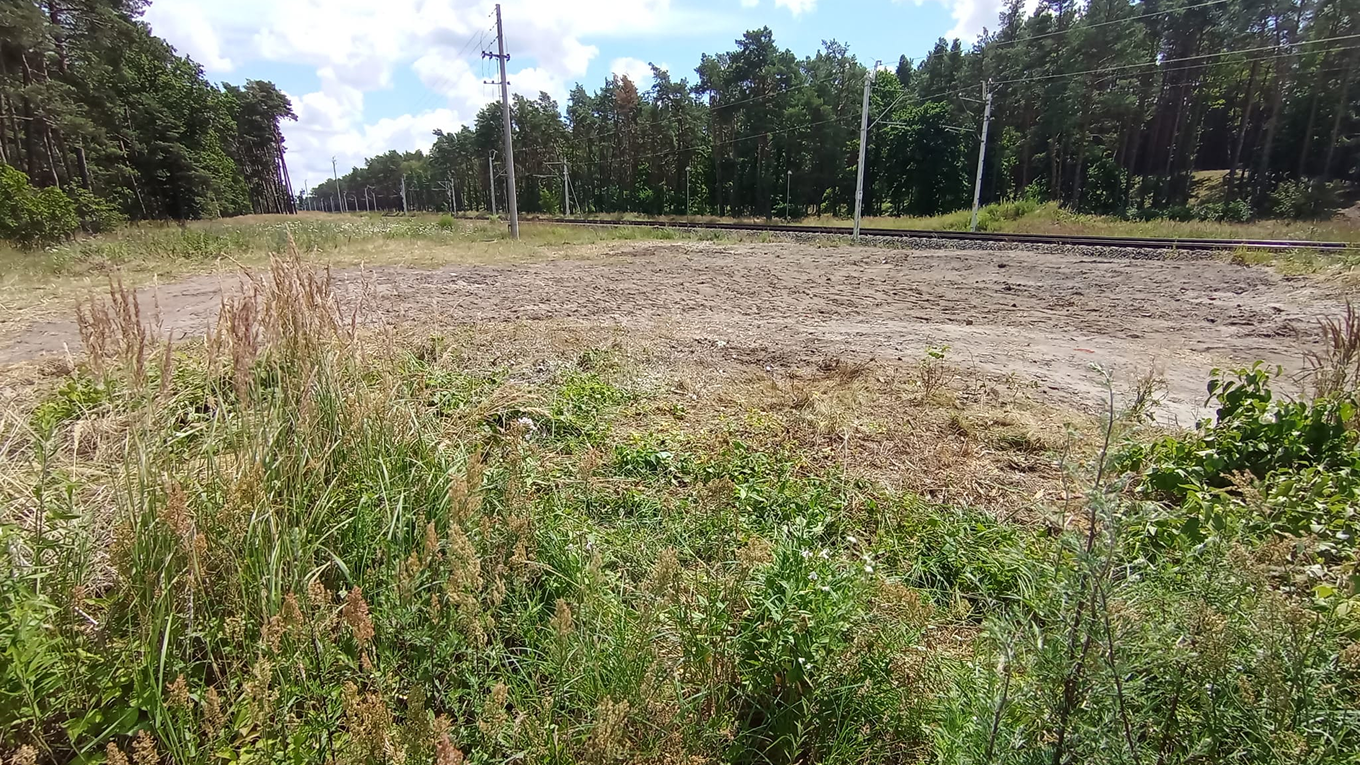
For this project, it was important to remove the demolition debris and clean up the site. As a result, once the work was completed, the site was not left covered in rubble or building debris. This outcome is crucial for the future use of the property.
Effective waste management also contributes to safety. It reduces the risk of sharp objects, loose debris, mixed waste, and other materials remaining on site that could hinder further work.
Protection of Green Spaces and the Surrounding Area
When carrying out demolition work in a green setting, attention must be paid not only to the building itself. Trees, shrubs, adjacent properties, and access roads are also important. Therefore, before work begins, it is necessary to assess which elements of the surrounding area require protection.
In Reptowo, the work required careful planning to minimize the impact of demolition on the immediate surroundings. Proper site protection helps safeguard existing greenery, access roads, and neighboring properties. It also facilitates the operation of heavy equipment and helps maintain order on the job site.
This approach is particularly important for demolition projects carried out in areas where the site is to be cleaned up and prepared for future development.
Cleaning Up the Site After Demolition
Demolishing a building involves more than just removing the walls and roof. The final stage of the work is extremely important, as it determines the condition in which the site will be handed over. Once the demolition is complete, the remaining debris must be removed, the waste hauled away, the site cleaned up, and the surface leveled.
In the case of the project in Reptowo, site preparation was an important part of the overall project. This allows the site where the building once stood to be prepared for the investor’s future decisions. A clean and leveled site facilitates subsequent work, improves safety, and allows for better use of the space left after the building’s demolition.
A professional demolition company should take this stage just as seriously as the demolition itself. It is the final result that best shows whether the work was done carefully.