Demolition of a multi-family residential building in Grodzisk Mazowiecki
The demolition of multi-family housing in Grodzisk Mazowiecki is a project involving the removal of several old structures from a single site. The work involved residential buildings and a utility building, so it required good organization, appropriate equipment, and careful planning of the subsequent stages.
In projects like these, it’s not just the demolition of the walls that’s important. It is also crucial to secure the surrounding area, protect trees, remove roofing materials, dismantle exterior elements, demolish foundations, and clean up the site afterward. This ensures that the site can be prepared for future use once the work is complete.
The work in Grodzisk Mazowiecki demonstrates what a comprehensive demolition of old residential and farm buildings looks like. First, the site must be prepared; then, the structures must be dismantled; and finally, the area where the buildings once stood must be cleared and leveled.
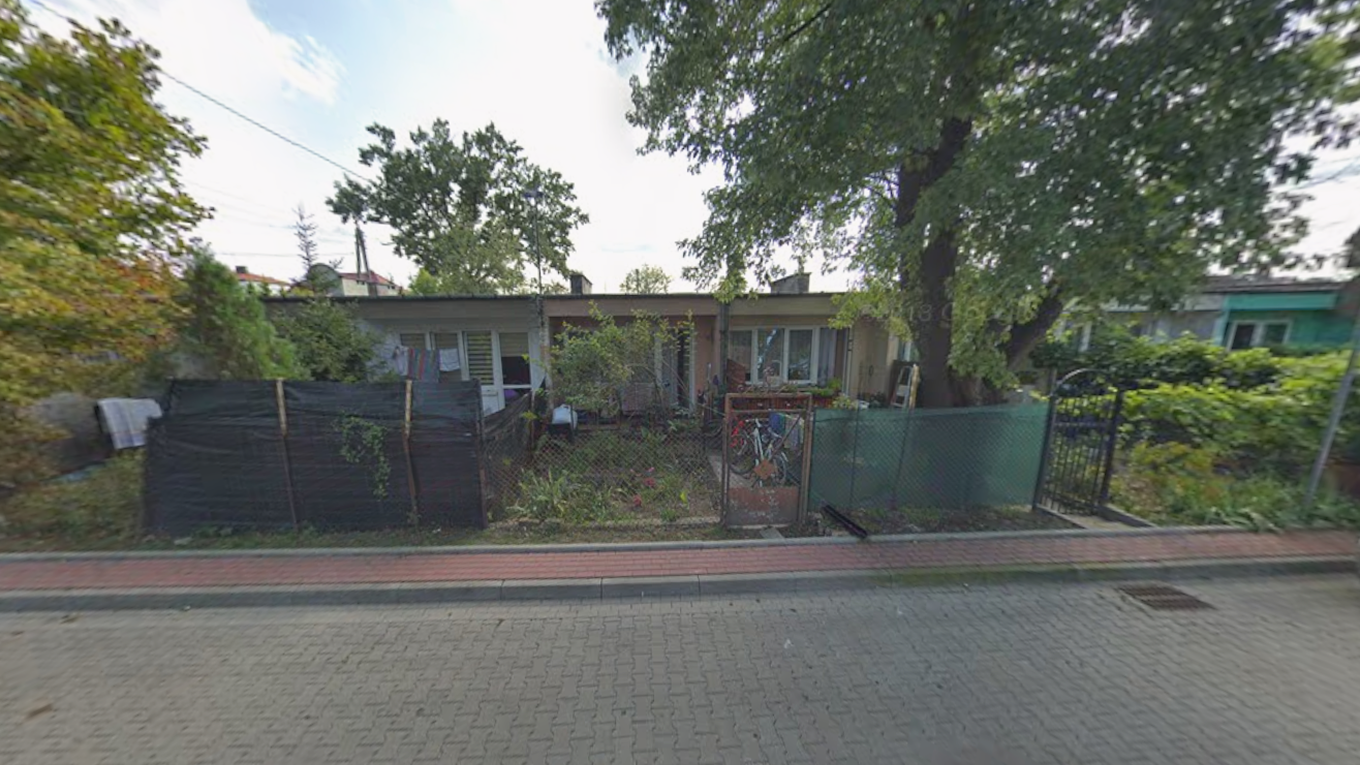
Old residential buildings before demolition
The project site contained buildings with traditional masonry construction. Such structures often have worn-out roofing elements, weakened sections of walls, outdated systems, damaged entrances, stairs, and fences, as well as signs of wear and tear from many years of use.
Before demolition begins, the condition of the structure must be thoroughly assessed. This is important for the safety of workers, machinery, and the surrounding area. Older buildings may behave unpredictably during demolition, so the work should be carried out in stages.
Another important aspect of this project was clearing the site of debris left near the buildings. Only after this preparatory work is complete can the actual demolition of the structures begin.
Site Preparation and Securing the Surrounding Area
Good organization of the job site has a huge impact on the entire demolition process. First, you need to designate the work zone, prepare access routes, mark off the area, and restrict access by unauthorized persons. Next, nearby structures such as trees, adjacent buildings, fences, streetlights, utility poles, and wiring must be protected.
In Grodzisk Mazowiecki, it was also important to ensure safe access on foot and by vehicle to the work site. When carrying out demolition work in the vicinity of existing buildings, special care must be taken to ensure the comfort and safety of people using the surrounding area.
Proper site preparation helps minimize the risk of damage. It also facilitates the operation of equipment, the transport of demolition debris, and maintaining order throughout the entire project.
Removal of External Components
Before demolishing the main structure, the exterior elements of the buildings must be removed. This includes, among other things, fences, small structures, walkways, sidewalks, stairs, entrances, balconies, windows, doors, and remnants of the site’s previous use.
This stage allows you to organize the site and prepare the structures for proper dismantling. As a result, subsequent work can proceed without unnecessary obstacles. Importantly, removing exterior components separately also makes it easier to sort the materials.
In the case of older residential buildings, such work is very important because there are often paved areas, walkways, sections of fences, and remnants of fixtures around the buildings. Removing them allows for better control over the subsequent demolition.
Demolition of Roofs and Roofing Materials
The next step was to remove the roofs and roofing materials. The residential buildings had tar paper roofing, while the outbuilding required special care due to the presence of asbestos-containing materials.
Asbestos removal must be carried out safely. The material must be carefully dismantled, secured, tightly packed, and transported to an appropriate disposal site. Therefore, this stage requires trained personnel, experience, and compliance with health and environmental regulations.
Only after the roofing material has been removed can work begin on demolishing the roof structure, chimneys, walls, and other parts of the building. This sequence helps minimize risks and maintain greater control over the progress of the work.
Removal of walls, ceilings, and floors
The demolition of masonry buildings requires the structural load to be reduced in stages. Walls, ceilings, floors, and flooring elements must be removed in a controlled manner to prevent the unexpected collapse of parts of the structure.
In this type of work, it is particularly important to follow a consistent sequence for dismantling. Entire walls should not be removed haphazardly if this could affect the stability of the remaining structure. Therefore, the work is carried out in stages and under the supervision of a qualified person.
For larger structural elements, appropriate equipment and workers with experience in demolition work are required. This ensures that the dismantling process runs more smoothly and the site remains safe.
Demolition of Foundations and Earthwork
After removing the above-ground structures, you must proceed to demolish the foundations. This is an important step, as any debris remaining below ground level may hinder the future use of the lot. Foundations, reinforced concrete fragments, and debris from the excavations must be removed, and the site must be properly prepared for backfilling.
In Grodzisk Mazowiecki, the work also included backfilling the excavations left after demolition. The soil must be laid in layers and compacted to ensure that the surface is stable once the work is complete. This prevents the lot from having sinkholes, loose debris, or uneven ground.
Earthwork carried out in this manner is essential for safety and the subsequent development of the site where the buildings once stood.
Material Sorting and Waste Management
The demolition of several structures generates a wide variety of materials. Rubble, wood, metal, roofing felt, plumbing fixtures, general construction waste, and hazardous materials must be properly sorted. This allows them to be sent for recycling, further processing, or disposal.
In this project, the separate handling of asbestos-cement was of particular importance. Materials containing asbestos cannot be treated as ordinary construction debris. They require proper containment, transportation, and disposal at an authorized storage facility.
Sorting materials as work progresses helps keep the construction site organized. It also reduces the risk of waste being mixed together and makes it easier to clean up the site at the end of the project.
Leveling and Clearing the Lot
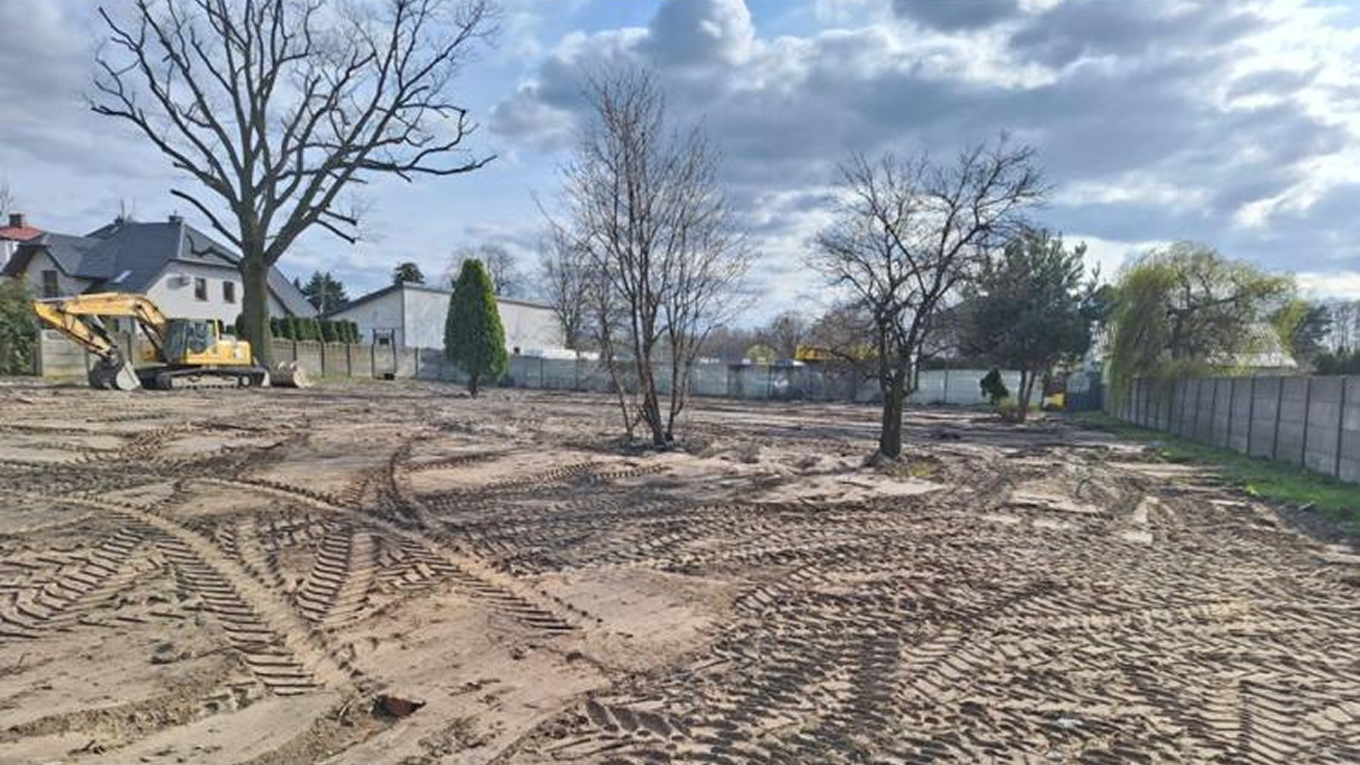
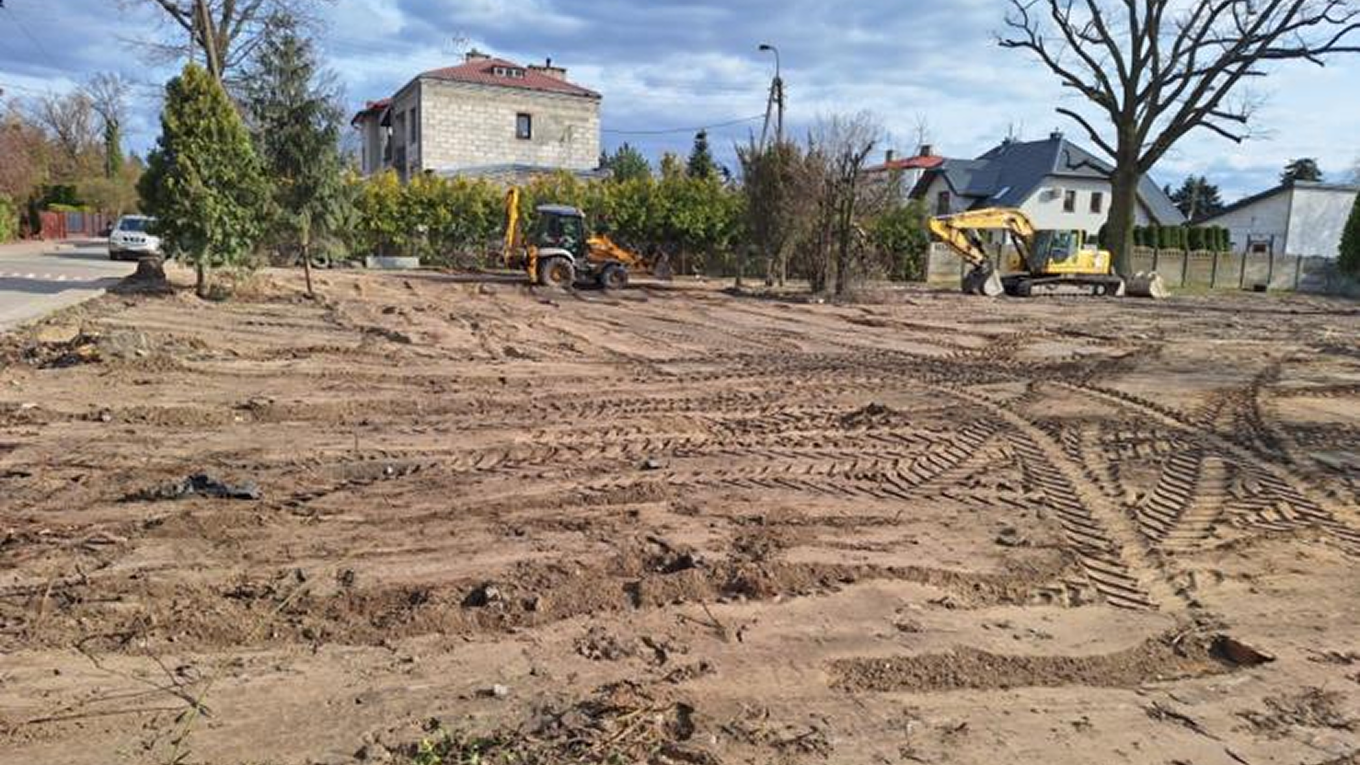
After demolition was completed, the site needed to be cleaned up. It was necessary to remove the remains of the buildings, haul away the debris, backfill the excavations, compact the soil, and grade the surface. Only after completing this scope of work can the lot be handed over in a condition ready for further development.
Leveling the site after demolition is very important. A level surface improves the safety, aesthetics, and functionality of the lot. Importantly, it also facilitates subsequent construction, cleanup, or design work.
That is precisely why the final cleanup of the site is just as important as the demolition of the buildings itself. It is this cleanup that shows whether the demolition was carried out thoroughly.
As-built documentation following demolition
Once the work is complete, as-built documentation is also required. This includes a certificate of completion, documents regarding the disposal of waste, and an as-built survey.
This stage allows the project to be formally completed. Thanks to the documentation, the post-demolition status is organized not only on the lot but also in the relevant cadastral records. This is particularly important when the site is to be redeveloped at a later date.
Complete documentation gives the investor confidence that the work has been performed and settled in accordance with the requirements.
Demolition of Larger Building Complexes
The demolition of a multi-family residential complex in Grodzisk Mazowiecki demonstrates that removing several structures from a single site requires experience and effective coordination. In such projects, it is necessary to combine demolition work, asbestos removal, environmental protection, earthwork, site grading, and final documentation.
We perform demolition work on residential buildings, multi-family buildings, farm buildings, brick structures, technical facilities, and utility buildings. We handle site preparation, building dismantling, material sorting, asbestos removal, earthwork, site grading, and the preparation of as-built documentation.
If you are planning to demolish several buildings, remove old residential structures, or prepare a lot after demolition, please contact us. We will tailor the approach to the type of structures, location, and site conditions.