Demolition of a multi-family building in Rawa Mazowiecka
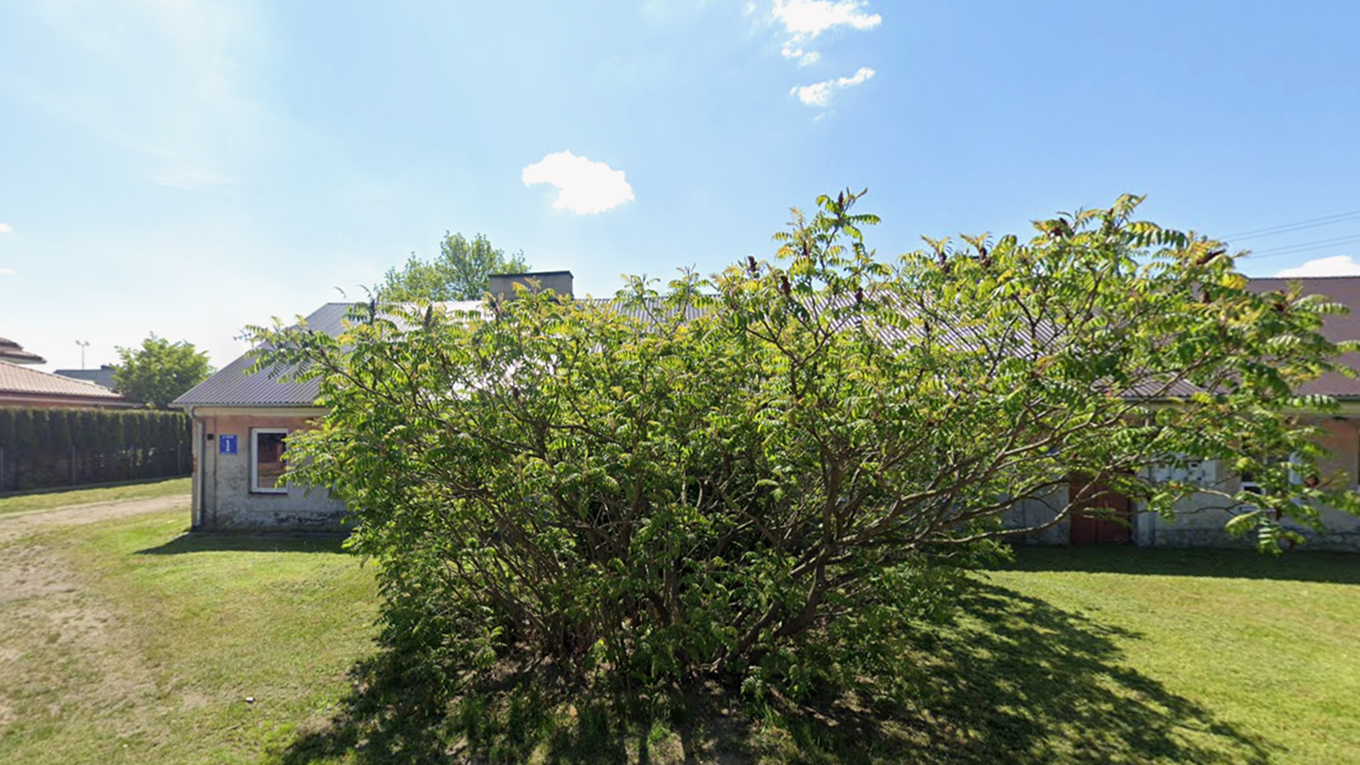
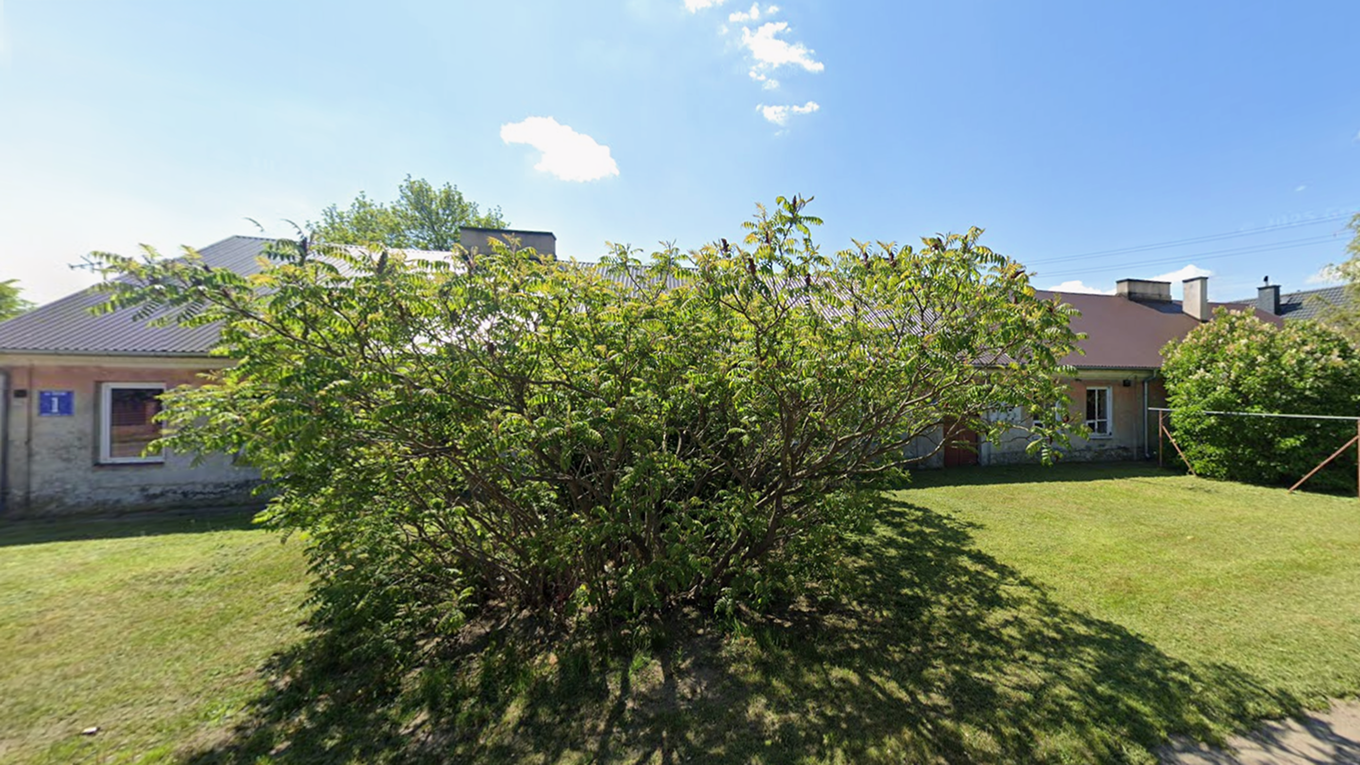
The demolition of a multi-family building in Rawa Mazowiecka is a project involving the dismantling of several structures located on a single construction site. The scope of work included a residential building, outbuildings, and a smaller sanitary facility. This type of demolition requires good organization, as a wide variety of materials, structural elements, and waste accumulate at the job site.
In a project like this, it’s not just the demolition of the buildings that matters. Site preparation, securing the work zone, disconnecting utilities, dismantling systems, removing fixtures and equipment, demolishing structures, and the final cleanup of the site are all very important. This ensures that the site can be prepared for further development once the work is complete.
The demolition work in Rawa Mazowiecka demonstrates what a comprehensive approach to removing old structures looks like. First, safety and organization must be ensured; then the structures must be dismantled; and finally, the site must be cleaned up, waste removed, and the surface leveled after demolition.
Preparing the Site for Demolition
Every professional building demolition project begins with preparing the job site. First, the area must be secured to prevent access by unauthorized persons. Next, work zones for machinery, storage areas for materials, and areas where demolition waste will be collected must be designated.
When demolishing a multi-family building, the organization of technical support facilities is also of particular importance. The site must accommodate machinery, workers, vehicles, and the equipment needed for demolition. Therefore, it is essential to ensure safe access, order, and proper signage for the work area from the very beginning.
In Rawa Mazowiecka, the work required careful planning to ensure that the dismantling of several structures could proceed smoothly. As a result, the subsequent stages of demolition could proceed in a logical order, without chaos on the job site.
Disconnecting utilities and dismantling the system
Before beginning the actual demolition of the buildings, it is necessary to disconnect the utilities and remove the systems. This applies, among other things, to electrical, water, and sewer systems, as well as other technical components that could hinder the work.
This stage is critical for safety. Demolition work cannot begin without first verifying that the systems do not pose a hazard to workers, equipment, or the surrounding area. Only after these preparations have been completed can work proceed to the next phase.
In the case of old buildings, it is often necessary to remove fixtures, remnants of equipment, and items located inside the building. This makes the demolition process more efficient and allows for easier waste sorting.
Dismantling of building equipment and components
Demolishing a multi-family building involves more than just removing the walls and roof. First, the building must be cleared of movable furnishings, debris left over from use, and elements that are not part of the structure. Next, you can proceed to dismantle windows, doors, window sills, stairs, floors, and other finishing elements.
This approach streamlines the entire process. Instead of mixing all materials into a single waste stream, you can separate wood, metal, construction debris, municipal waste, and materials requiring special handling. This is important for both safety and proper waste management.
In this project, the dismantling also included exterior elements, such as sections of fences and parts of outbuildings. This made it possible to prepare the site for the complete demolition of the structures.
Demolition of roofs and structural elements
Once the buildings have been cleared of occupants and fixtures have been removed, work can proceed to the dismantling of the roofs and load-bearing structures. In the case of older buildings, this stage requires special care. The structure may be weakened, and the roofing may consist of various materials that must be removed properly.
A key part of this project was the removal of roofing materials, including those requiring special procedures. This applies in particular to asbestos-cement panels, commonly known as “eternit.” Such materials must be removed carefully, in accordance with safety regulations, and sent for proper disposal.
Only after the roof has been removed can work begin on demolishing the walls, ceilings, foundations, and other parts of the buildings. This phased approach reduces risks and allows for better control over the demolition process.
Demolition of a farm building and a sanitary facility
In addition to the residential building, the work also included the demolition of outbuildings and a smaller sanitary facility. Such structures often have a different construction than the main building. They may include masonry elements, lightweight partitions, roofing, foundations, floors, and remnants of utility systems.
That is why each structure must be treated on a case-by-case basis. First, its condition must be assessed; then, the method of dismantling must be selected and the removal of materials planned. This ensures that the demolition of the entire site proceeds more efficiently.
In such projects, it is also very important to clear out and secure areas that may have contained debris or waste requiring separate handling. This helps reduce the risk of site contamination and makes it easier to clean up the site later.
Construction of a fence to secure the project site
Another important aspect of this project was the installation of a fence to secure the construction site. During demolition work carried out in urban areas, such a fence improves safety, restricts access by unauthorized persons, and clearly separates the work site from its surroundings.
Some of the materials recovered from demolition can be used to build the fence, provided they are in good enough condition. This allows certain elements from the demolition to be put to practical use even while the project is still underway.
A sturdy fence is especially important when the site needs to remain secured after demolition until the next phase of work begins. It protects the site, keeps the area organized, and helps maintain control over the construction site.
Demolition of walls, foundations, and basements
Once the roof and fixtures have been removed, it’s time to demolish the walls, foundations, and basement. This is one of the most important stages of the project. It requires the use of the right equipment and careful management of the work sequence.
The demolition of load-bearing and partition walls should be carried out in such a way as to prevent uncontrolled collapse of the structure. Next, the foundation elements and any remaining debris below ground level are removed. For buildings with basements, special care must be taken to ensure that the soil is properly backfilled and compacted.
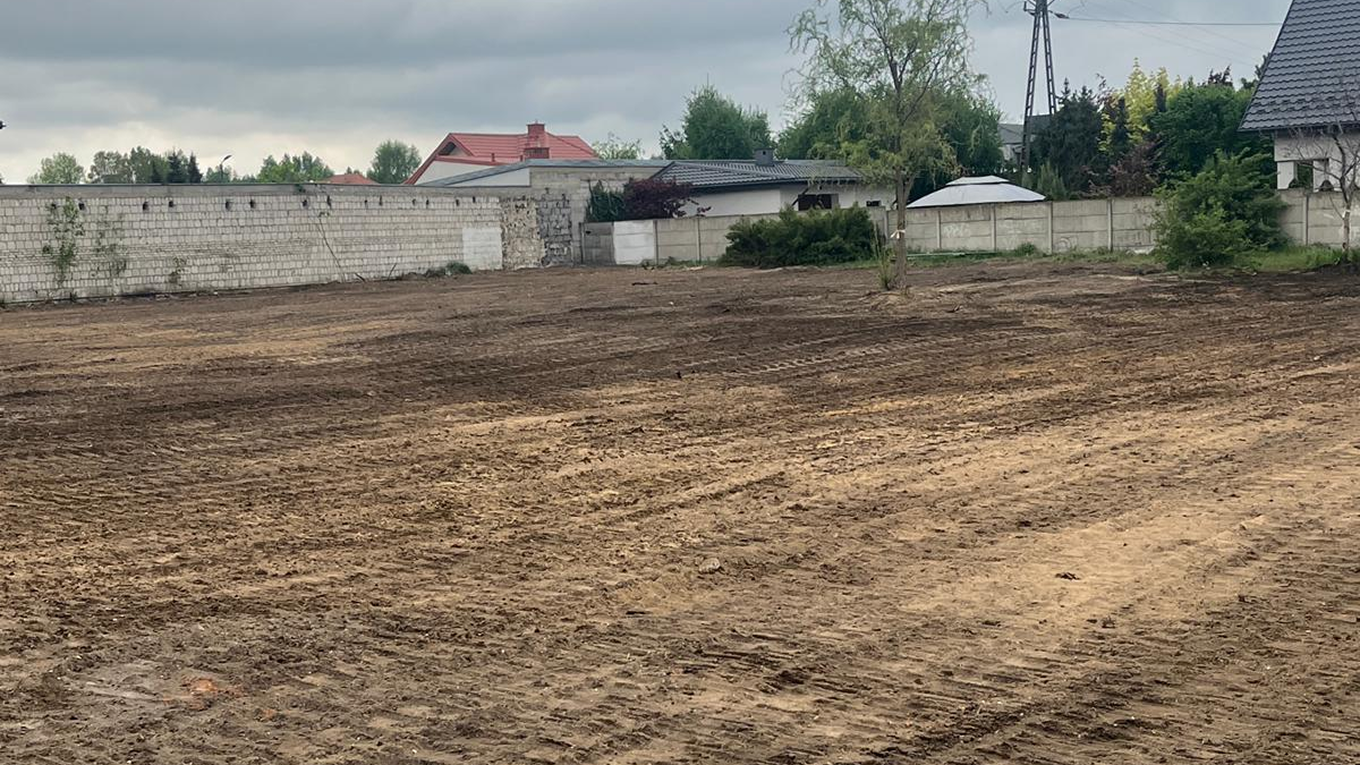
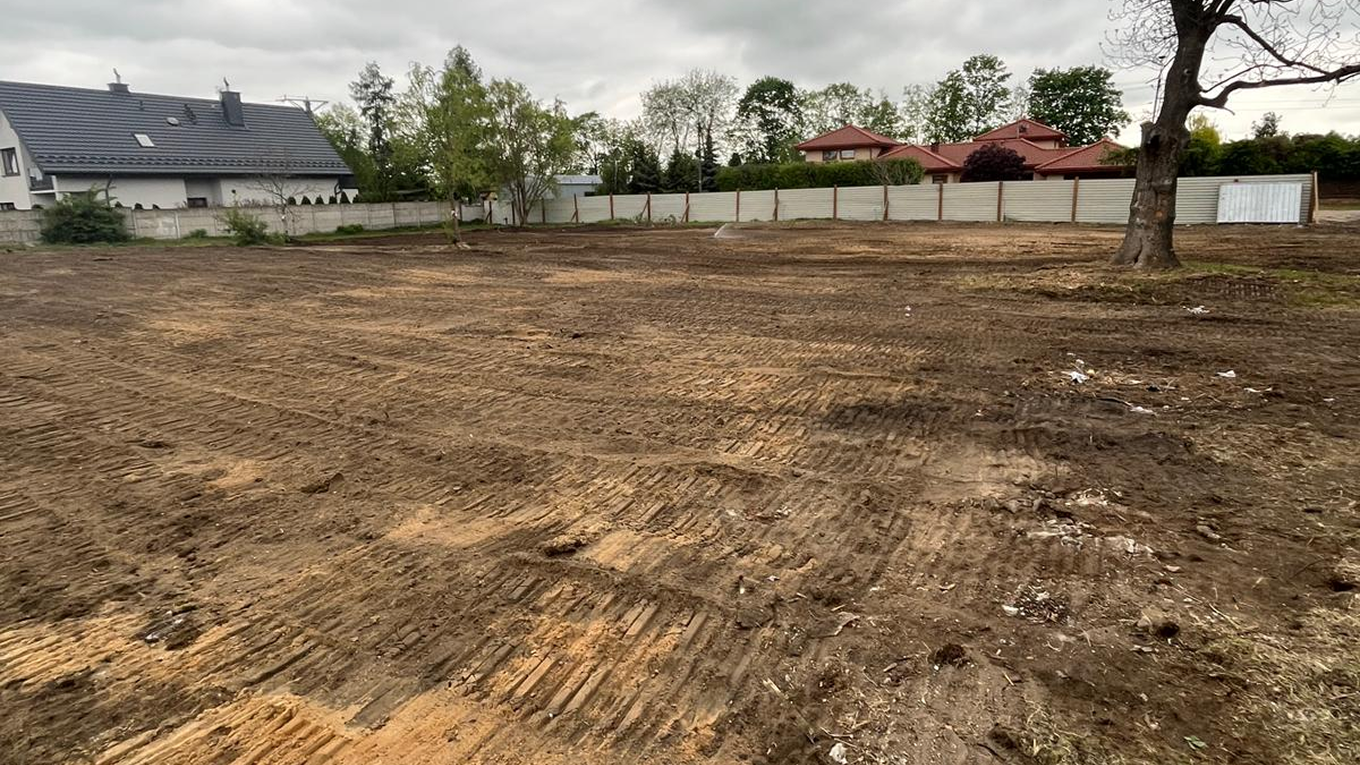
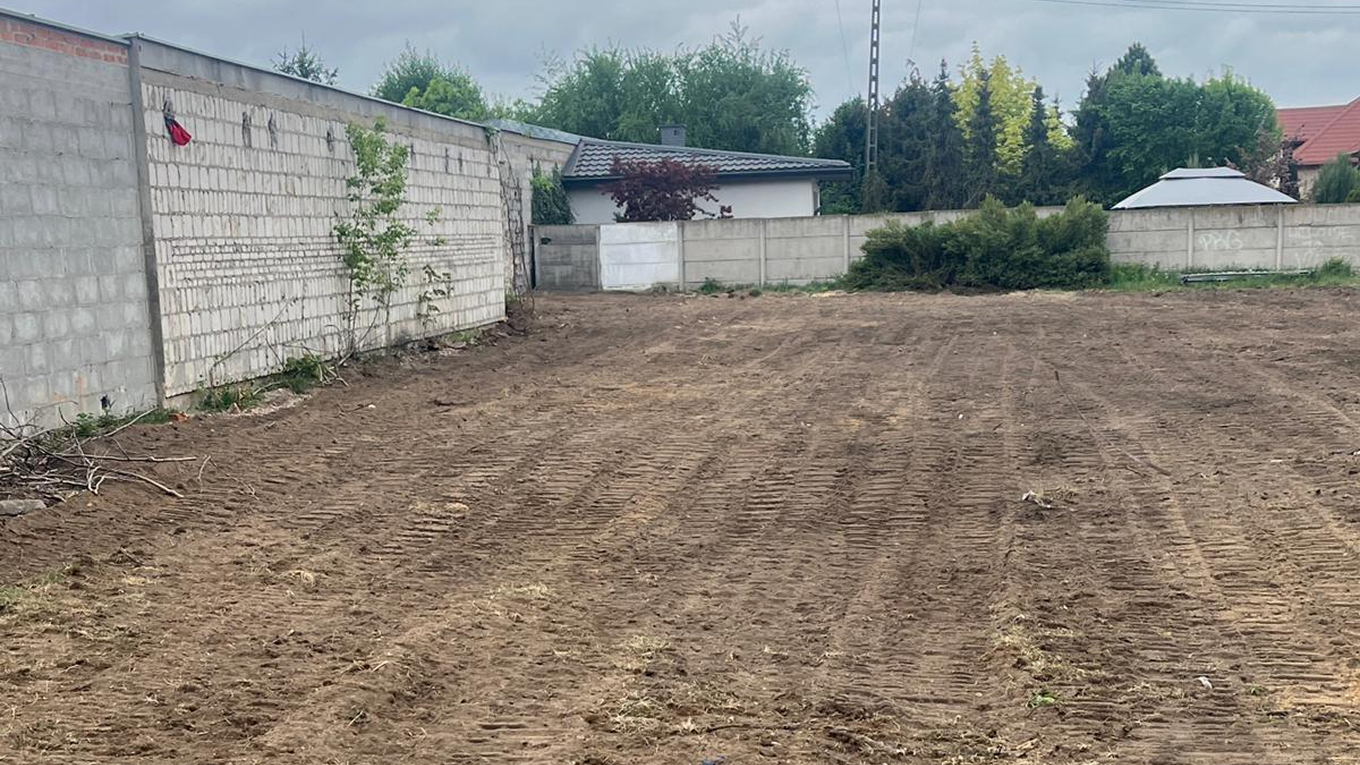
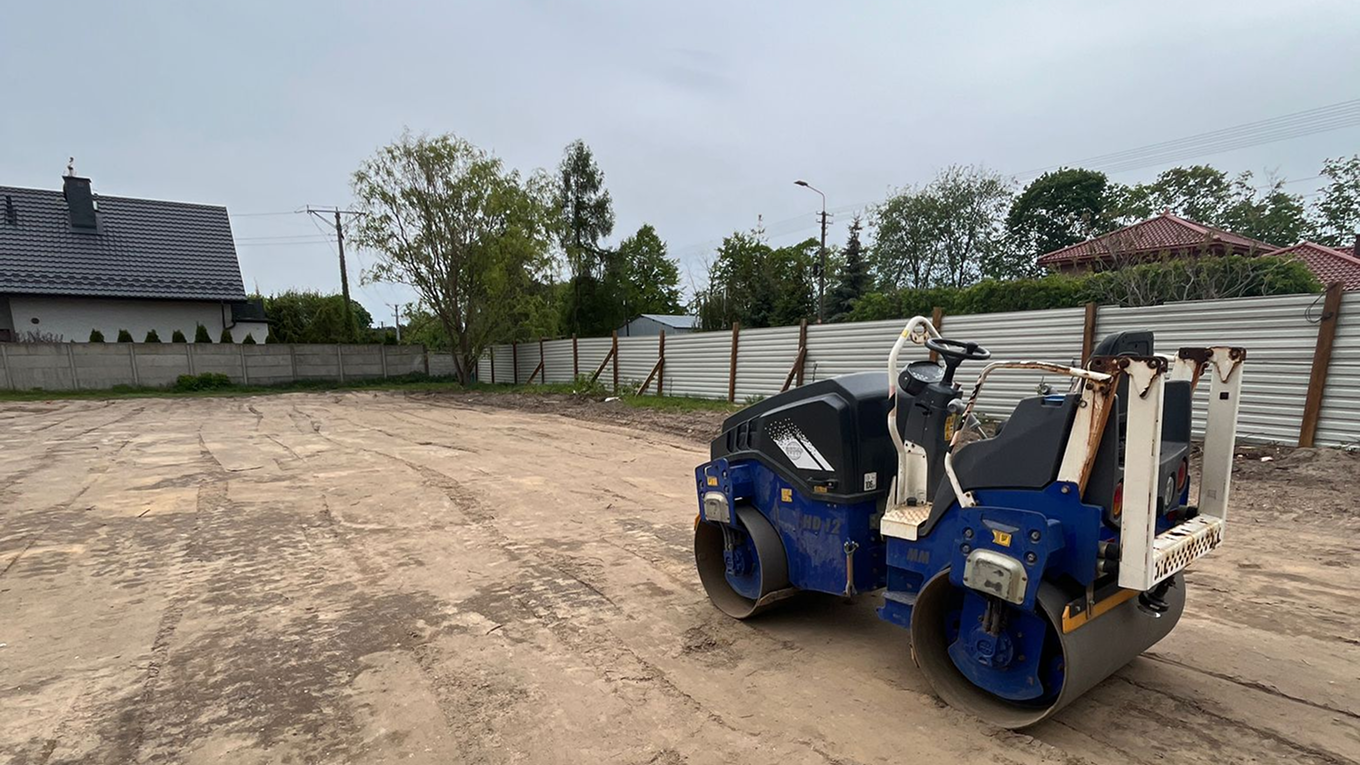
In Rawa Mazowiecka, the work also included preparing the site where the foundations and basement had been located. After clearing the area where the buildings once stood, the site must be backfilled with suitable soil, compacted, and leveled to match the surrounding ground.
Waste Sorting and Removal After Demolition
The demolition of several structures generates many types of waste. This includes rubble, wood, metal, roofing felt, plumbing and electrical components, municipal waste, insulation materials, and waste requiring special handling. That is why sorting waste as it is generated is extremely important.
Proper waste sorting facilitates the removal of materials and reduces clutter at the job site. Importantly, it also ensures that individual waste streams are delivered to the appropriate recipients. As a result, the site can be cleared more quickly after demolition and prepared for further use.
The removal and disposal of asbestos-cement was also of particular importance in this project. Such materials cannot be disposed of as ordinary construction debris. They must be properly secured, collected, and sent for disposal in accordance with regulations.
Clearing and Leveling the Site After Demolition
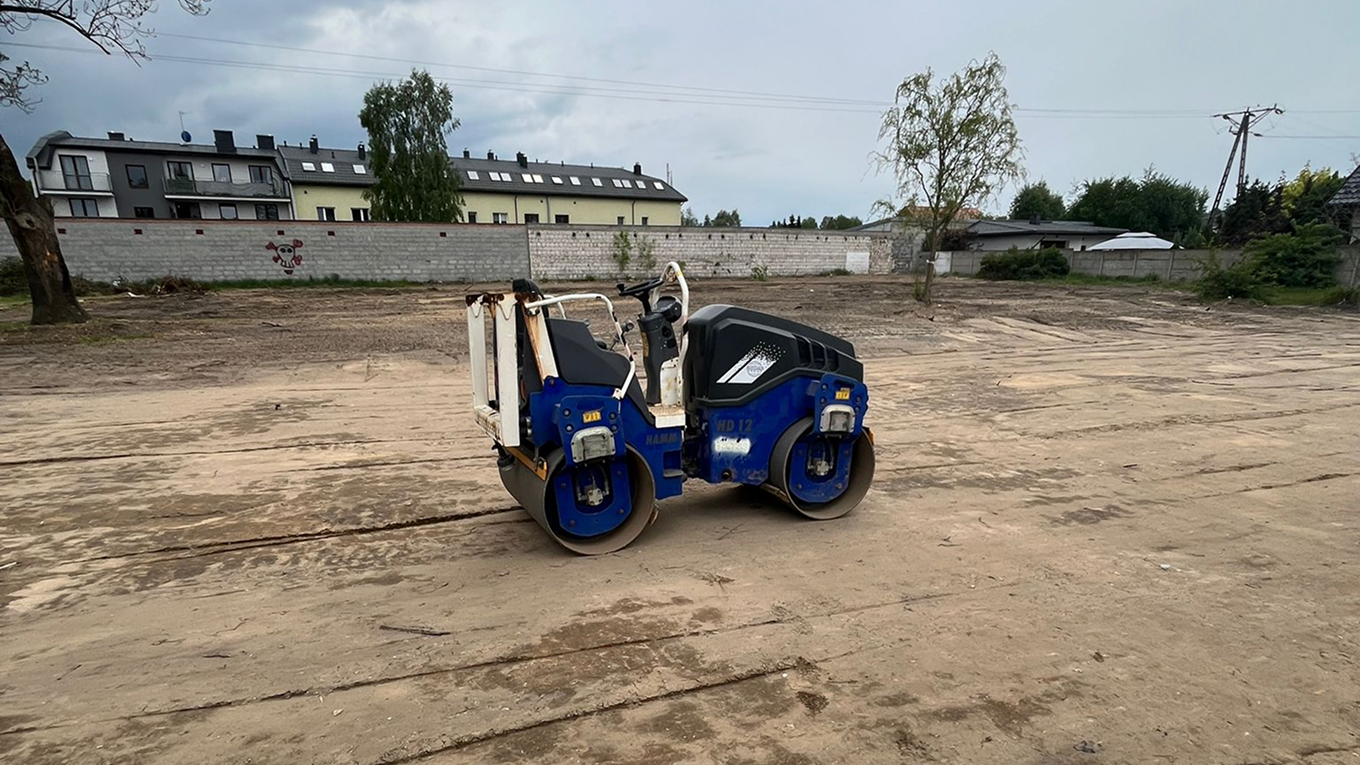
The final stage of the work involves cleaning up the site after demolition. Once the buildings have been removed, the debris must be hauled away, the site cleaned up, the foundation pits backfilled, and the surface leveled. This transforms the site from a demolition site into one that is ready for further development.
For larger projects, proper soil compaction is also important. This step is crucial when new project components are to be built on the site of demolished buildings, or when the site is to be used safely after the work is completed.
Proper cleanup reflects the quality of the entire demolition project. The actual demolition of the building is only part of the job. The final result depends on whether the site has been cleared, leveled, and left in a condition suitable for future use.