Demolition of a livestock building in Słonice
The demolition of the livestock building in Słonice is a project involving the removal of an old agricultural structure. Buildings of this type have often served as farm facilities for many years, which is why their demolition requires good organization, appropriate equipment, and a careful approach to the surrounding area.
In this project, it was not only important to demolish the building itself. It was also crucial to preserve the existing greenery, protect the technical infrastructure, properly manage the demolition debris, and finally clean up and level the site.
The work in Słonie shows that demolishing a livestock building is a process that must be carried out in stages. First, the work site must be prepared; next, the building must be dismantled in a controlled manner; and finally, the site must be cleaned up and the project formally completed.
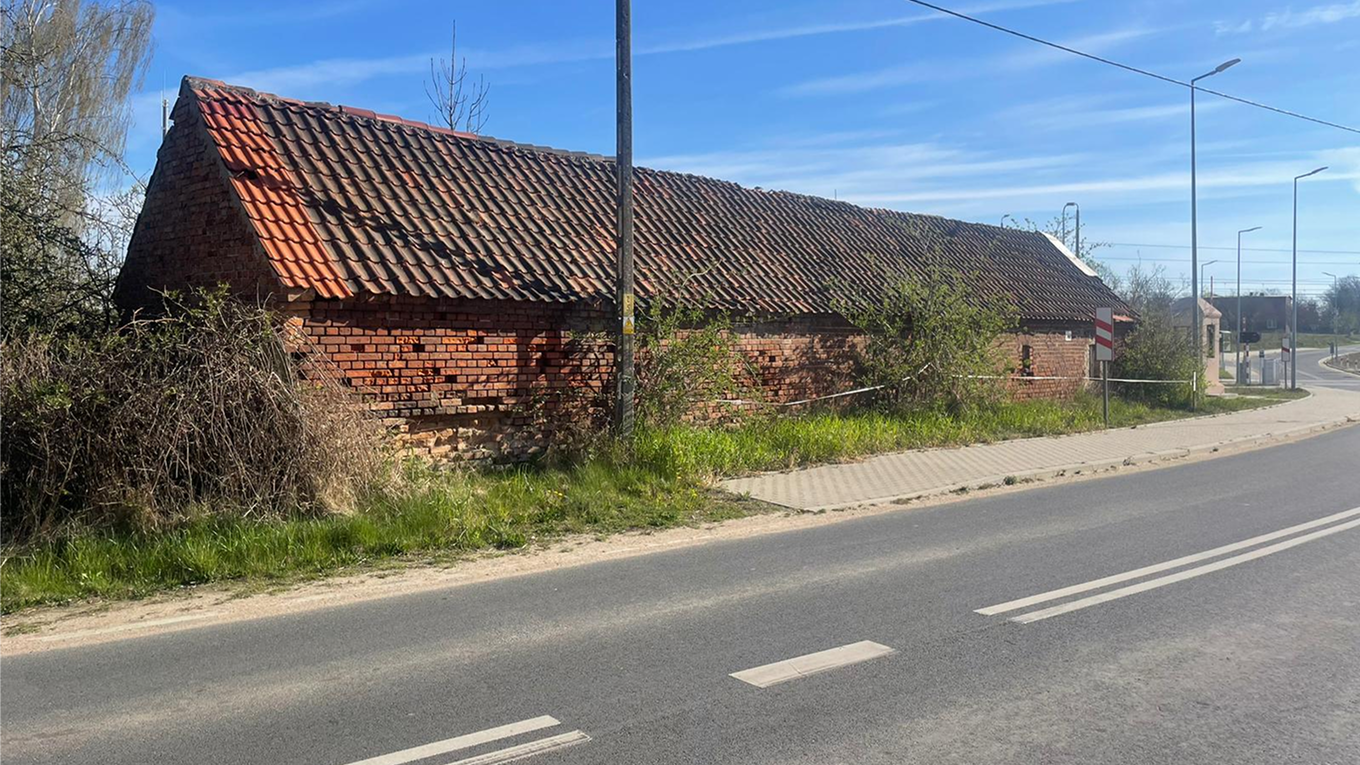
The livestock barn before work began
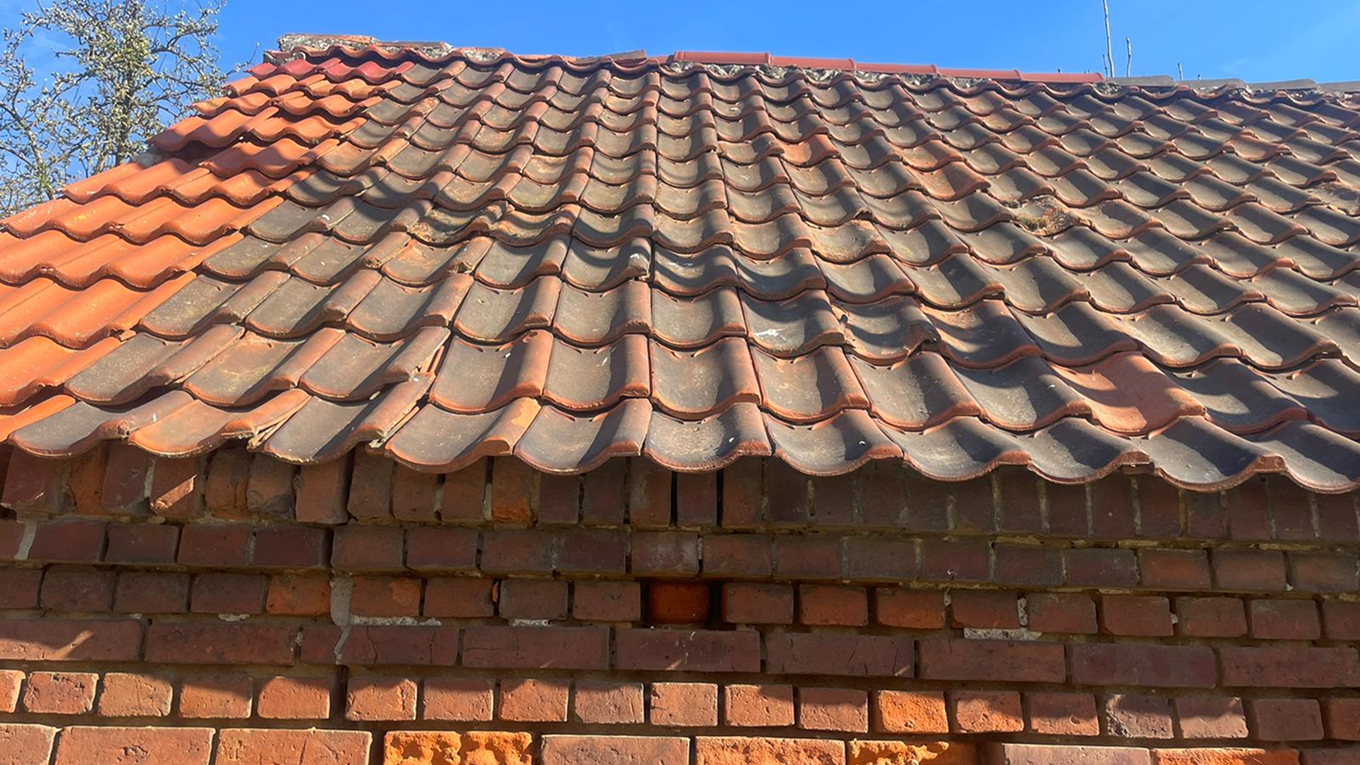
The livestock building slated for demolition was part of an old agricultural complex. Such buildings may contain various materials and structural elements, including masonry walls, wooden sections, steel components, remnants of roofing, floors, foundations, and old utility systems.
Before beginning work, it is necessary to assess the condition of the structure and select the appropriate method of demolition. Older outbuildings may have weakened walls or damaged structural elements, so the work should not be carried out haphazardly. The sequence of steps and ongoing safety checks are important.
Proper preparation reduces risks and allows work to proceed more efficiently. It also makes it easier to sort materials later and clean up the site once demolition is complete.
Preparing the Site for Demolition
Site preparation is the first step in a professional demolition project. First, the work zone must be marked off and secured to prevent access by unauthorized persons. Next, space must be set aside for equipment, access routes, and a temporary storage area for materials generated during the demolition.
In Słonie, it was also important to plan the work with the building’s surroundings in mind. With projects like this, one cannot focus solely on the building itself. Attention must also be paid to the greenery, neighboring land features, and nearby technical infrastructure.
Thanks to good organization of the work site, the work proceeds more efficiently. Importantly, keeping the work site tidy improves safety and makes it easier to clean up the lot later.
Protection of greenery and a power pole
One of the key aspects of this project was protecting the existing greenery and the power pole. During the demolition of the livestock building, machinery, materials, and debris may come into close proximity to elements that must remain intact. Therefore, the work plan must be properly prepared before demolition begins.
Landscaping requires careful maneuvering of equipment and monitoring of material storage areas. Technical infrastructure, on the other hand, requires maintaining a safe distance and constant attention during work. These measures reduce the risk of damage and allow for a more controlled demolition process.
By securing the surrounding area, the site can be cleaned up after the work is completed without the need for additional repairs. This is particularly important for demolition projects carried out in areas with existing development.
Demolition of Old Farm Buildings
The demolition of a livestock building should be carried out in stages. First, remove any elements that hinder further work. Then proceed to demolish subsequent sections of the building, while monitoring the stability of the structure and the safety of workers.
When dealing with old agricultural buildings, it is important to consider the variety of materials involved. A single structure may contain rubble, wood, metal, pieces of roofing material, plumbing fixtures, and waste requiring separate disposal. Therefore, demolition involves not only the operation of equipment but also the ongoing sorting of materials.
This approach facilitates further removal and cleanup of the site. In addition, it helps minimize the mixing of different waste fractions, which is important for the proper management of materials after demolition.
Disposal of Materials After Dismantling
During the demolition of a livestock building, materials are generated that must be properly prepared for removal or further use. Rubble, wood, metal, and other waste should be sorted by type. This helps keep the construction site more organized.
In this project, it was important to remove materials from the work site on an ongoing basis. Accumulated debris or waste can hinder access to other parts of the facility, which is why good logistics are crucial for the smooth progress of the work.
Proper disposal of materials also affects the final result. After demolition, the site should not be left with loose structural fragments, debris, or obstacles that hinder the future use of the lot.
Site Clearing and Grading
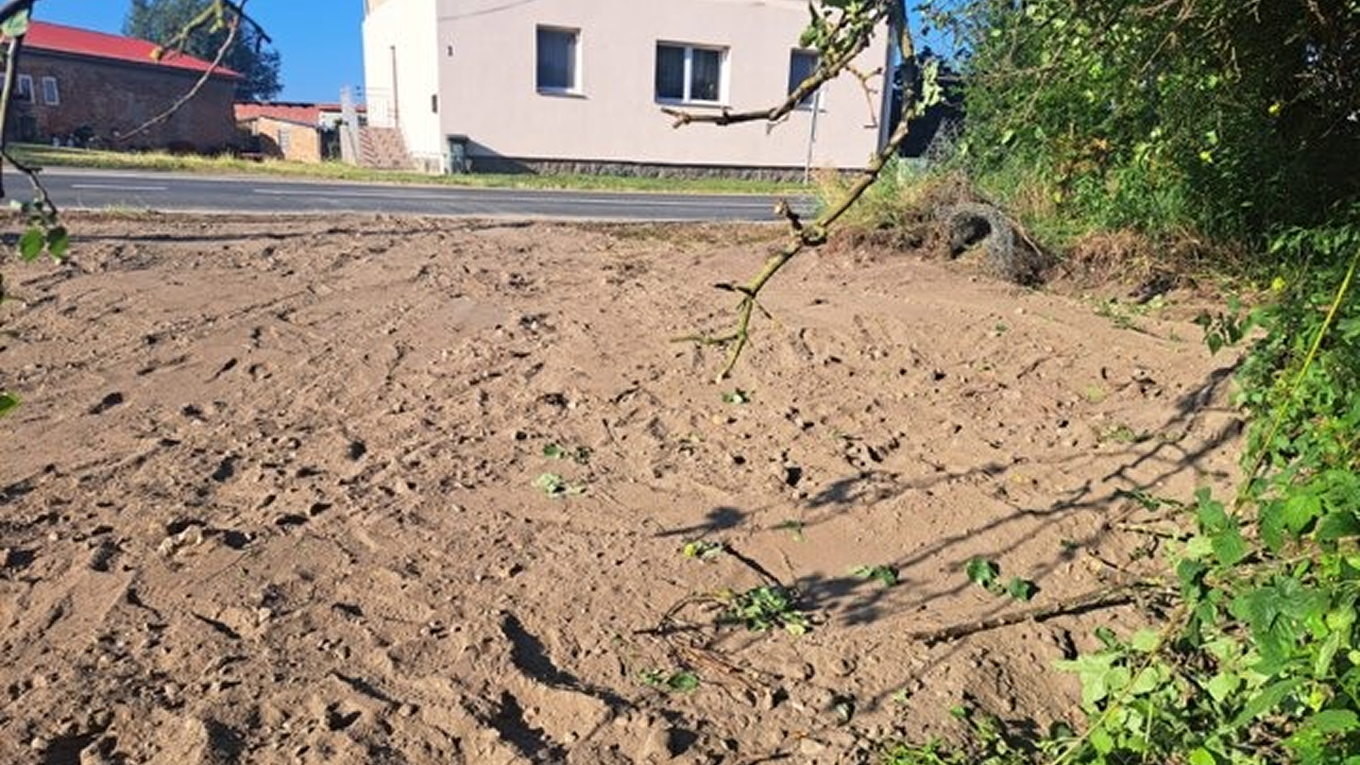
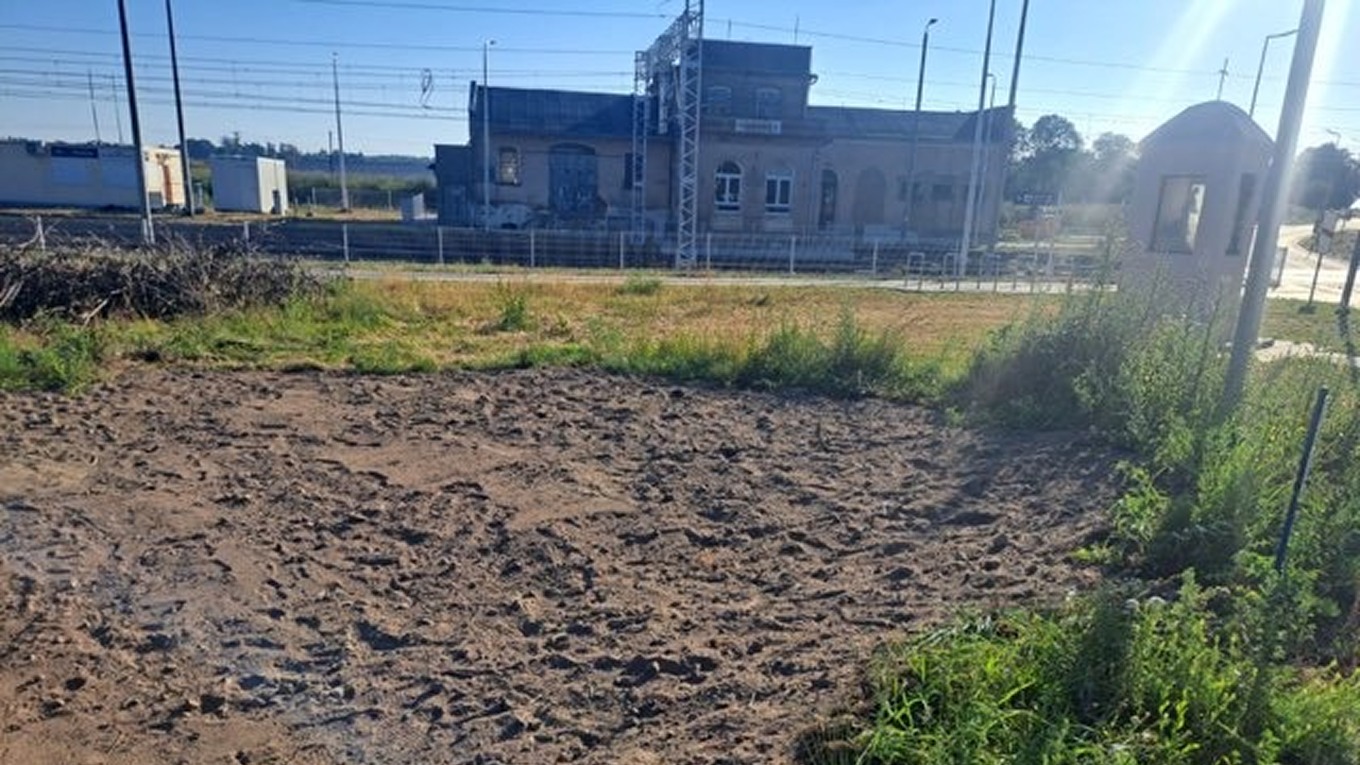
Once the main demolition work is complete, the site must be restored to an appropriate condition. This includes removing debris from the building, cleaning the area, leveling the ground, and preparing the site for future use.
In Słonie, the final cleanup was of great importance. After the demolition of the livestock building, the site should not be left with rubble, uneven ground, or demolition debris. That is why cleanup work is just as important as the demolition itself.
Leveled ground improves the safety and appearance of the site. At the same time, it facilitates future decisions regarding the development of the land where old agricultural buildings once stood.
Post-construction Surveying Survey
In projects of this type, it is also important to formally complete the work. Once the building has been demolished, the current condition of the site must be verified. This may include a post-construction survey, updating maps to reflect the changes, and organizing the documentation following the demolition.
This stage completes the entire project. First, the building is physically demolished; then, the site is cleared and leveled; and finally, the status is updated in the documentation.
As a result, the demolition of the livestock building in Słonice is now fully complete. The investor receives a cleaned-up site and confirmation of the changes made following the completion of the work.