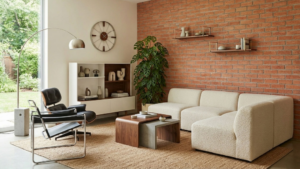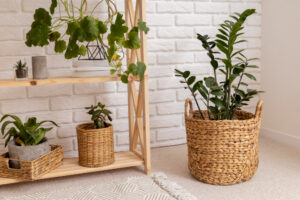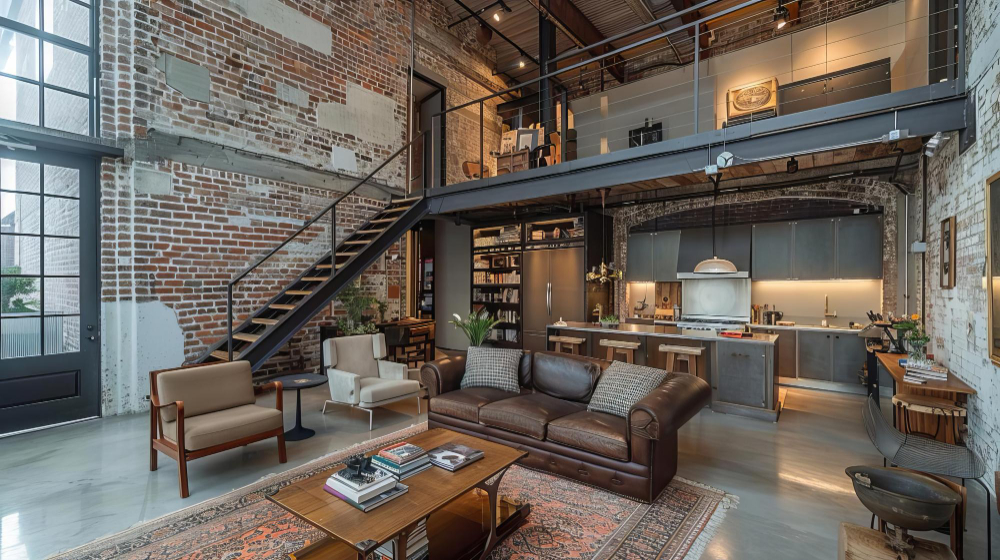
Loft style is about space, light and honesty of materials. It does not pretend that concrete is smooth, that metal has no welds and that brick is perfect. It is this genuineness that creates character: a little raw, but elegant. Below you’ll find specific tips – from walls and colors, to brick (including shade and grout), to furniture, fabrics, lighting, plants and ready-made recipes for the living room, kitchen and bedroom.
What are lofts all about?
Start with the basics: large, possibly open spaces, high ceilings, light and authentic materials. If you don’t have a post-factory space – nothing lost. A loft atmosphere can be built in an ordinary apartment, based on proportions, colors and details.
-
Base materials: brick, concrete (poured/microcement), steel, glass, wood.
-
Form: simple, functional, with exposed structure (beams, pipes, wires – if possible).
-
Light: several sources, often with directional fixtures.
Brick in loft style
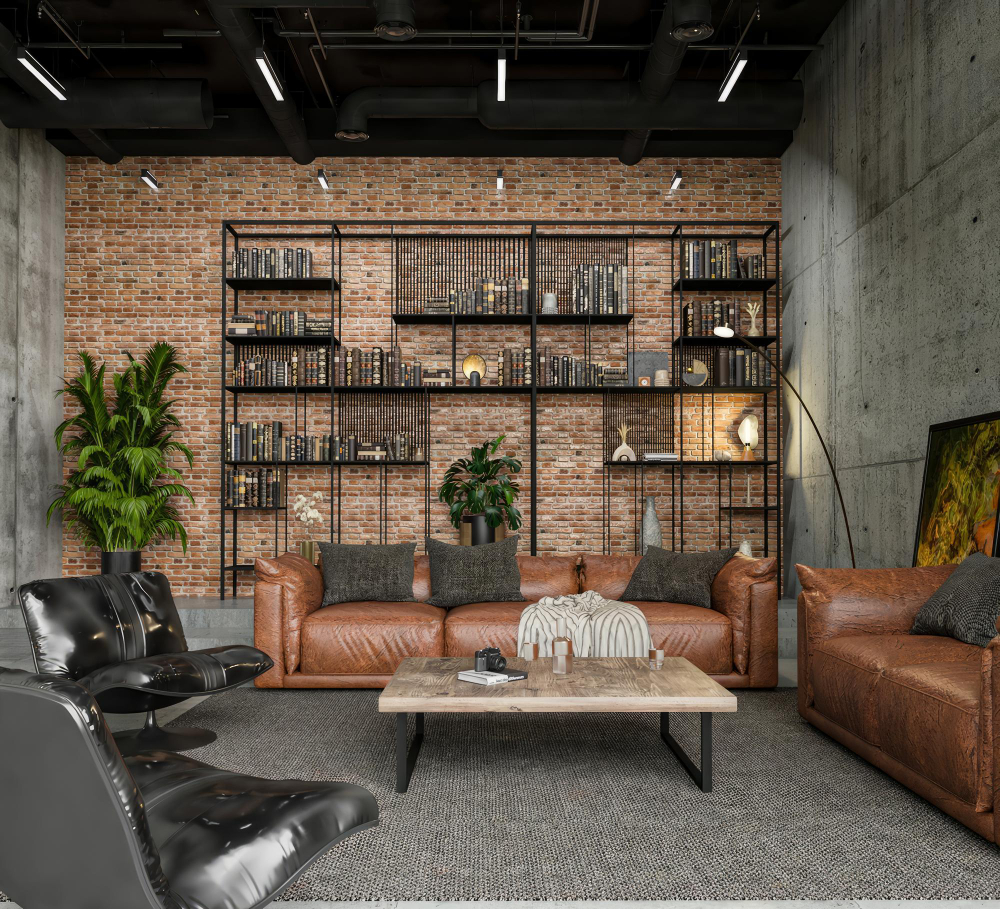
Brick is the heart of industrial – it warms concrete, balances metal and glass. It also looks good as brick tile (thinner and easier to install).
What shade?
-
Red with a hint of rust or demolition brick – creates a factory and industrial DNA.
-
Sawn/bleached brick – for smaller interiors; brightens them up, without losing character.
-
Darker, muted browns – great in the TV area or by the fireplace.
Fugue and format:
-
Graphite, ash, cement gray – conquers the loft contrast.
-
Width of 6-10 mm – looks more “raw” than a narrow, “clinker” joint.
-
The matte waterproofing will protect against dust and kitchen steam, without spoiling the structure.
Where to lay the brick?
-
TV wall/behind sofa, belt in dining room, wall by kitchen island, headboard in bedroom.
-
Don’t tape everything – one accentuated wall looks better.
Wall colors: a balance between cool and warmth
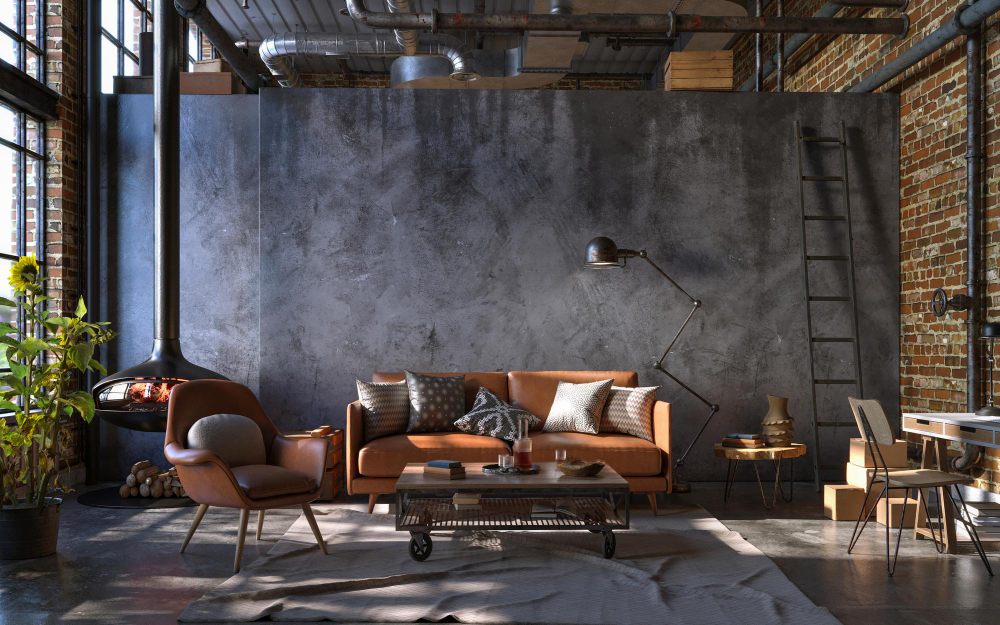
Loft likes neutral, muted colors that make room for textures.
-
Base: broken white, ivory, light ash.
-
Accents: graphite, anthracite, steel blue-gray, olive green.
-
For brick: cool grays and broken whites; too warm a beige can “dirty” the image.
The 70/20/10 rule works well: 70% light base, 20% distinctive material (brick/concrete/wood), 10% dark accent (metal, black detail).
Floors, doors, windows
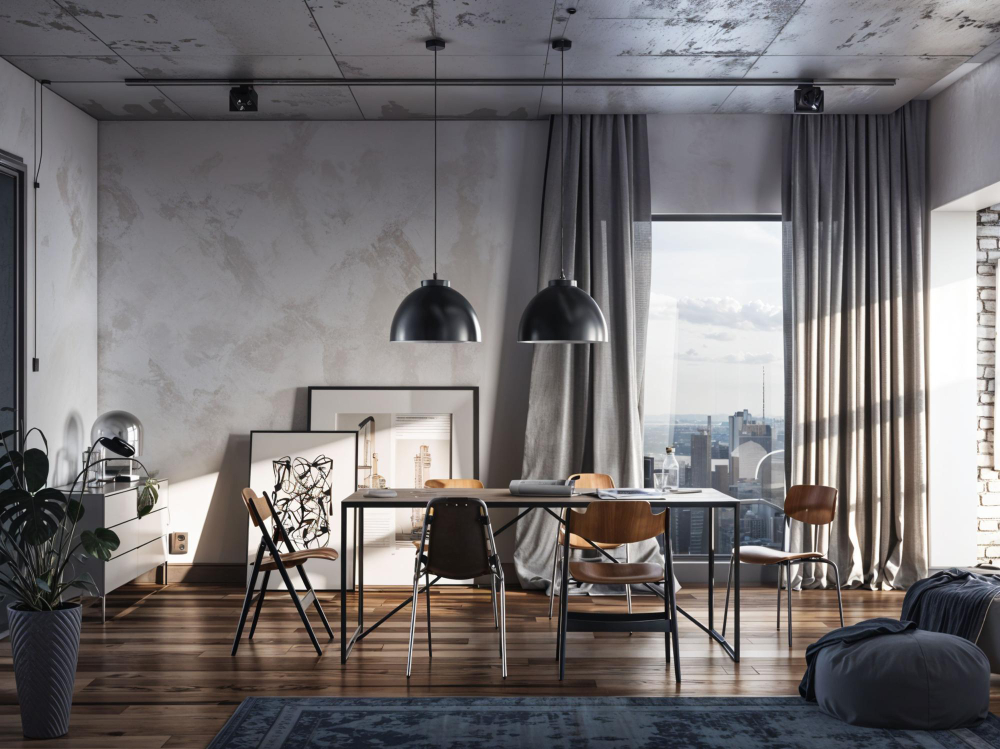
Continuity of planes is what matters in lofts. If you can – limit the divisions and leave the space open.
-
Flooring: plank in natural/brown oak, micro-cement, light concrete, possibly herringbone in a darker stain.
-
Doors: simple, solid or glazed, preferably with a black frame; no ornamentation.
-
Windows and glazing: narrow muntins, black or steel profiles; fluted glass splendidly divides zones without “closing” the light.
Furniture that suits the loft style
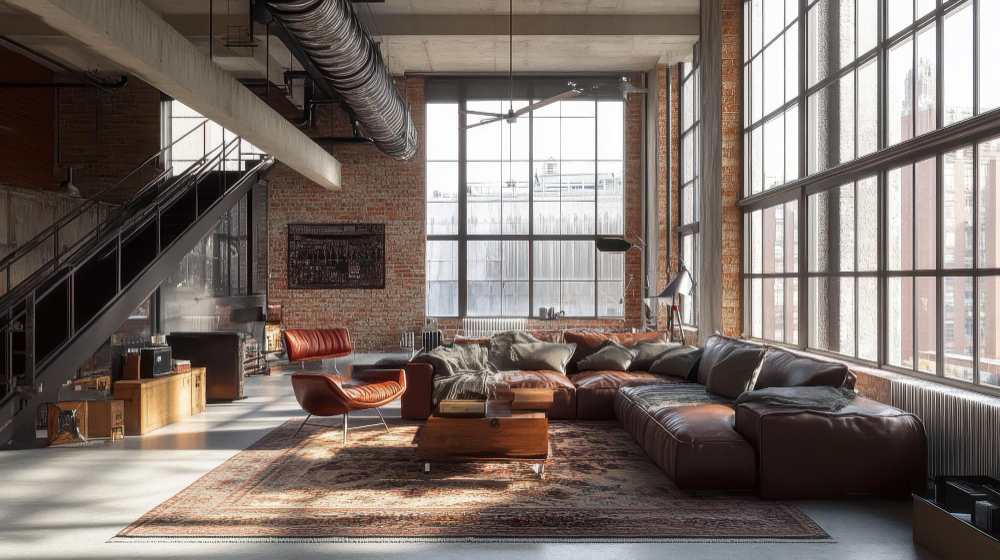
In a loft interior, furniture is not a beautiful picture from a catalog, but useful equipment. They have visual weight, clean lines and a specific function.
In practice:
-
Wood + steel: tables on steel legs, bookcases made of angles and thick shelves.
-
Leather and fabrics with a distinct weave: sofa in cognac or dark brown leather, armchair in linen fabric.
-
Fronts without milling: matte, with visible veneer drawing or completely smooth.
-
Storage: closed built-in cabinets + one “technical” open bookcase (steel + wood) for books and equipment.
Avoid: cabriole legs, romantic carvings, gloss, or light, “flowing” forms (typical of boho style).
Fabrics: less is better
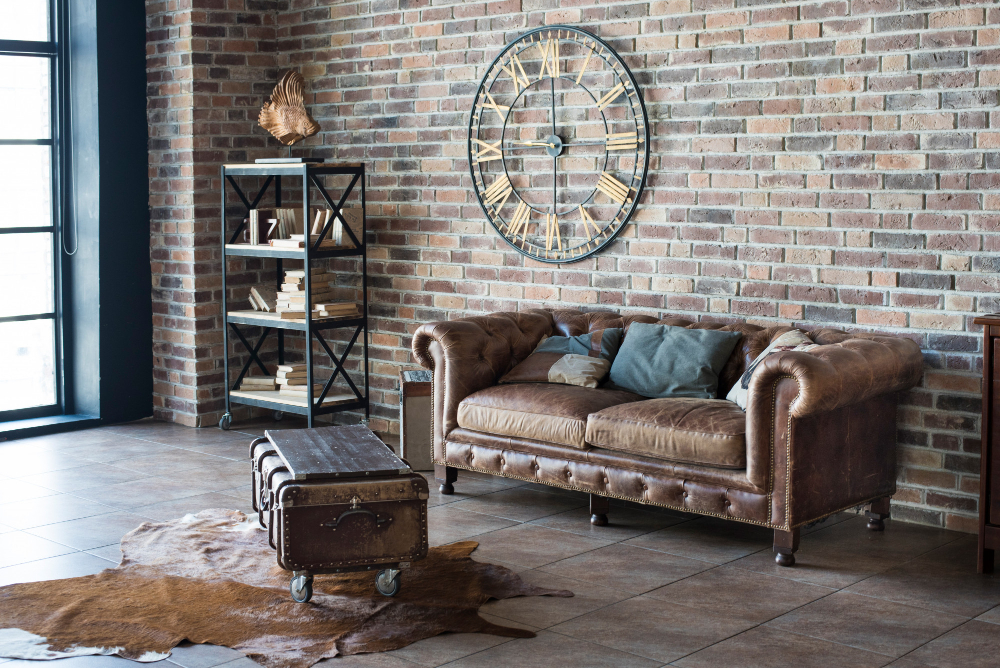
Loft does not tolerate an overabundance of textiles, instead it will appreciate noble simplicity.
-
Canvas/linen curtains, plain blinds.
-
Pillows with a large weave, a wool blanket, heavier bedspreads in melanges of gray.
-
Carpet? Yes, but flat-woven: jute, wool, vintage “sawn”.
Do away with: frills, lace, shiny synthetic fabrics, and fabrics in pastel “candy” shades.
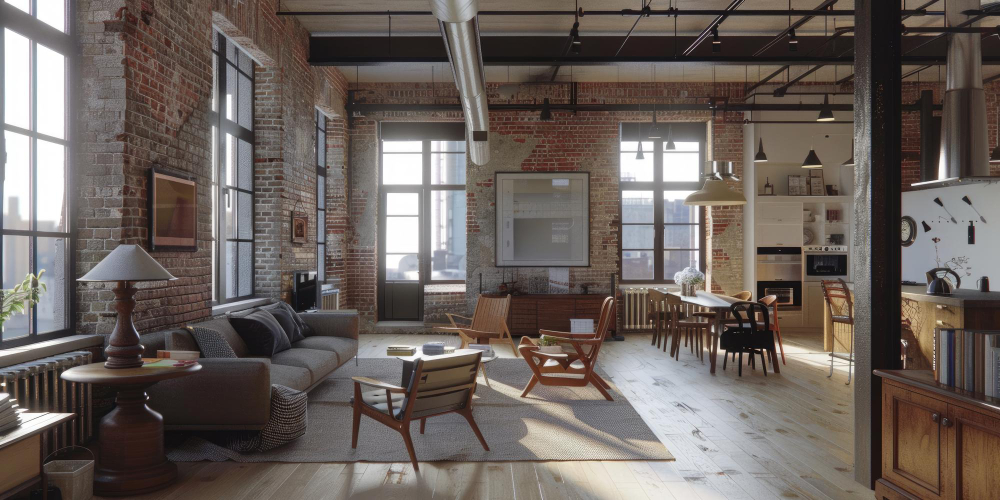
What lighting for an industrial style interior?
Light is as important in a loft as the brick. One “main” source is not enough – you need layers.
-
Ceiling: rail strips with spotlights or large industrial fixtures.
-
Walls: long arm sconces, “factory” lamps.
-
Zones: table lamps that highlight the texture of brick and wood.
-
Color: 2700-3000 K for leisure, 3000-3500 K over countertop and desk.
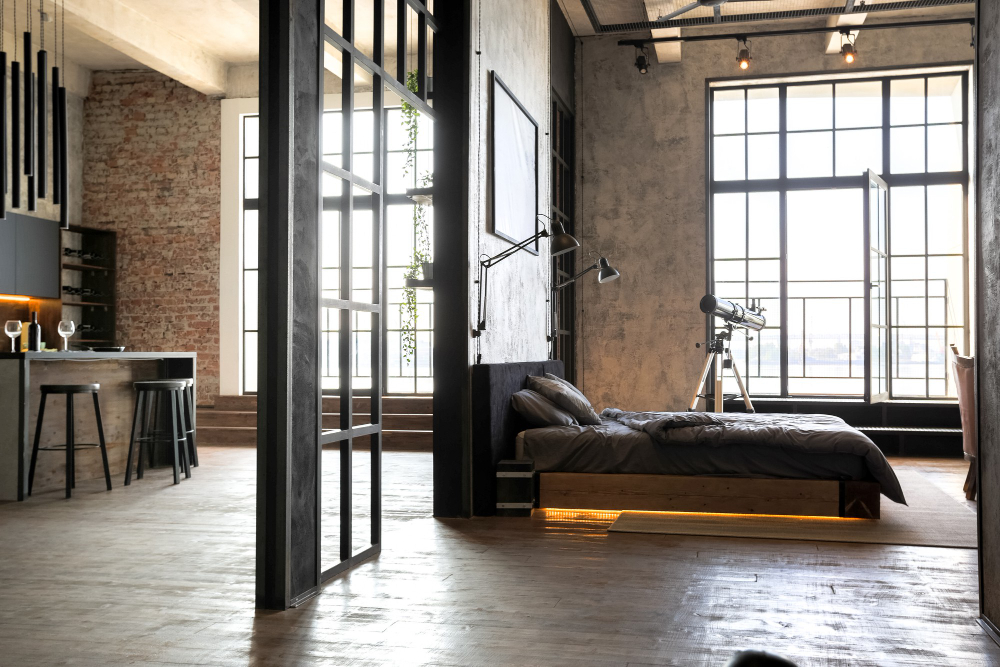
Accessories and ornaments: not too much, but with character
Loft detailing is about tools, technique, craftsmanship – in a thoughtful, not haphazard version.
-
Metal accents: black handles, steel frames, “smoky” brass.
-
Glass and ceramics: bottles, jars, raw stoneware, large vases.
-
Graphics and photographs: depicting architecture, typography or machinery details, framed in simple frames.
-
Mirrors: large panels in a black frame, preferably of industrial proportions.
Watch out for: excessive decorations with signs, neon signs (one – yes; five – that’s too many and will create the atmosphere of a club rather than a loft), small trinkets that quickly create chaos.
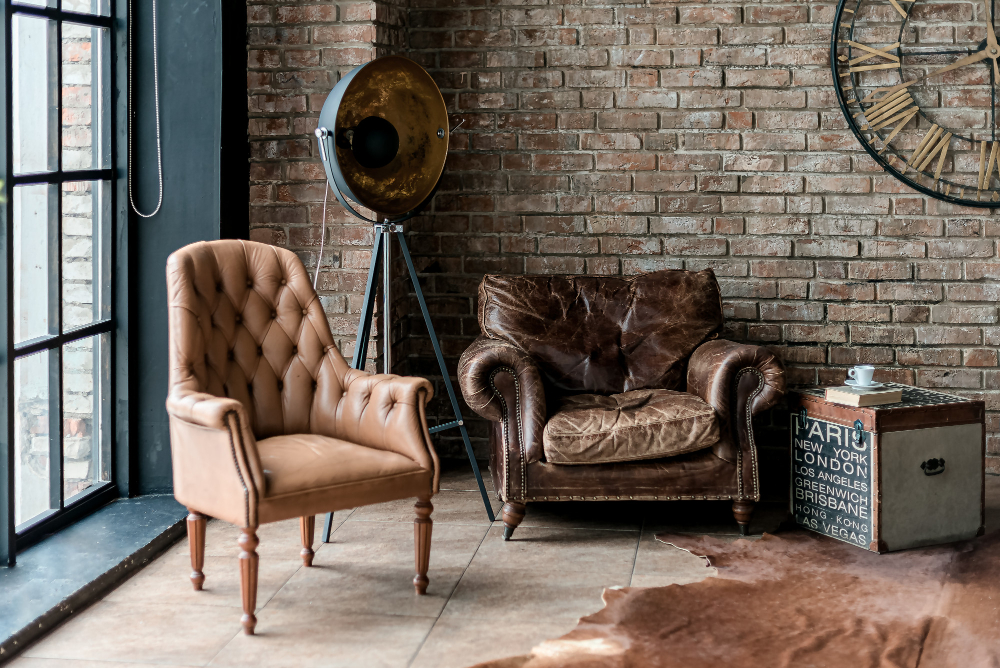
Plants for loft apartment
Greenery in a loft is like a drawing – a simple solid, clear outline.
-
Great for: Monstera, zamiokulkas, sansevieria, spring ficus, cacti in raw pots.
-
Pots: concrete, raw ceramic, steel covers.
-
One larger plant makes a better effect than five random ones.
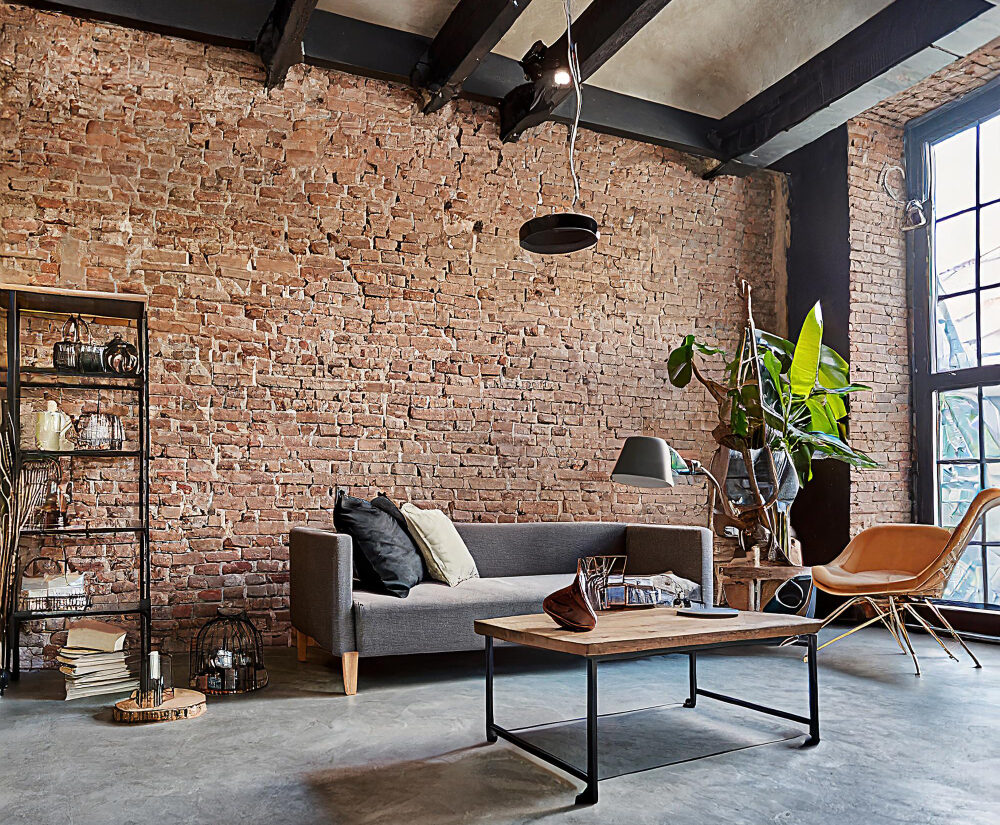
What goes together and what to avoid
Ideal compositions:
-
Brick + concrete/microcement + black steel.
-
Leather + wool + canvas.
-
Muntins and glazing + rail strips.
-
Simple typography and framed photographs.
This is something to avoid in a loft:
-
Baroque forms, bent legs, golden gloss “salon”.
-
Pastel romanticism and an excess of floral patterns.
-
Pretend brick with shiny plastic and “aged” thins in shabby chic style (that’s another tale).
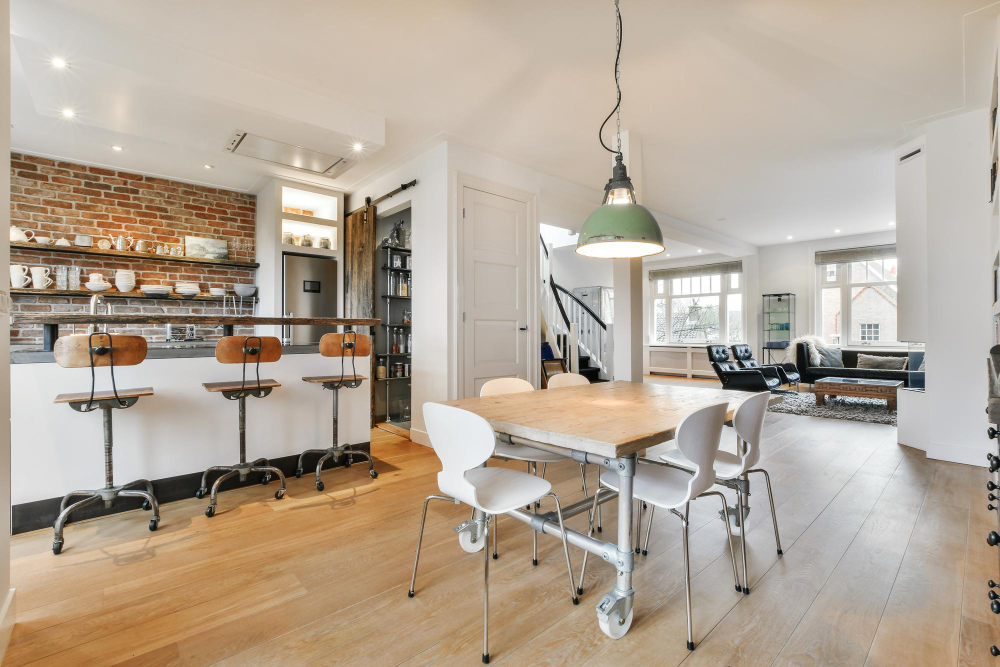
Examples of arrangements
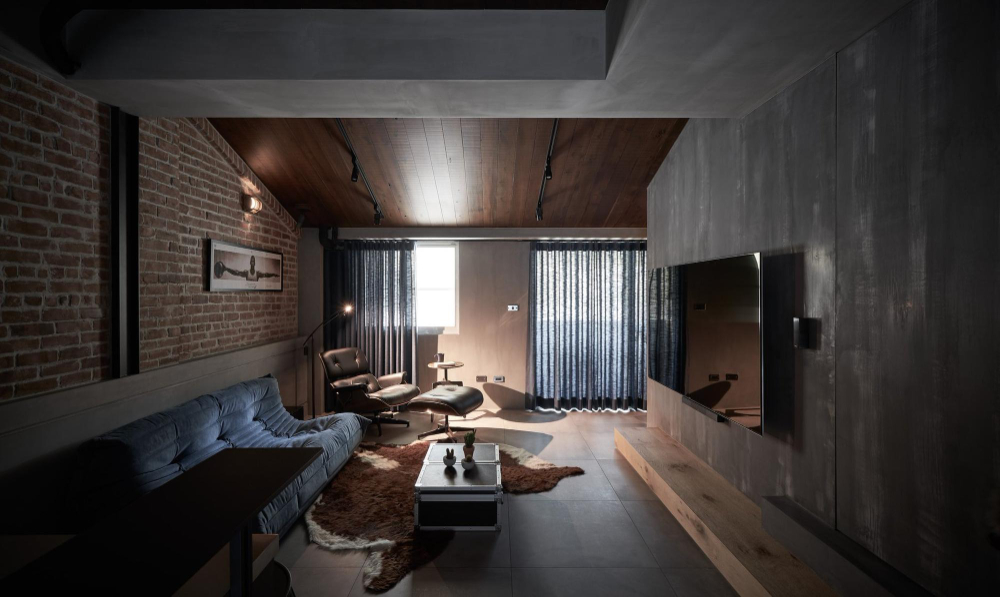
Salon
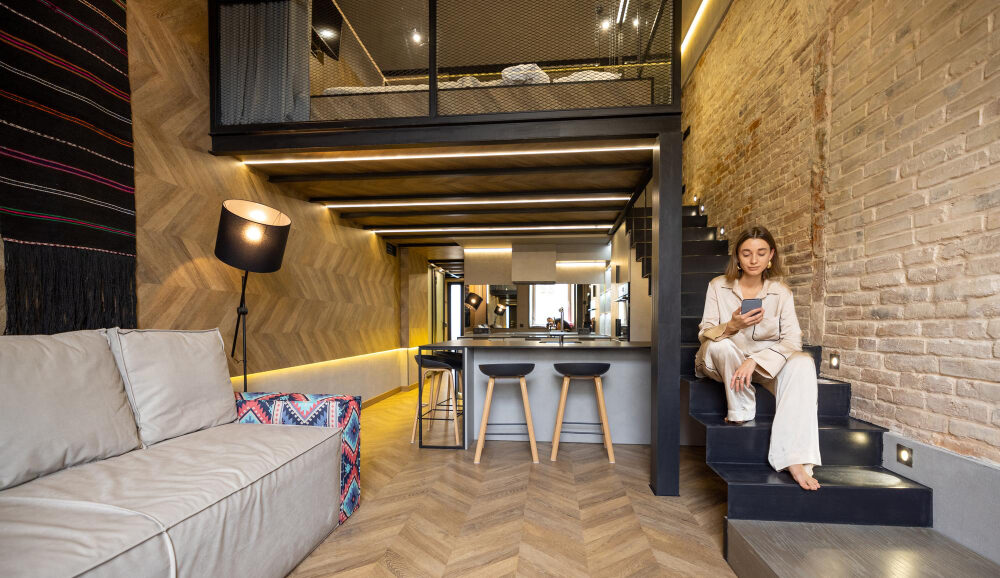
Choose one brick wall (graphite grout), paint the rest in broken white. On the floor – oak plank or micro-cement. Put a sofa made of leather in a cognac shade, for a table: solid wood on a steel frame. Lighting on a rail with adjustable spotlights, next to it a floor lamp with a metal shade. On the wall a large architectural graphic in a black frame; on the shelf – glass and stoneware.
-
In addition: a flat-woven carpet, one large monstera in a concrete pot.
-
You can deliberately leave the cable from the lamp visible – it is a “technical” element, not a mistake.
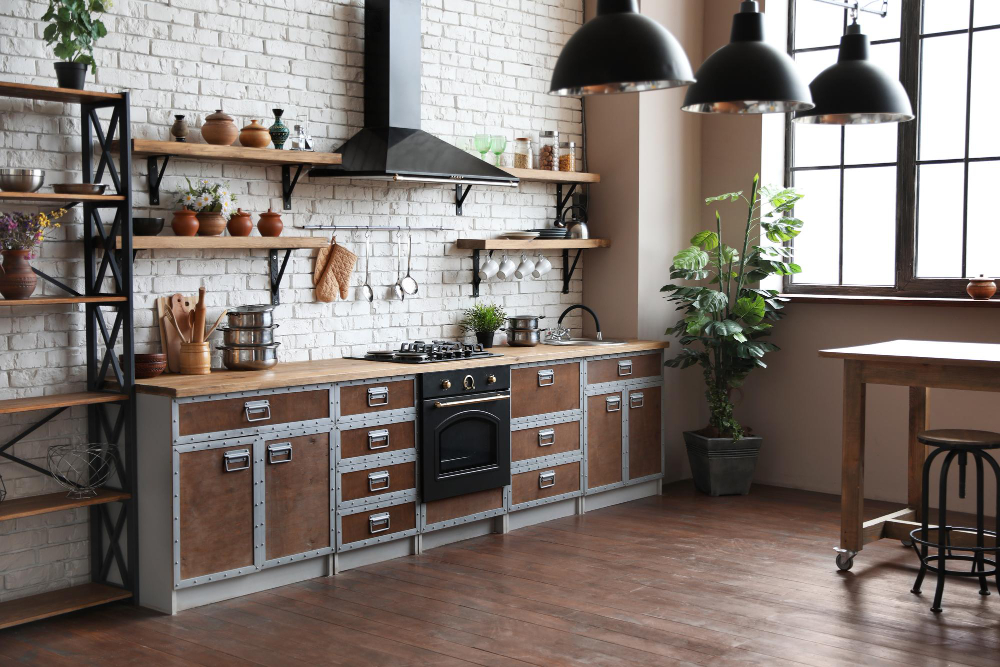
Kitchen
Between the cabinets brick tiles protected with matte impregnation. Fronts smooth, matte, handles black. Countertop: oiled wood or sinter/conglomerate in warm gray. Above the island, two larger industrial fixtures; under the cabinets, light 3000-3500 K. Hocker on steel leg with wood or leather seat.
-
Order on top: a few glass jars, a kettle in a steel finish, a solid wood board.
-
If you have a window – a canvas blind, and on the windowsill a uniform line of herbs in identical pots (preferably such small metal buckets).
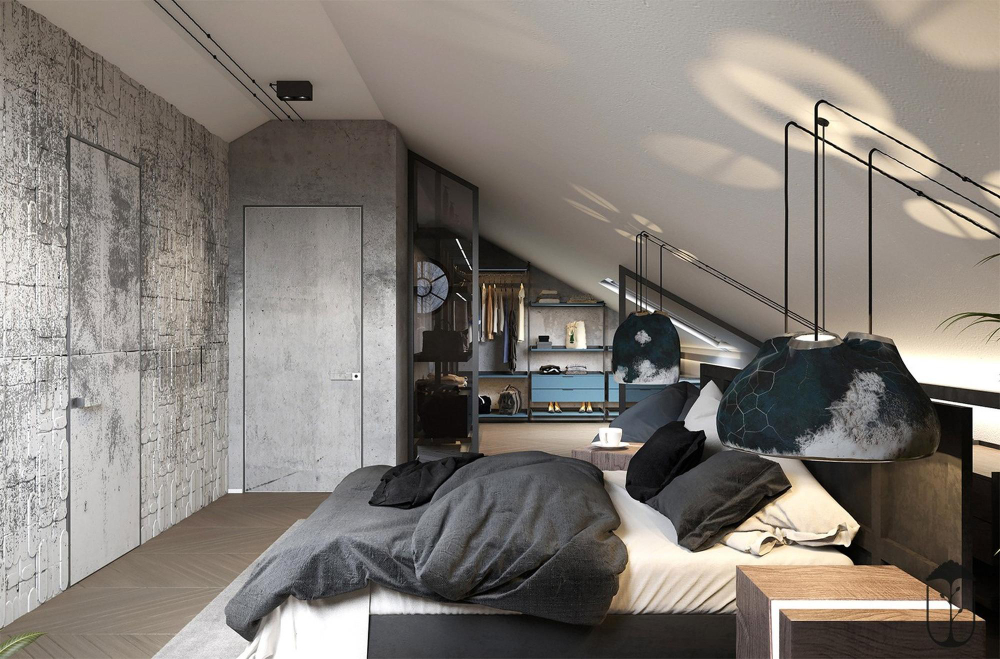
Bedroom
Behind the bed a strip of brick or a dark wall (anthracite/olive), the rest light. Bed with a wooden frame, tables – simple, metal + wood. Wall lamps with movable arm, warm light 2700 K. Restrict textiles: pleasant to the touch cotton bedding, wool bedspread, two pillows in melange.
-
Cabinet smooth, without milling; if made to size – consider black slats as a delicate division.
-
On the wall, one large-format photograph instead of a gallery of small frames.
Most common mistakes
-
Too much “austerity” at once: concrete + dark walls + black floor = gloomy. Leave a light base.
-
Chaotic accessories: industrial is a discipline; bet on fewer ornaments, but functional and in one style.
-
Poor light: one chandelier is not enough; plan for several light sources.
-
Imitation materials: plastic pretending to be steel and a mural imitating brick look cheap and will not create an authentic loft character.
Brick in the loft – FAQ
What kind of brick for loft style?
Warm red or demolition brick; a whitewashed version will work well in small interiors. Graphite or ash grout, 6-10 mm.
Will brick work in the kitchen and at the countertop?
Yes, provided the use of waterproofing and care of the joint. Where there is a risk of splashing, protective glass or microcement will also work.
With what wall color to combine brick in lofts?
With bright, broken whites and cool grays. Avoid yellowish, “buttery” beiges next to red brick.