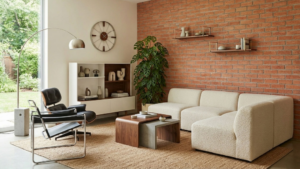
Decorative brick can warm up a space, add character and “history”. At the same time, it is not a neutral background – it has a strong texture, color and rhythm. In some arrangements it is an asset, in others it begins to compete with the rest and spoils the proportions. Below – a guide to styles and situations in which brick will not be the first choice, and tips on what to replace it with or how to “bite” it, if you really care about it.
When brick is not the best choice
- When crystal lightness counts – very light, ethereal interiors (e.g., “feathery” boho chic, extreme white scandi) fade with heavier red brick.
- When the house is very small and dark – the strong texture “eats” the light.
- When the style is based on gloss and symmetry – glamour, art déco in an elegant way; brick can be too austere.
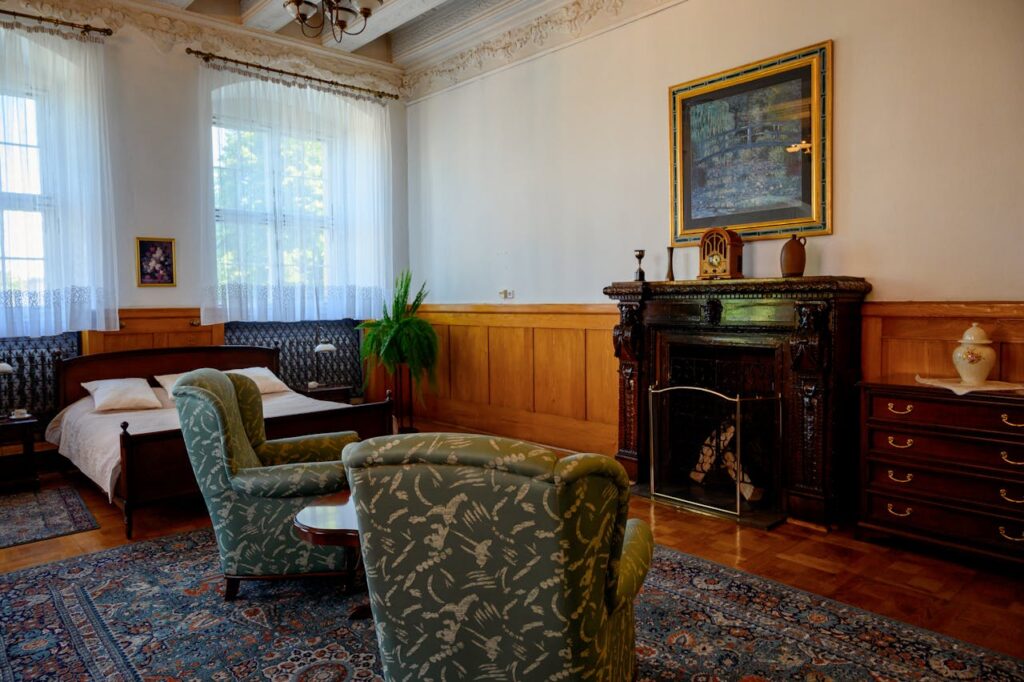
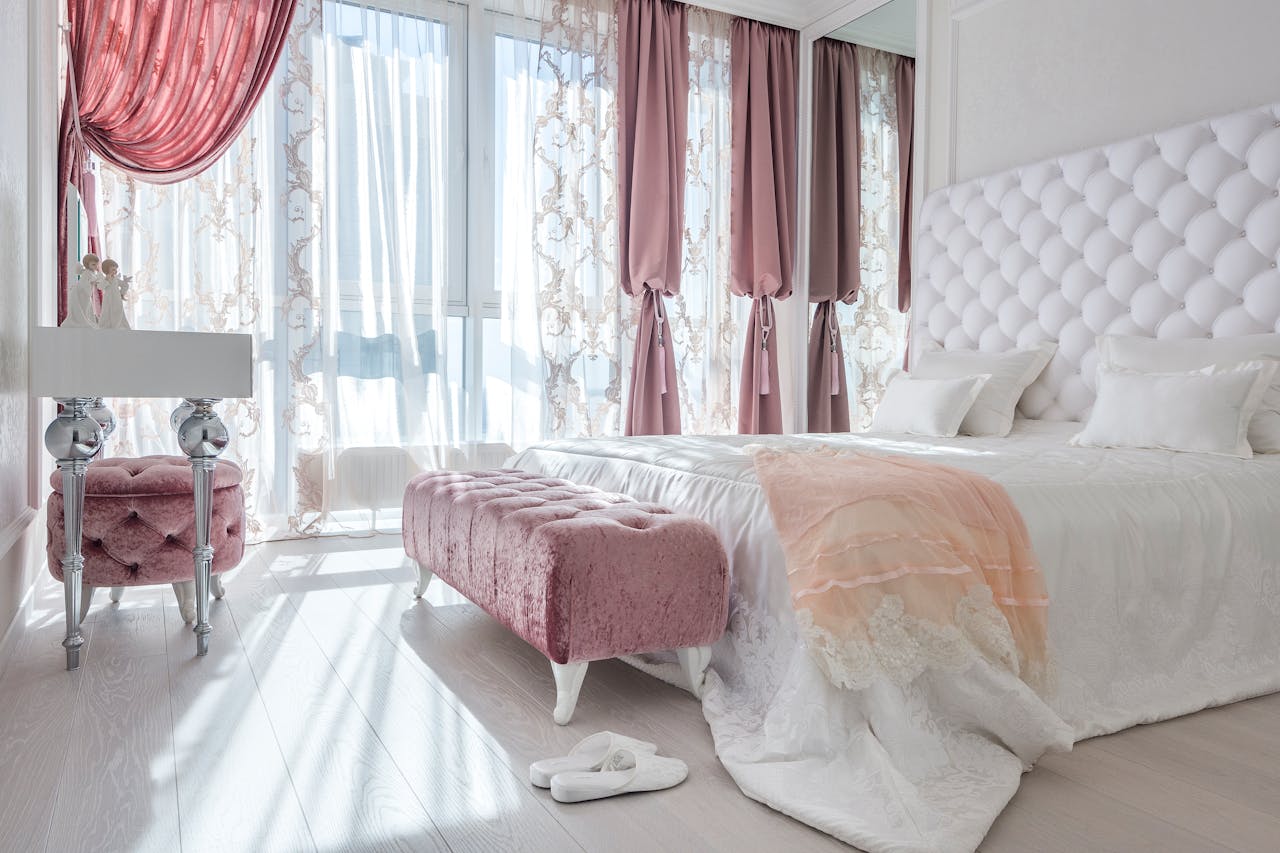
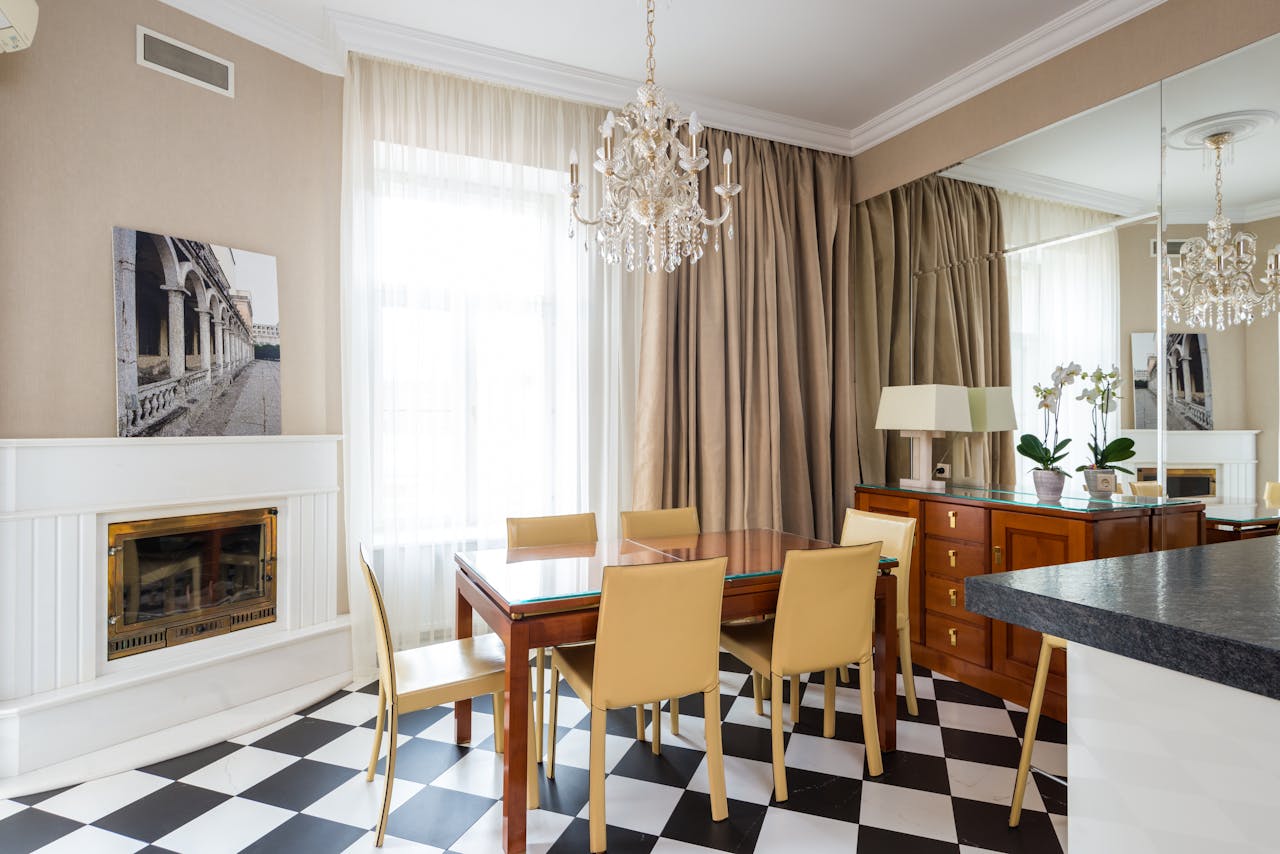
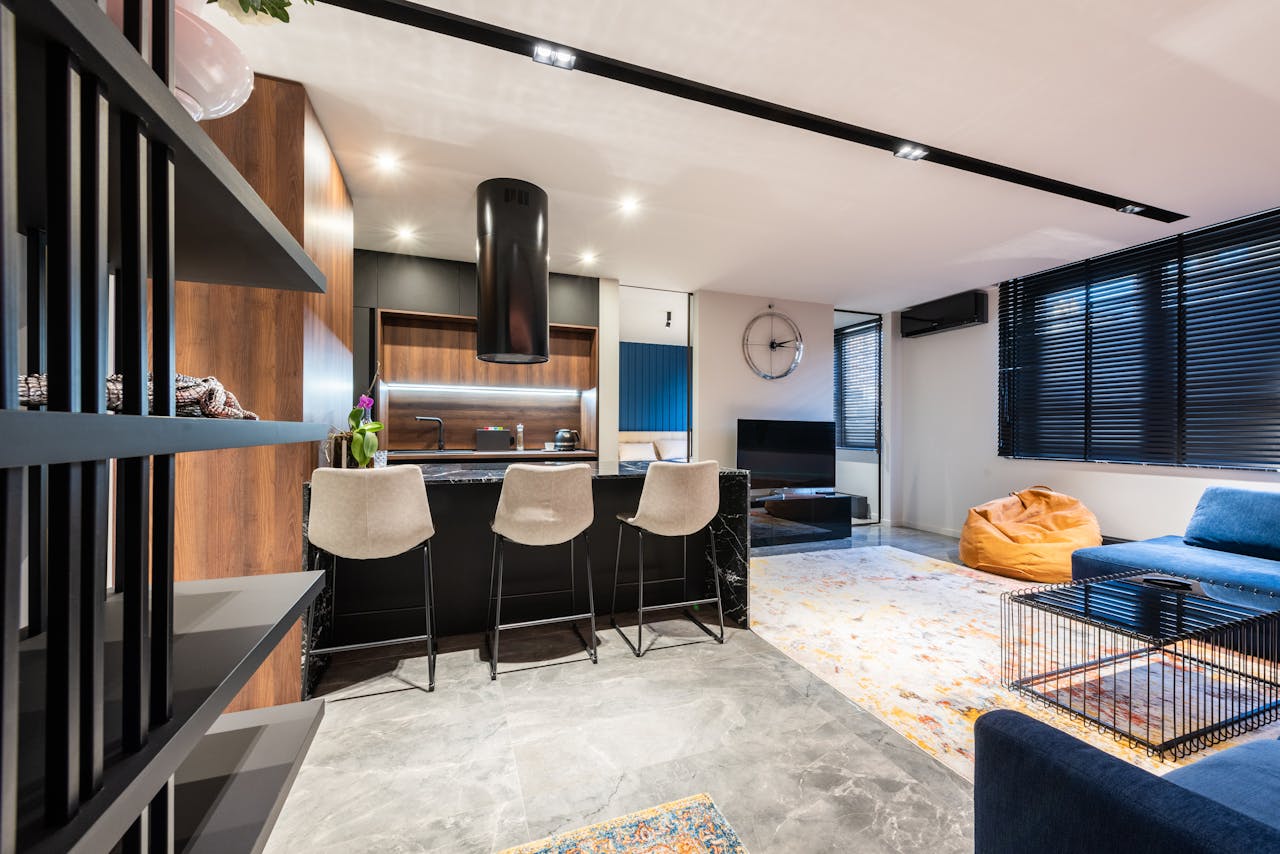
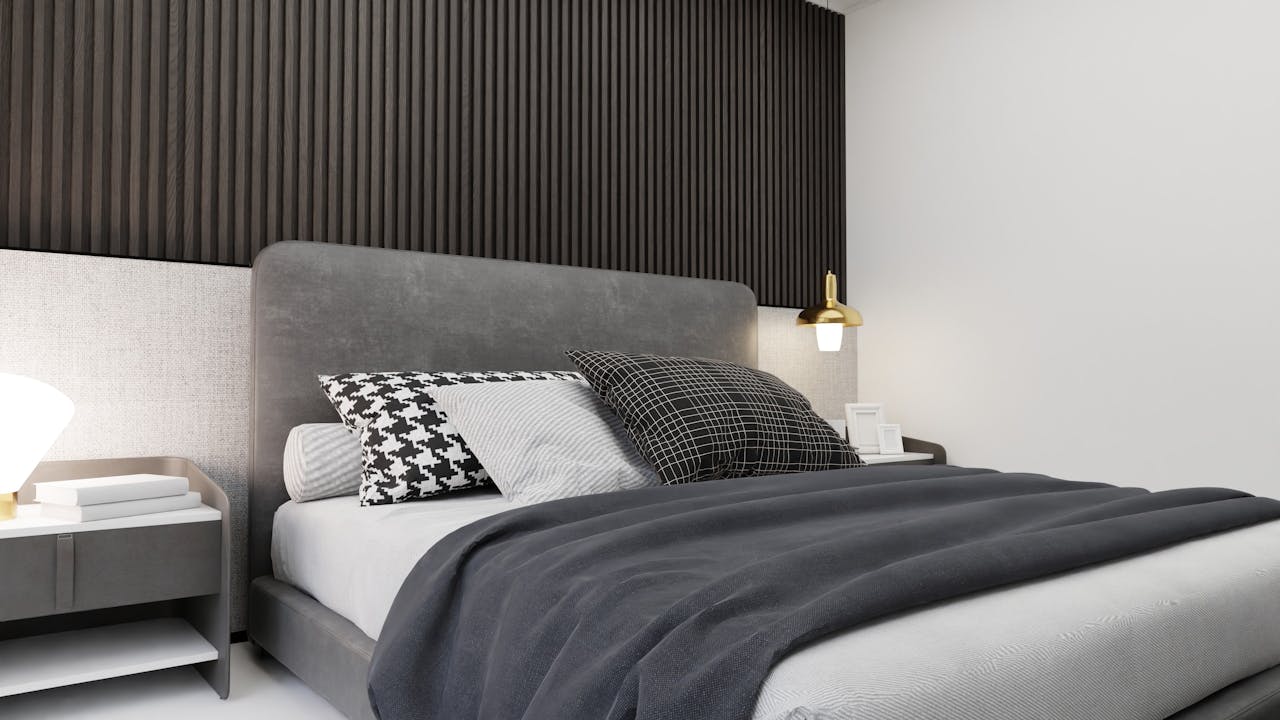
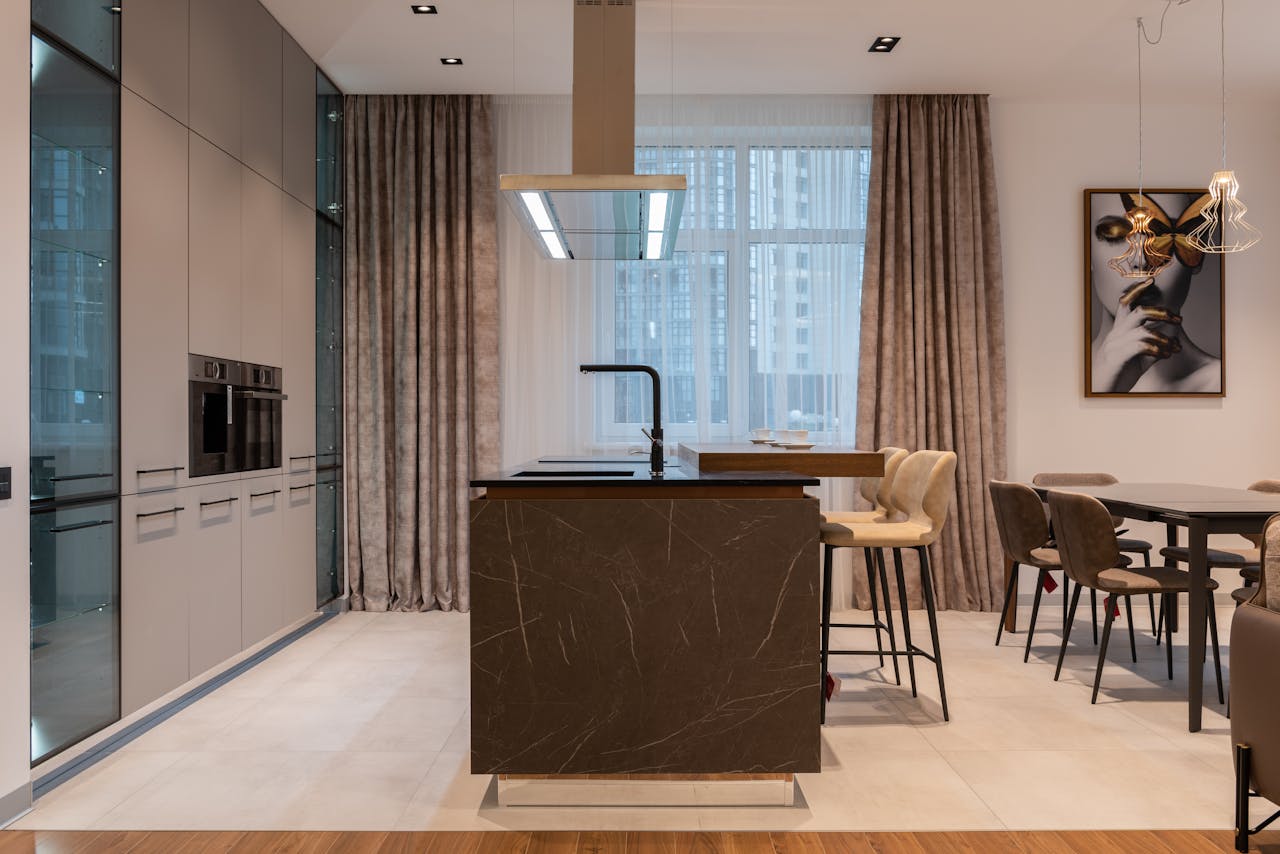
Below you can see photos of sample arrangements in which brick from demolition would not be found.
Styles with which the brick bites (and why)
- Glamour / “hotel luxury”
Mirrors, lacquer, velvet, glossy metals – this is where a perfect, smooth plane counts. Brick brings imperfection and matte, the opposite effect.
- Extreme minimalism and high-tech
Cool, almost laboratory-like backgrounds, anthracites, glass. Brick (especially red) dominates and “humanizes” all too much, spoiling the intended sterility.
- Coastal/Hamptons and “white scandi”
Interiors in this style rely on: space, light, soft pastels and lots of white. Brick rhythm can sometimes be too heavy; brick red can visually muddy such a palette. For such styles, brick is simply too heavy.
- Art déco in the living room version
Here, rhythm and geometry are desirable and sophisticated, veneer, stone and the sheen of metals dominate. Porous brick is the opposite of such living room glamour.
Learn more about the rustic style for which old brick fits best <<
What to avoid when finishing interiors and what to choose instead
Salon
- Watch out for: large TV walls in red brick next to light, light furniture. The background will start to dominate and darken the space.
- A better alternative: a plain wall in broken white or warm sand, and introduce texture with a rug with a distinct weave, linen, wood. If you want an accent – a narrow strip of whitewashed brick behind the console or in the alcove.
Kitchen
- Watch out for: a whole wall of built-ins in brick next to high-gloss fronts or in elegant cream – it makes a visual clash.
- A better alternative: meter tiles, microcement or smooth tiles in warm gray. If you’re dreaming of texture, choose a demolition brick tile whitewashed only on the short section between the countertop and the eaves, leave the rest smooth.
Bedroom
- Watch out for: an entire red brick headboard in very calm, pastel arrangements – the bedroom loses its soothing rhythm.
- A better alternative: a wall in ivory or sage, a headboard upholstered with linen. If brick – then gently whitewashed, with light grout, in a narrower band.
Want to use brick after all? Do it in a thoughtful way
- Lighten the material: whitewashed or sandy brick with light linen grout retains texture, but does not overwhelm.
- Change the scale: instead of the whole wall, it is better to make a piece of brick (e.g., an alcove, a strip behind the TV, a low plinth in the dining room).
- Make the neighborhood more quiet: simple matte fronts, a uniform carpet, limit strong patterns in the brick neighborhood.
- Choose authenticity: cut tiles from demolition brick give a natural grain and warmer palette than “plastic” imitations. They are easier to accent in practice, and cost and installation are predictable.
- Matte waterproofing instead of gloss – leaves an authentic texture.
If you are looking for lighter shades and natural variety, we offer whitewashed and sand-red tiles cut from original demolition bricks – good where a subtle accent is needed.
Quick checklist – or how to avoid arranging mistakes
- Brick + high gloss (fronts, chrome, lacquer) → it is better to give up or limit the brick to the detail.
- Brick + cool, clean white throughout the interior → enter a warm, broken white or choose whitewashed brick.
- Brick + a very small, dark room → install the brick only as a light, narrow accent or just choose a larger room for such decoration.
- Brick + dense patterns (lots of grids, florals, geometric tiles) → reduce patterns, leave one main theme.
A well-planned brick emphasizes the style; a bad one – begins to compete with it. When in doubt, build a calm, bright background first, and treat the brick like jewelry – then it makes an impression, not noise.