Brick on the wall is a great idea if you want a unique, cozy and somewhat austere atmosphere. It is durable, ages beautifully and gives the interior a unique character. No wonder it is also increasingly appearing in kitchens – both modern and rustic. However, before you decide on a brick wall as a background for a worktop or as an island enclosure, it is worth knowing what to pay attention to and how to take care of it so that it pleases the eye for years.
Is old brick on the wall a good choice for the kitchen?
Old brick on the kitchen wall is an excellent choice for many reasons. It is extremely durable, and when properly impregnated can last for decades. Such treatment protects it from moisture absorption and crumbling, and also protects it from dirt and greasy stains.
However, functionality is not the only advantage of old brick. It brings unique character and aesthetics to the interior. Its natural appearance harmonizes with a variety of design styles, creating a cozy atmosphere. The possibility of changing the color (just repaint it white, for example) allows you to easily adapt the brick to individual preferences.
In addition, the reuse of demolition bricks is an ecological and environmentally friendly solution.
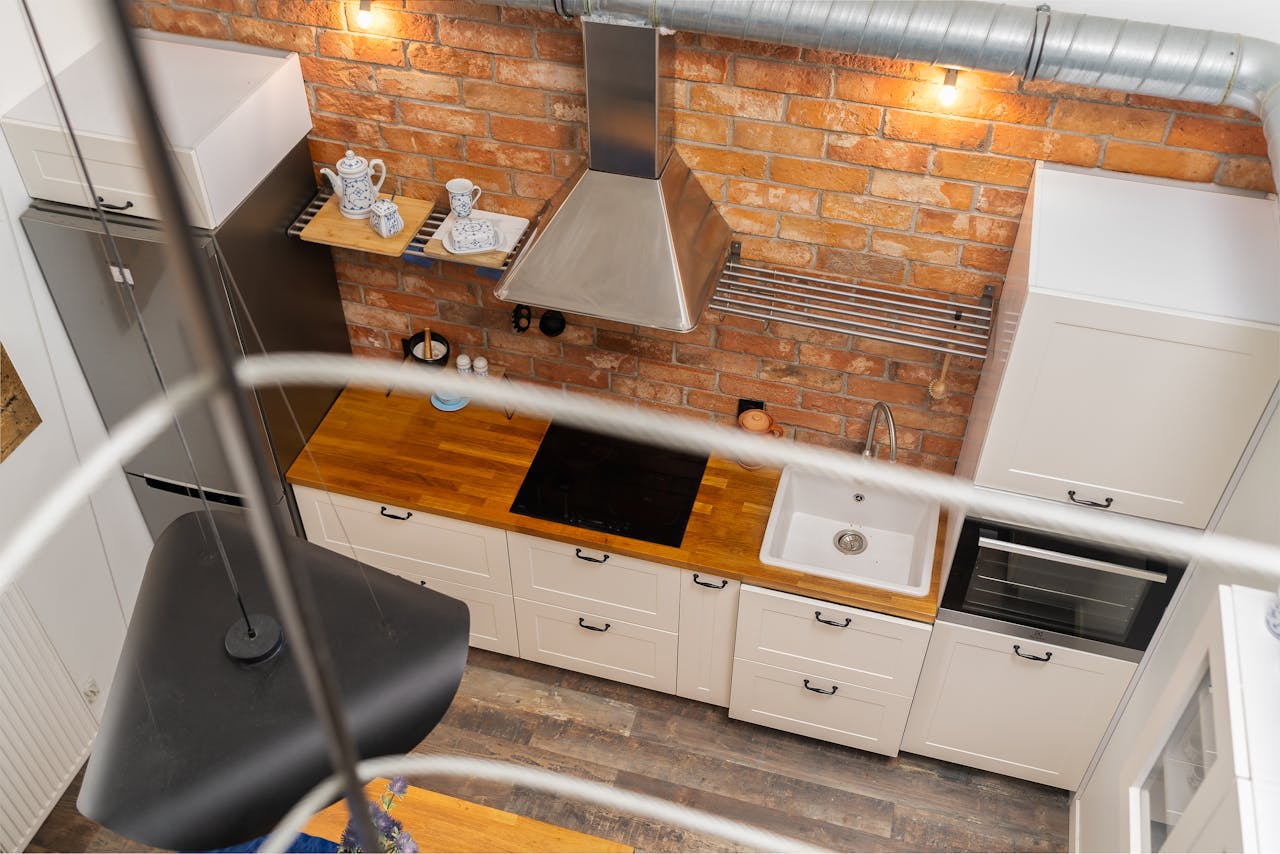
Natural or imitation brick – which will work better in the kitchen?
Natural brick is an excellent choice for kitchens, as it is characterized by exceptional durability. Experts recommend it for spacious interiors, where it serves both a practical and decorative function. Thanks to its versatility, it blends perfectly with different styles of design, giving the interior both coziness and rawness.
Each tile cut from authentic brick has its own unique shade, unique marks of time or minor imperfections – and that’s what makes it such a unique decoration! No imitation can fake this effect.
On the other hand, imitation and brick-like tiles, such as porcelain stoneware tiles, are attractive because of their ease of installation, richness of design and lack of impregation (they are characterized by being non-absorbent and easy to keep clean).
The decision between natural or imitation brick depends on individual needs and the characteristics of the interior.
- If durability and an authentic look are priorities, natural brick will be a better choice. It is also often a cheaper solution (check the promotional prices of original old brick in our store!)
- On the other hand, where a rich range of colors, quick installation and ease of maintenance are important, imitation (brick tiles imitating brick) may be more practical.
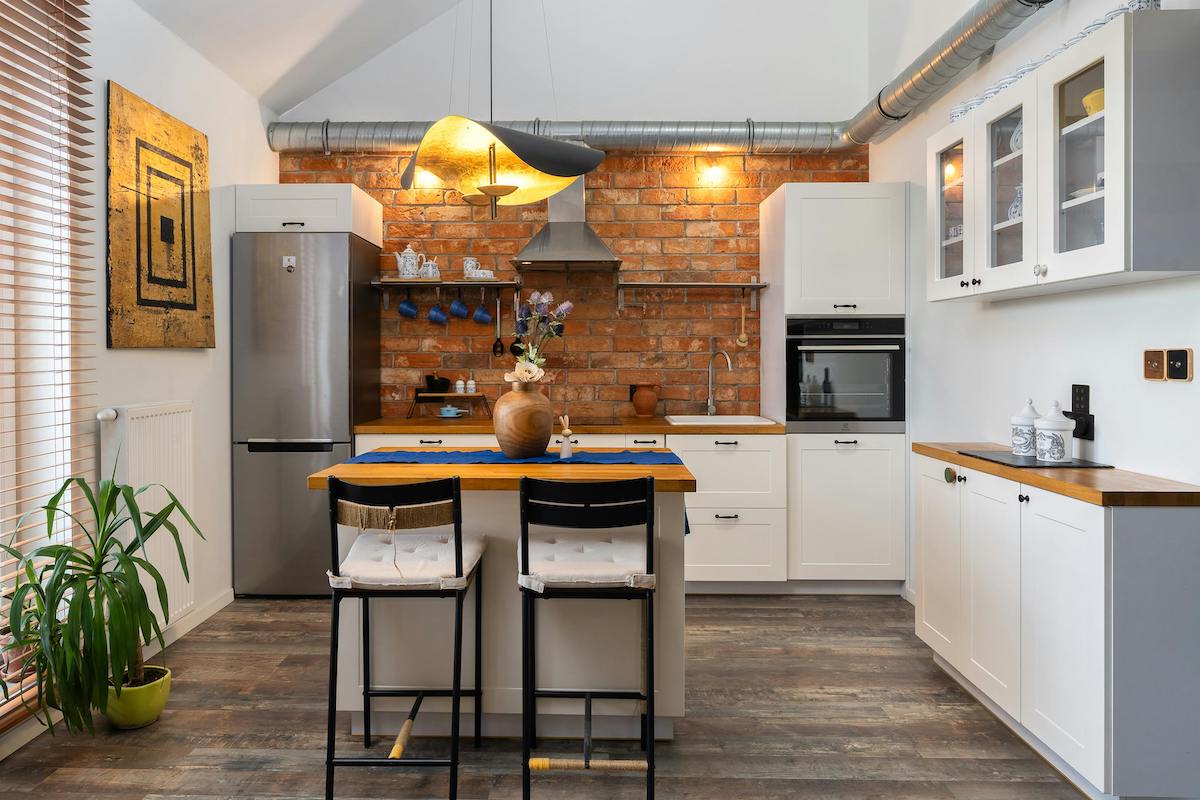
What to pay attention to when choosing an old brick for the kitchen?
If you prefer to decorate your kitchen with real demolition bricks rather than imitations, here are some points you should keep in mind:
-
Authenticity of the material – the most beautiful effect is given by bricks from demolition, carefully cleaned and prepared for reuse. Each of them has its own history and unique appearance. Just such you will find in the offer of our store.
-
Color and texture – brick is unequal to brick. Red and burgundy will add an industrial character to the interior, while a light or whitened one will optically enlarge the space.
-
Technical condition – it is good if the bricks are cleaned of mortar residue and do not have too many cavities. This will make installation and subsequent cleaning easier.
-
Porosity and absorbability – the kitchen is a place where steam and grease appear. That’s why the brick must be protected with impregnation, so that it does not absorb moisture and dirt.
-
The size of the surface – brick is expressive, so in small kitchens it is better to limit yourself to laying it only on one wall or a section of it, such as above the countertop.
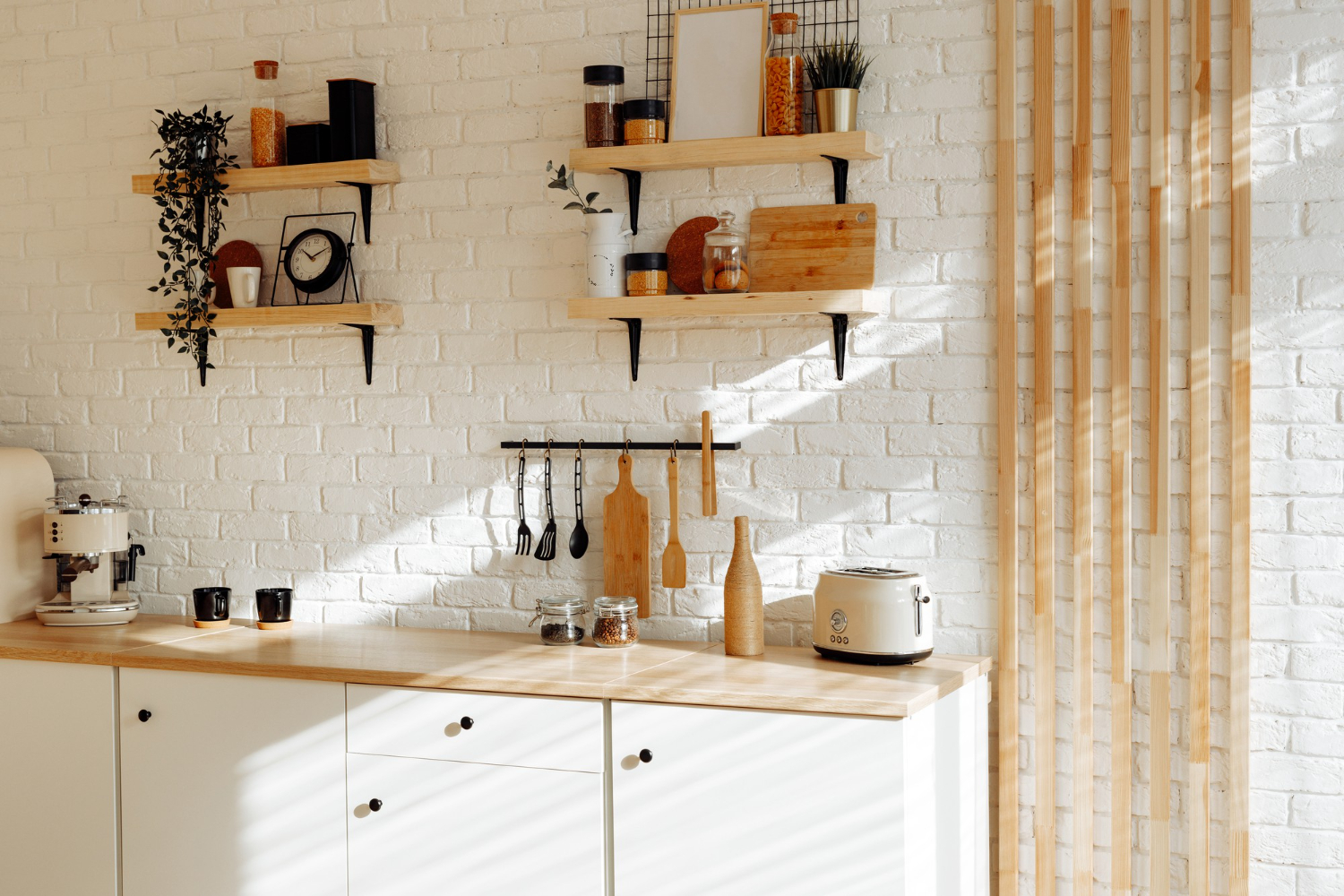
Red brick or white brick – which color to choose?
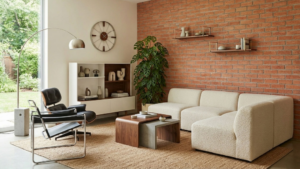
The choice of brick color in the kitchen depends on the style we want to achieve. Red brick fits perfectly with industrial decor and retro style. Its vivid color adds character and warmth to the room, which is often desired in modern interiors. Brick in darker colors (such as dark burgundy) will perfectly fit into the atmosphere of a loft interior.
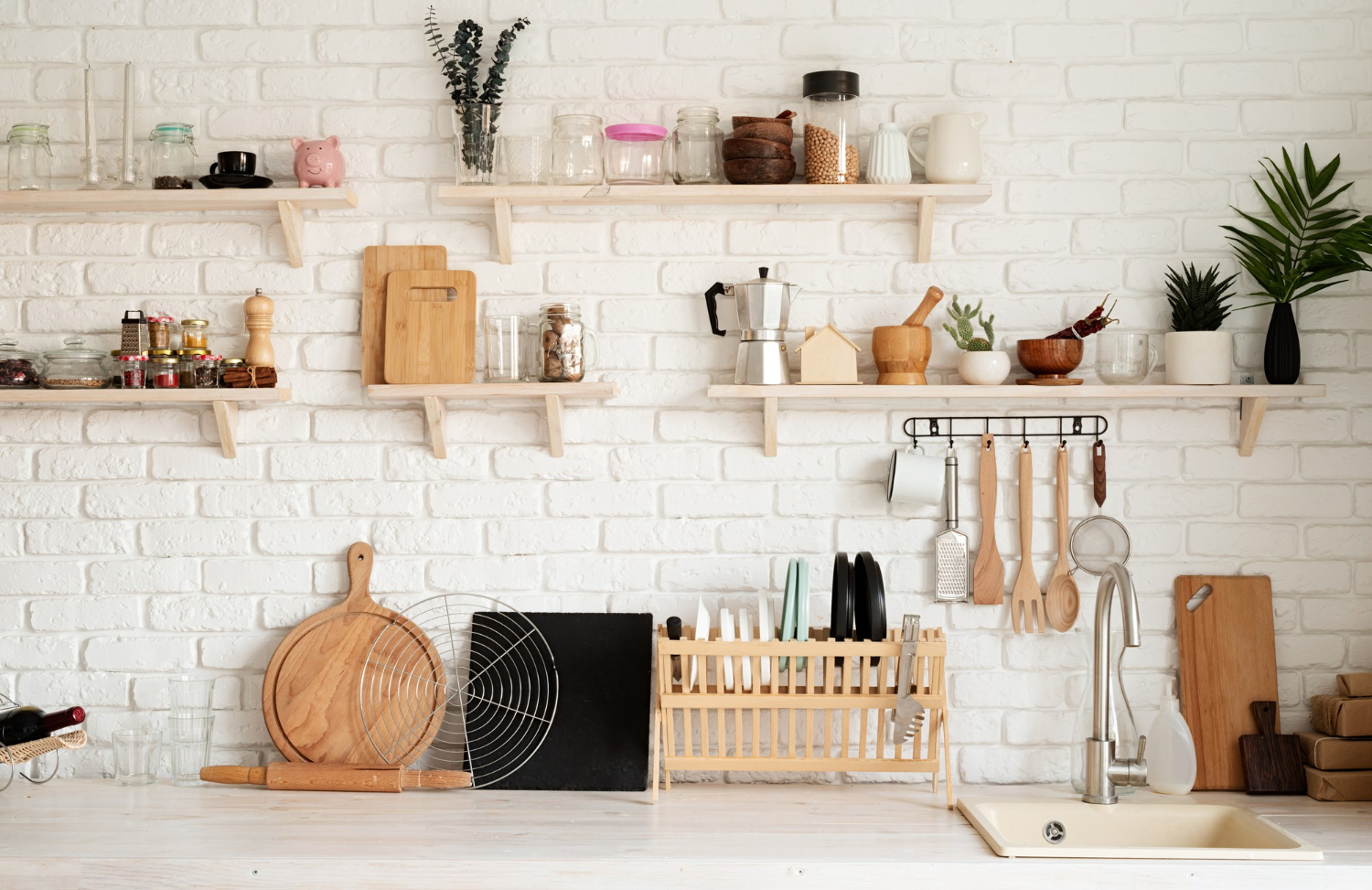
White brick, on the other hand, is perfectly suited to Scandinavian style. It is more subtle and delicate than red, so it brightens up the space and gives it lightness. It also goes well with boho and Provençal styles and minimalist interiors.
If you prefer elegance and minimalism, white brick may be a more appropriate choice. On the other hand, raw industrial or vintage elements will be better highlighted by the red version.
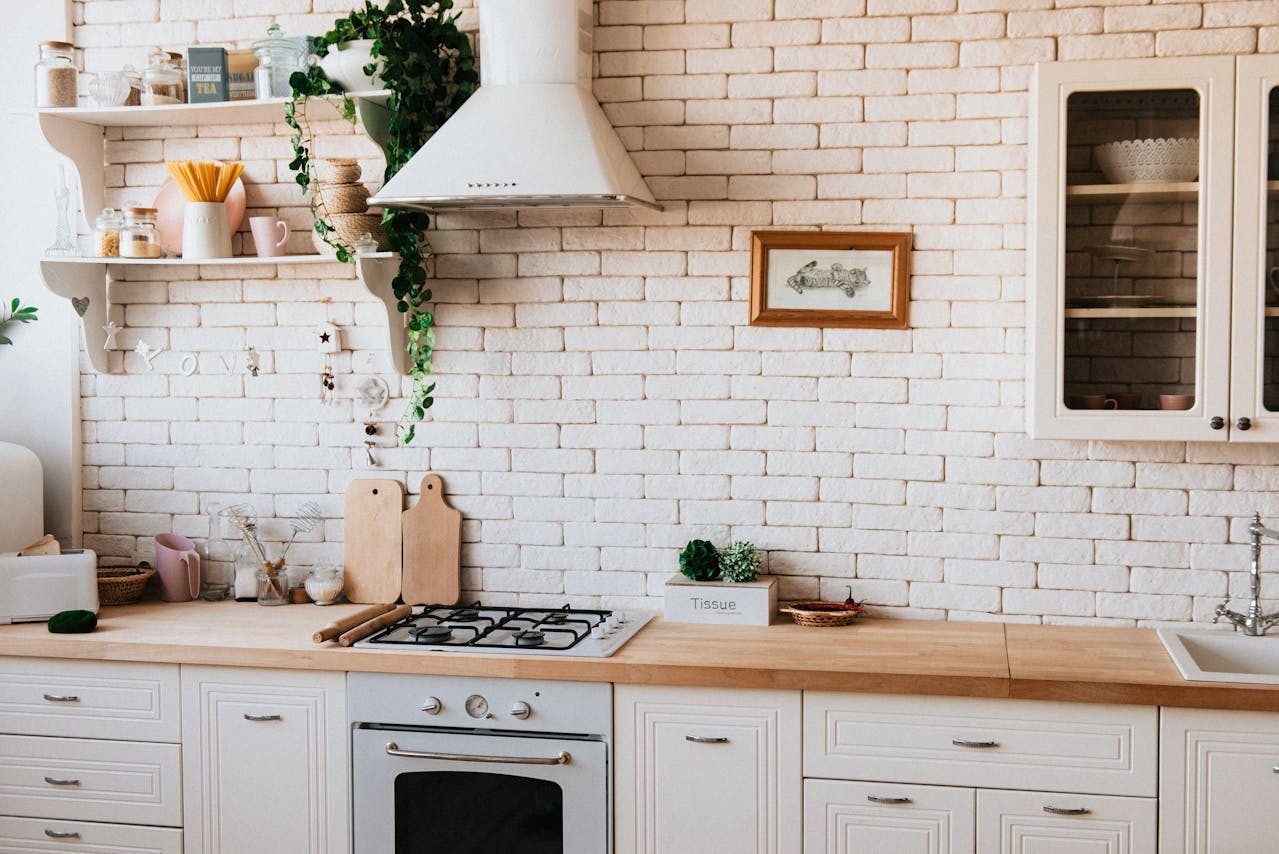
How to install brick in the kitchen?
-
Solid foundation – brick, even in tile form, weighs more than traditional tiling. It’s worth making sure that the wall will support it without any problems.
-
Grout and grout – well-chosen grout makes cleaning easier and gives the whole thing a neat look. It is worth betting on grout that is resistant to moisture.
-
Protection and impregnation – in the cooking area, it is best to additionally protect the brick with a glass or glass panel. This prevents grease and steam from settling directly on the porous surface.
-
Lighting – highlighting the brick texture with LED light will give the kitchen a unique atmosphere.
How to take care of the brick in the kitchen?
-
Impregnation is the basis -. A brick wall in the kitchen should be protected with a special preparation. The impregnant will give it a matte finish and protect it from moisture, while the acrylic varnish will provide a delicate sheen and a stronger barrier against dirt.
-
Regular cleaning – dust and fine dirt are best removed with a soft brush or vacuum cleaner with a brush attachment. For daily cleaning, a damp cloth and mild detergent will suffice.
-
Avoid aggressive chemicals – strong agents can damage the waterproofing and make the brick stain faster.
-
Refresh the protection – the protective coating wears off over time. It is worthwhile to re-impregnate the wall every few years, especially in areas exposed to moisture and grease.
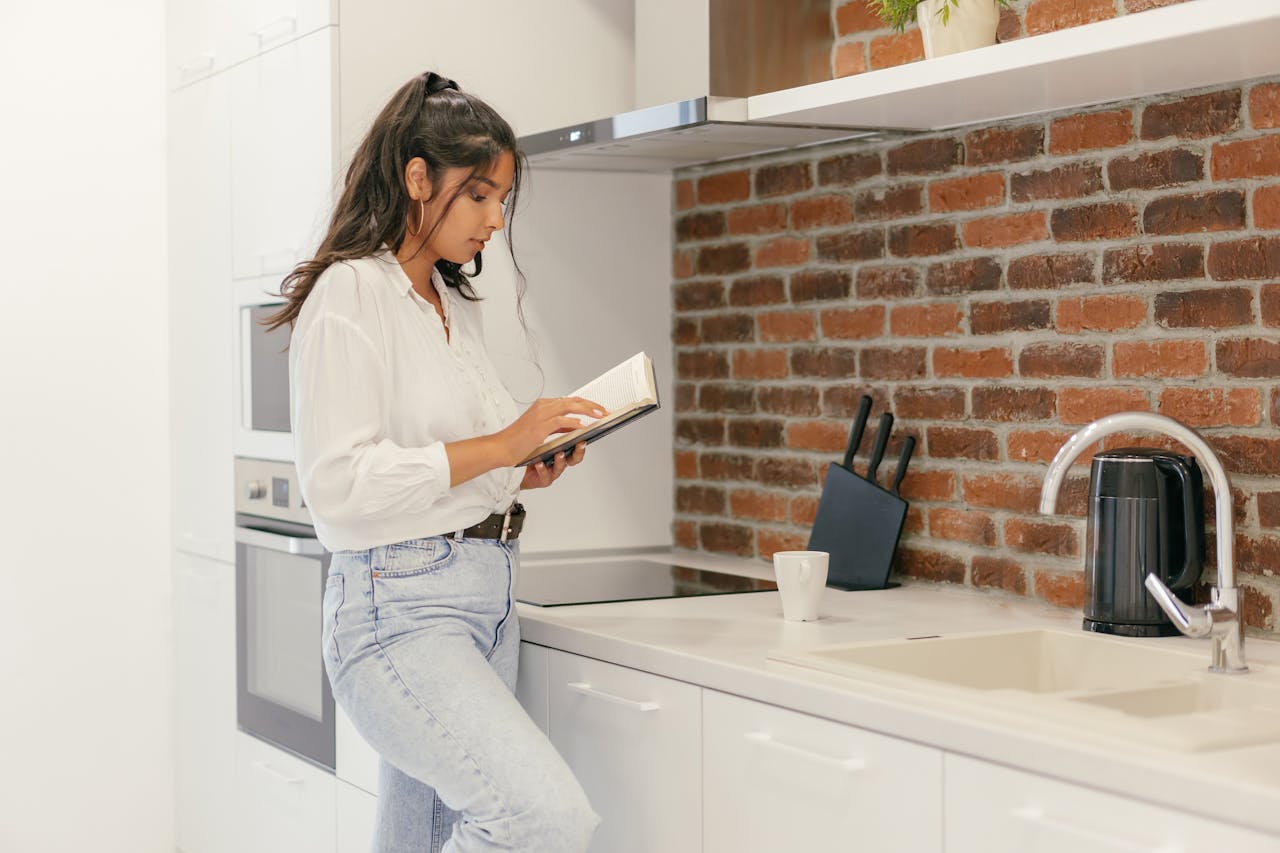
Properly selected and protected brick will not only decorate the interior, but also be practical for daily use. And if you are looking for a proven source of authentic old bricks and brick tiles, it is worth taking a look at our store DekoracyjnaCegła.pl – where you will find materials with history that will give your kitchen a unique and beautiful atmosphere.
What styles are most suitable for bricks in the kitchen?
Brick in the kitchen blends perfectly with a variety of interior styles, combining beauty with practicality. In rustic arrangements, red brick on the wall adds coziness and natural charm. It can be juxtaposed with wood and metal accents, creating a warm and traditional atmosphere.
In Scandinavian style, white brick combined with grays, light furniture fronts and light oak countertops, emphasizes the minimalist nature of the space. This makes the room appear more spacious and light.
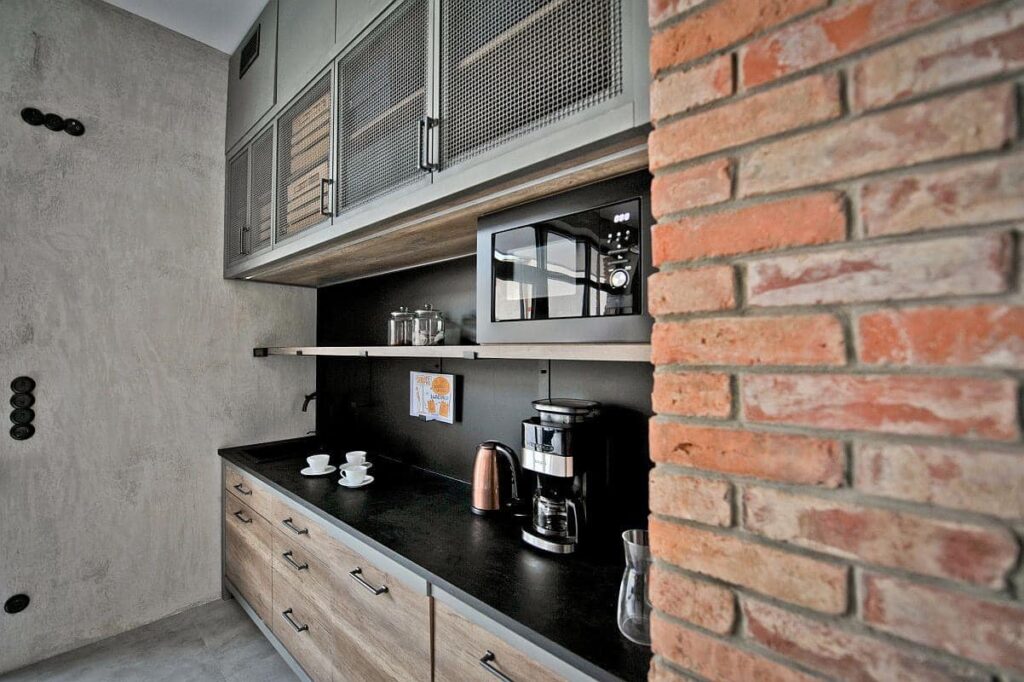
In modern kitchens, brick often appears as a contrasting decorative element. Red brick harmonizes with metal and glass, giving an industrial atmosphere. If you like the loft style, you can also juxtapose brick with other raw materials like architectural concrete on the ceiling. Appropriate lighting is also key, which enhances the structure of the brick and adds to the interior coziness.
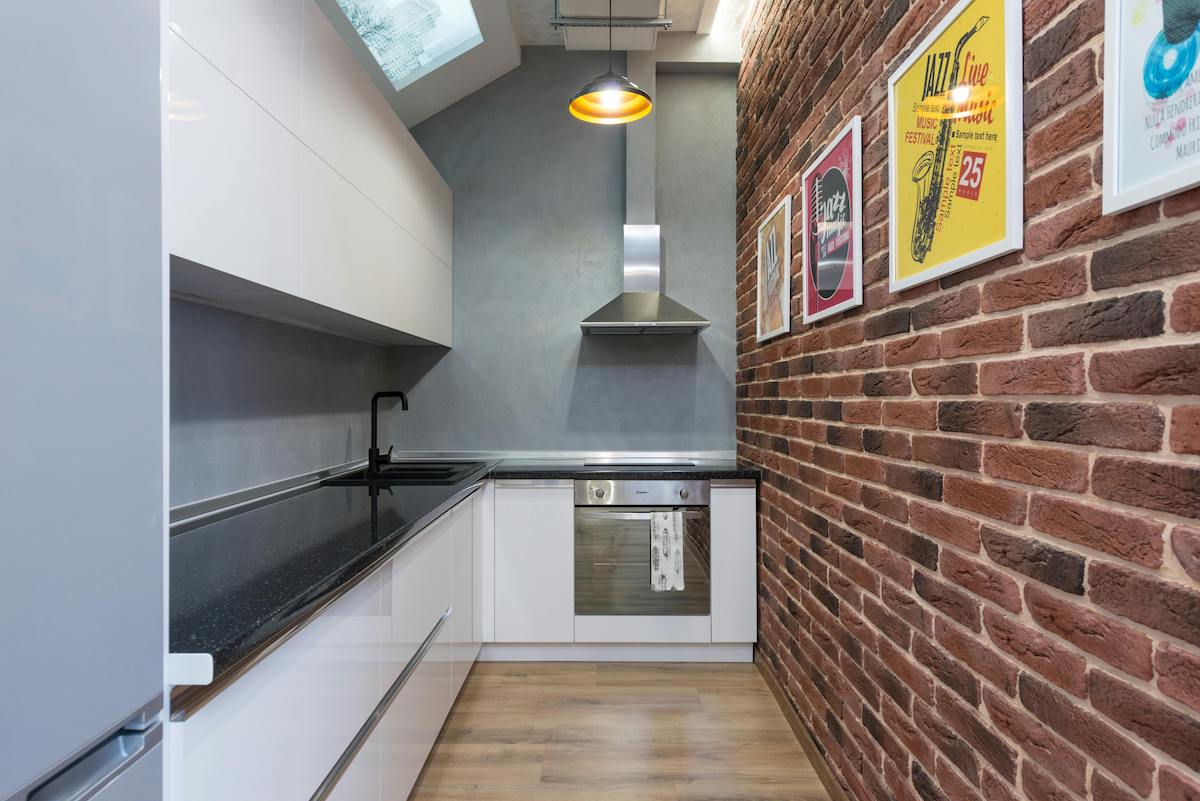
With what to combine old brick in the kitchen? – Ideas and arrangements
Old brick in the kitchen is a material of exceptional versatility. It can be juxtaposed with a variety of design elements to create a unique space. Here are some inspirations for using brick in kitchen arrangements:
Kitchen with red bricks
1. industrial / loft style
- Walls: in order to achieve a unified look, it is worth combining old brick (especially red) with architectural concrete – such a duo gives the interior an industrial vibe.
-
Furniture: black or dark brown kitchen cabinets (e.g., matte fronts or walnut or smoky oak stained wood) – create a strong contrast with the warm shade of brick.
-
Accessories: black metal lamps (such as spotlights or hanging shades), shelves with black supports.
-
Accessories: raw wood (countertops or shelves), metal hooks, hanging copper pots or brass handles.
Such built-ins and lighting bring out the industrial character of the brick – strong, but cozy.
2 Farmhouse style (modern barn)
-
Furniture: white or light gray wood fronts, preferably stylized (such as shaker), possibly with wooden tops.
-
Accents: copper handles, vintage-style lamps, hanging shelves made of solid wood.
Such a set warms the brick and supports the atmosphere of familiarity and home.
3. other allowances
-
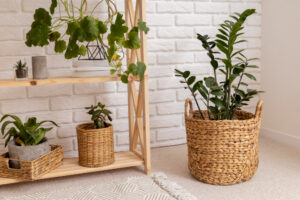
Green plants in clay pots – the vegetation contrasts beautifully with the red of the brick.
-
Open shelves – will work well both practically and visually, adding lightness.
-
Glass panels over the countertop – protection against greasy stains.
Kitchen with white bricks
1 Scandinavian, boho, Provençal style
- Walls: White brick contrasts beautifully with gray walls, enhancing its subtlety. Don’t forget about greenery – small potted plants will be a beautiful addition to such a kitchen.
-
Furniture: light fronts (white matte, cream), light wood countertops (oak, birch).
-
Details: black handles, metal accents (e.g., fixtures in matte black).
-
Decorations: simple pots with herbs, marble or gray tiles, subtle lighting.
2. classic style (light farmhouse)
-
Furniture: white with delicate decorations, open shelves in beige or light wood.
-
Accessories: ceramics (e.g. vintage), retro-style metal pendant lamps. An ideal kitchen for those who appreciate brightness and coziness, while maintaining the brick structure.
3. other allowances
-
Pictures or striking artwork – brick is a great background.
-
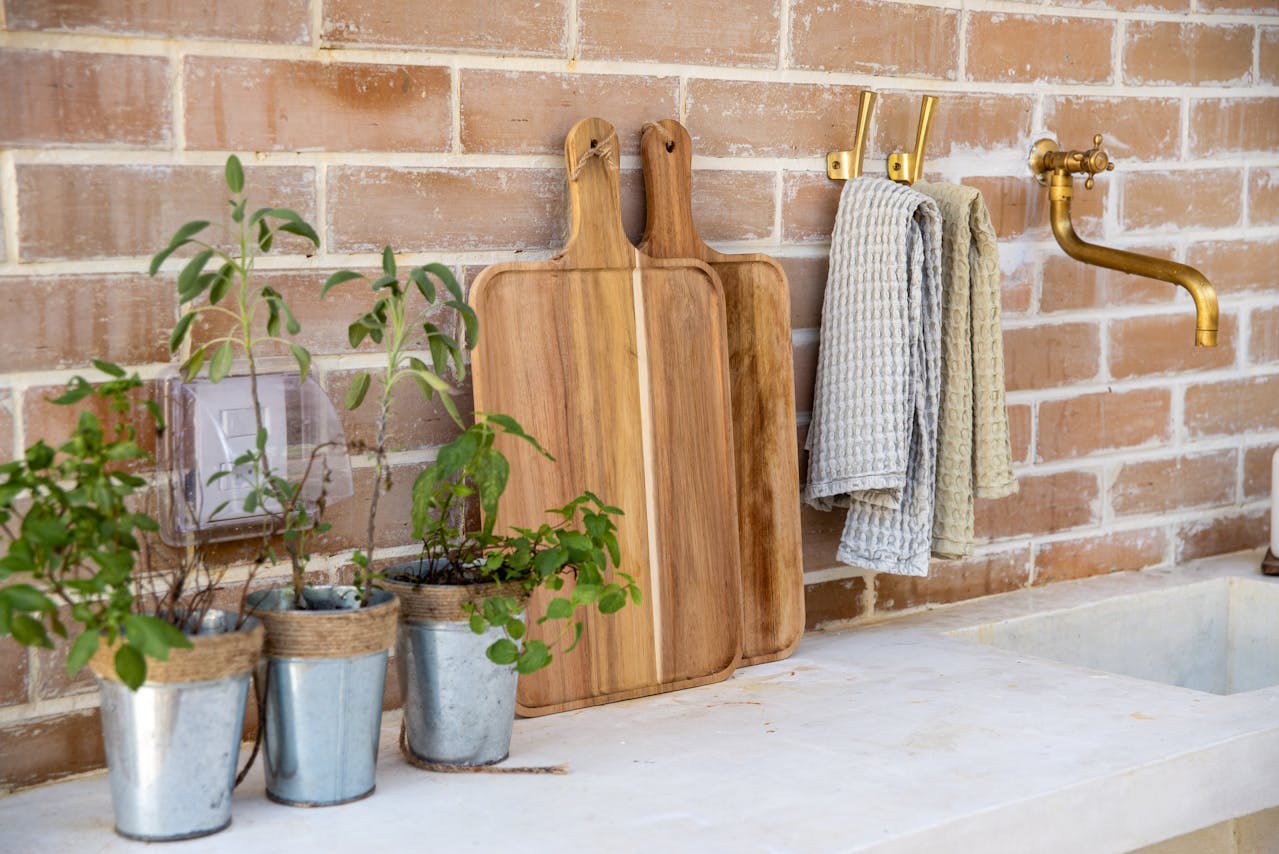
Wooden accessories (boards, trays), textiles (linen, cotton) in neutral colors.
-
Brass or copper accents – warm up the interior and add elegance.