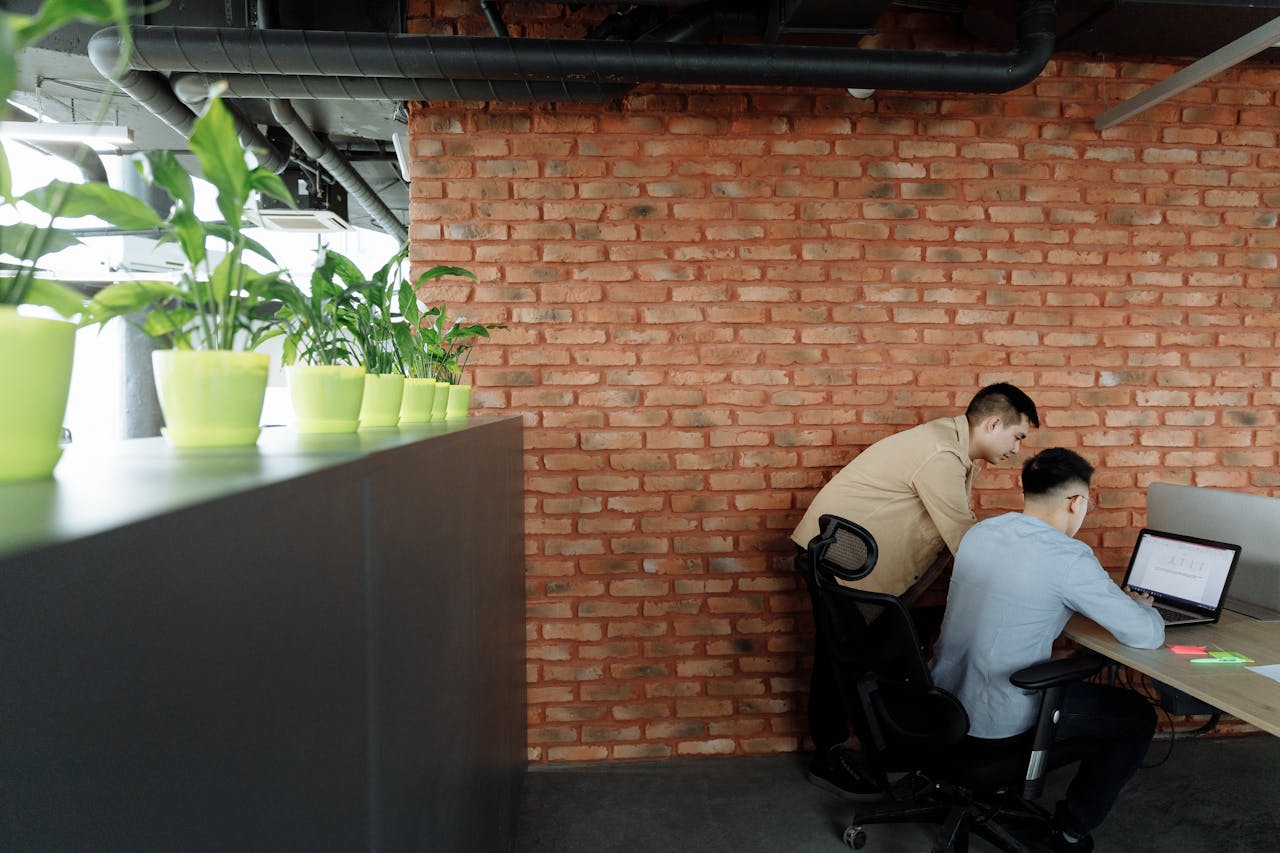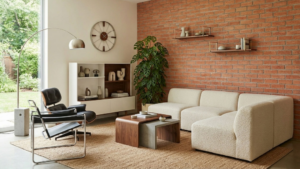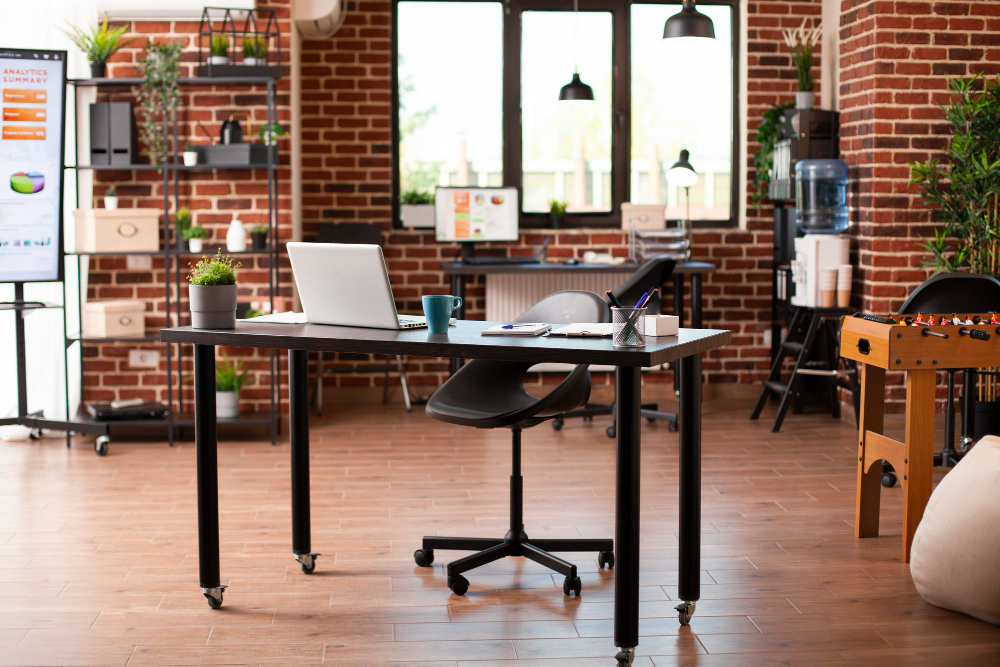
The interior of an office or study today is not just a place to work. It’s a company’s business card, a place to meet with clients, a space that can be seen in photos and during video conferences. The layout of the rooms, the colors of the walls, the lighting and finishing materials together create a specific message about the brand: serious, modern, creative, conservative.
Decorative brick can be a simple way to add character to an interior. Used properly, it enhances the corporate image – poorly planned, it brings chaos or overwhelms. Here are practical tips on how to use brick judiciously in an office, conference room and study.
Brick in the conference room – a backdrop for presentations and conversations with clients
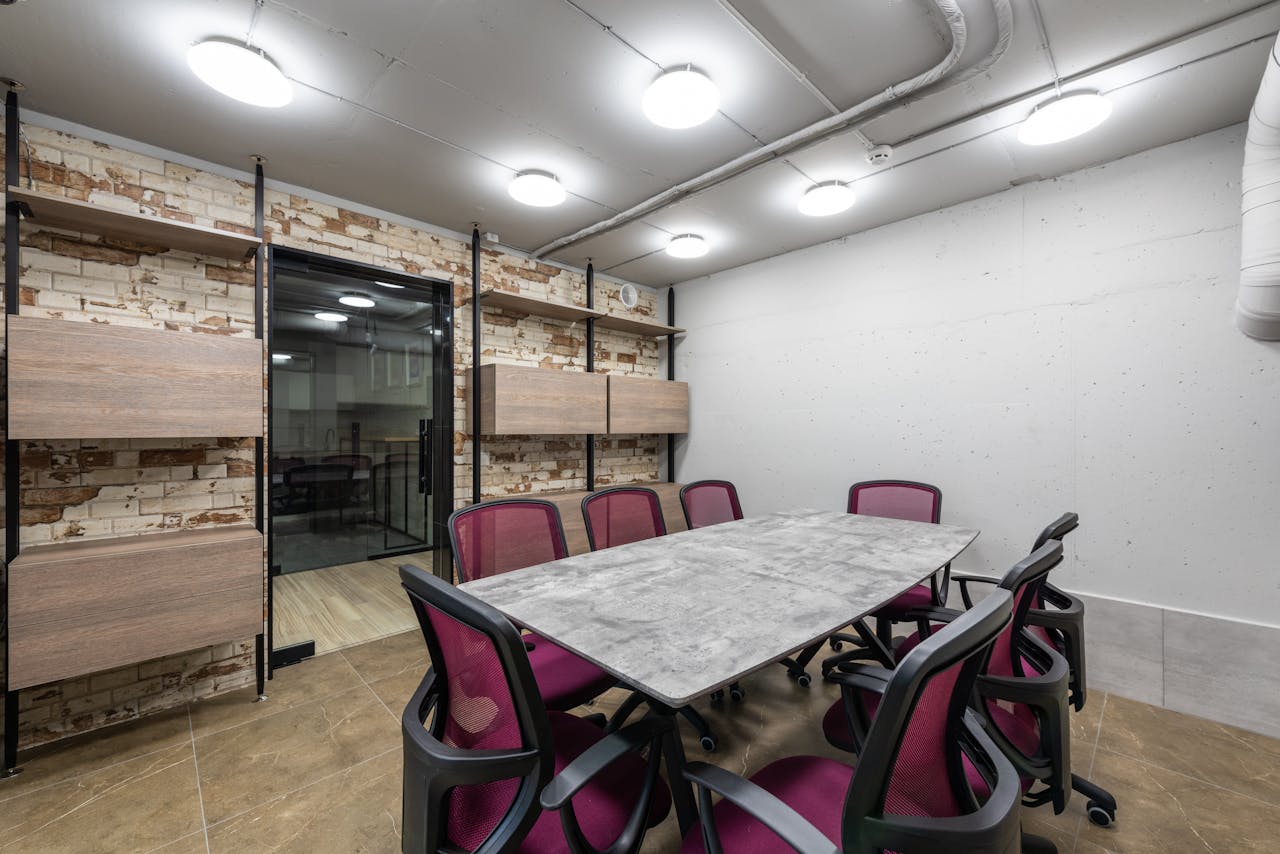
The conference room is the place where many decisions are made: meetings with clients, team meetings, recruitment interviews. It is also a space that is often seen on camera. Brick here can act as a strong but orderly background.
The best places for brick in the conference room:
-
The wall behind the person conducting the meeting,
-
Side wall visible from most seats at the table,
-
A section of the wall with the company’s logo.

In practice, the following works well one dominant brick wall, the others in a subdued color (white, light gray, beige). Such an arrangement:
-
organizes the space,
-
Directs attention in the right direction,
-
Does not fatigue the eyes during longer meetings.
In a conference room, it is worthwhile to take care of the lighting of the brick wall – for example, ceiling spotlights or wall sconces that will highlight the texture. Too harsh, spot light aimed at one brick or one part of the wall is better replaced by evenly distributed lighting.
Clearly structured brick tiles – the kind you can find at decorativenacegla.pl – further improve acoustic comfort by dispersing sound inside the room. This won’t replace specialized acoustic systems, but it makes a noticeable difference compared to a bare, smooth wall.
Brick in the reception and waiting area – the effect of first impressions
The reception and waiting area is the first place a customer sees when entering an office or practice. The impression this space makes often projects the perception of the entire company.
Where to use brick in the reception / waiting room?
-
The wall behind the reception counter – the background for a logo, company name or a simple inscription,
-
A section of the wall opposite the entrance – this is the first thing you see when you open the door,
-
The wall in the waiting area (behind the sofa or chairs).
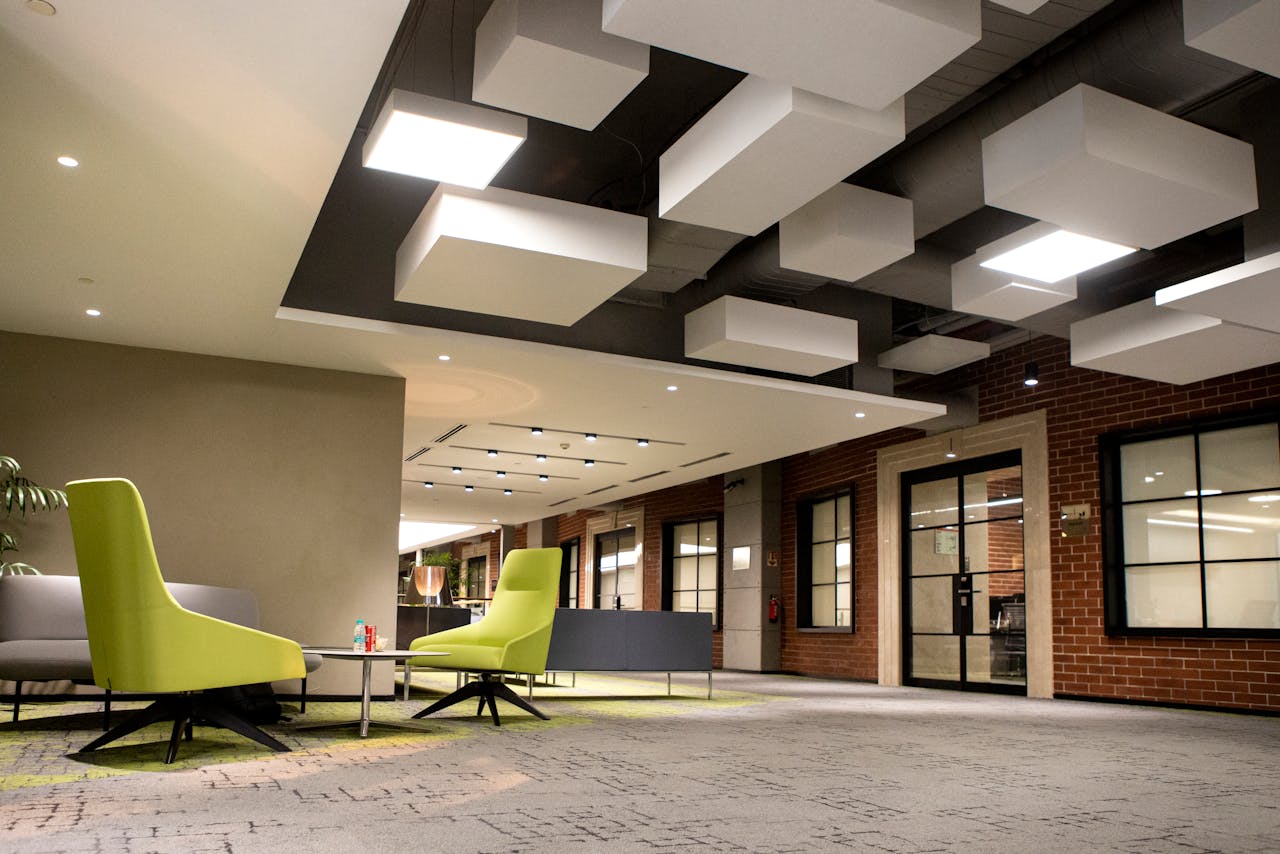
Decorative brick in these areas:
-
lends “weight” and a sense of solidity to the interior,
-
warms the space, especially combined with wood and plants,
-
is practical – it withstands minor knocks and abrasions better than paint alone.
How to choose the color of the brick to the industry?
The color of the brick is important for the perception of the interior. Other solutions will work well in a law office, others in a creative agency or design studio.
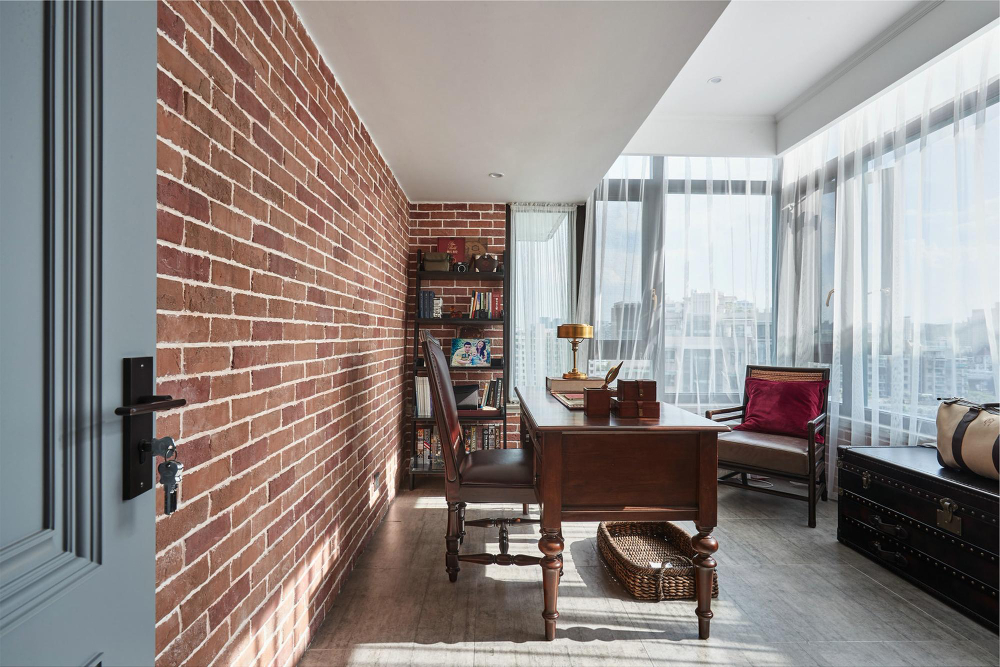
“Serious” industries: law, finance, consulting
In law firms, accounting firms, consulting firms, clients expect:
-
stability,
-
trust,
-
peace and predictability.
They will work well here:
-
Bricks in shades of natural red, slightly dimmed,
-
Shades of sand and beige,
-
A brick with a regular, calm structure.
It is worth avoiding highly contrasting, “jagged” patterns and bright colors. It is better to bet on subdued, refined shades that go well with wood, darker furniture, simple lamps.

A combination can be a good solution:
-
A brick wall behind a desk or conference table,
-
A classic, simple logo,
-
limited number of extras (a few frames, plants, lighting).
Such a juxtaposition builds a sense of order and “maturity” of the company.
Creative industries: marketing, IT, design
In advertising agencies, software houses, architectural studios or graphic design studios, the interior can be bolder.
One can then afford to:
-
Stronger aged bricks,
-
clear rubbing,
-
Brick in slightly darker, more robust shades.
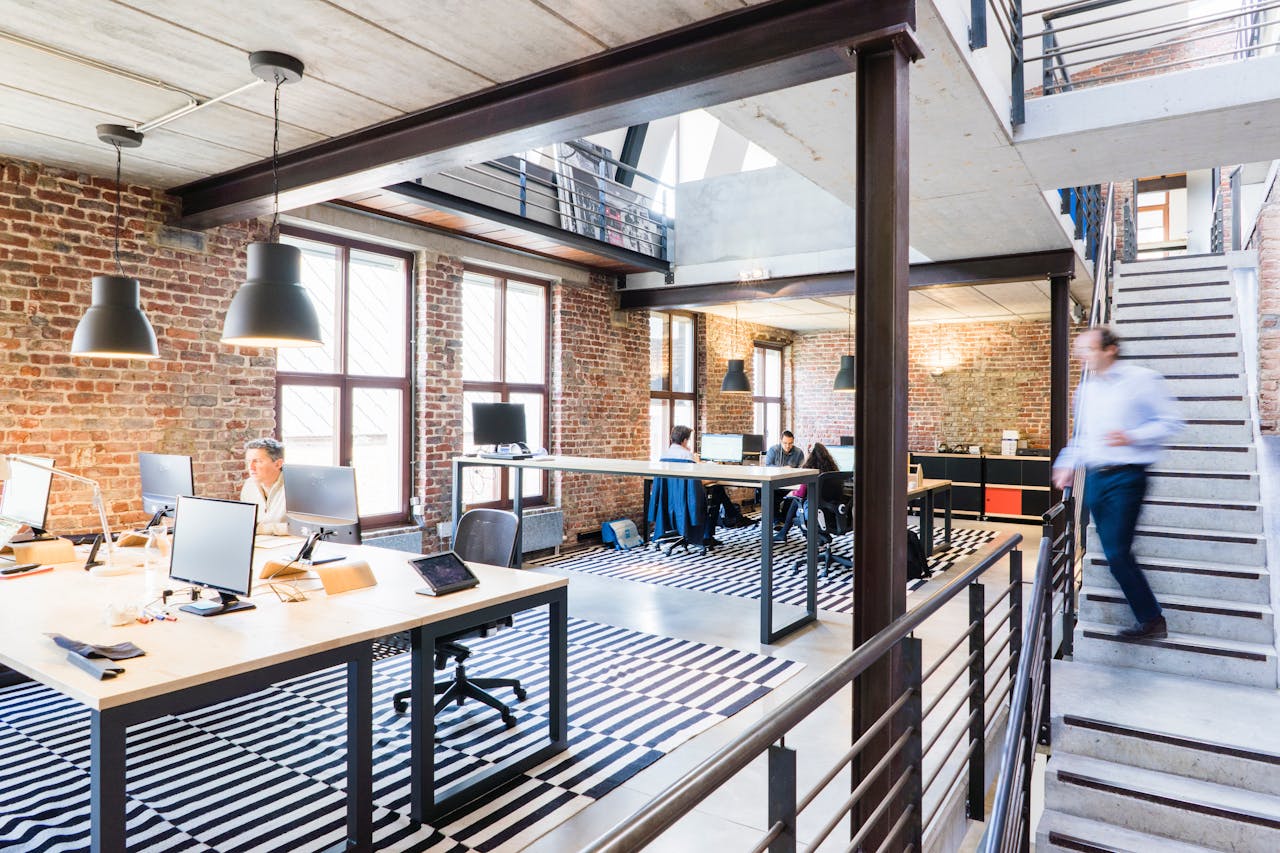
The juxtapositions look interesting:
-
Brick + black or graphite elements (frames, lamps, structures),
-
Brick + raw wood and metal,
-
Brick combined with colorful accents (e.g., chairs, posters, graphics).
In such interiors, brick can appear not only in the reception and conference room, but also in the work or rest area. However, you should be careful not to “cover” the entire office with brick – one or two walls in key areas are usually enough.
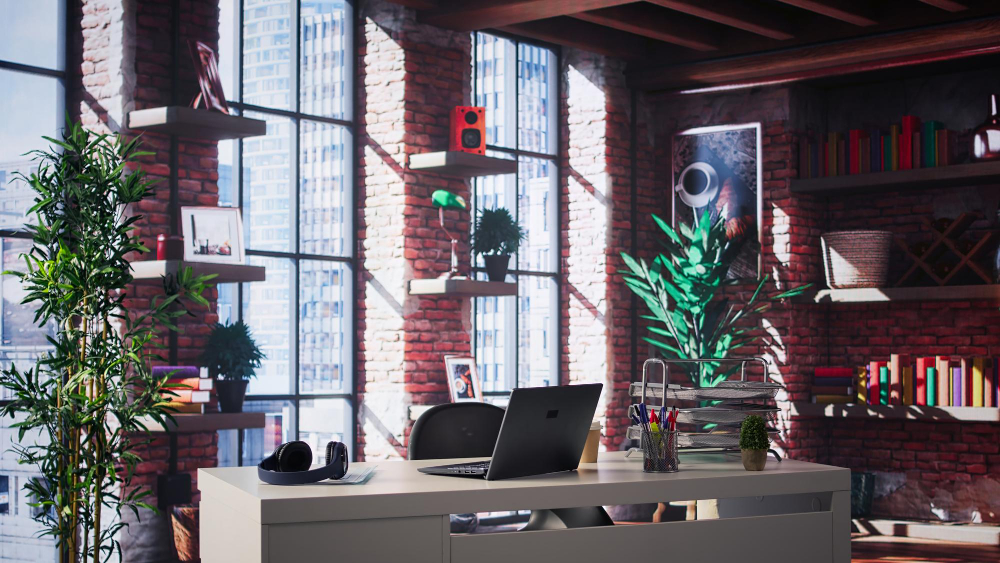
Some practical rules at the end
Regardless of the industry and the nature of the company, when planning a decorative brick in the office, it is worth remembering a few basic principles:
-
One wall in a starring role: It’s better to have one well-designed brick wall than several random pieces.
-
Consistency with the rest of the interior: the brick should relate to the floor, furniture, corporate colors. It is worth avoiding a situation where it is “from another fairy tale”.
-
Lighting: without good lighting, a brick wall loses most of its charm. Well-planned lamps are not an accessory, but part of the design.
-
Practicality: In heavily used areas (reception, corridor), choose materials that are resistant and easy to care for.
The use of decorative brick in offices and offices does not require a general renovation. Often all it takes is one wall, a well-chosen color and thoughtful lighting, so that the interior begins to realistically support the image of the company – from the first entrance of the client to the daily work of the team.