History turns the wheel. Everyone is well aware of this proverb, and we often see how most of the trends that have been firmly mapped in history, come back into favor and again after many years, become popular among people. Facade bricks are currently a veritable boom in the Polish and Western markets. Their other name is face bricks, (so-called facing bricks). Polish architecture is all about bricks. Going back years, we can be sure that almost 70% of public buildings, schools, post offices, community centers, used bricks as a structural element and facade. Facade brick, otherwise known as face or facade brick, is again playing an increasingly important role in construction. Maybe we are not talking about structures erected by developers building in bulk, but individual projects that are supposed to have their own unique character, thus fitting in with Polish construction trends. Three-layer walls, curtain walls, or constructions of chimneys or parts of a house facade – these are just a few examples. Veneer has also made its way into the interiors of our homes.

Brick facade in current building trends

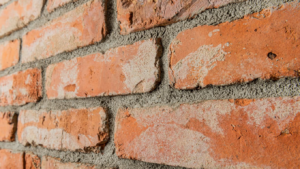
As we already know, facing bricks are facade bricks. The strength of this raw material allows for long-lasting beauty and low-maintenance fronts. An important difference and the most common difficulty in the selection is the color of the brick. Brick tiles have many different shades, which are the result of weather conditions, including the sun. It is primarily these aspects that gave them their color. Demolition of brick buildings makes it possible to acquire the raw material, and the subsequent processes of restoration of such a product guarantee a unique façade brick, hitting the shelves of home improvement stores. There are a variety of brick laying patterns. As in the interior, how we lay it on the facade will determine the final effect of our brick facade.
  • Façade brick gained particular popularity in Poland between 1920 and 1930
  • Brick facades are characteristic of Polish construction
  • The use of facade bricks brings many advantages – especially for the investor

Clinker brick vs. face brick

The two terms are used interchangeably. Clinker brick and linc brick are not the same thing. Clinker and linc brick in Polish construction are two separate things. The absorbability and hardness of the material is the key variable here. In addition, it is worth remembering here the Polish standard PN-B-12061:1996 and the European standard PN-EN 771-1. This is the standard for masonry and ceramic elements. Clinker bricks are subject to just these standards. Up to 6% water absorption, the strength class of facade bricks – this results in one of the most durable facade materials.
And now an interesting fact. Clinker brick owes its name to the peculiar sound it makes when striking one brick against another – the Dutch word “klinken”, meaning “to ring” has created a peculiar facade nomenclature. The changes in the standards classify both characteristics of facade bricks (clinker and face brick) under one standard. This results in a move away from distinguishing between the two types of bricks.

Brick facade in practice

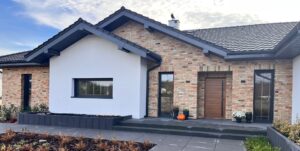
Brick facades adorn even minimalist houses, public institutions, office buildings or are used as facades of old tenements after renovation. We don’t know why it took so long for investors, architects and restorers to be convinced by brick facades. We ourselves have also seen quite a resurgence and brick facades appearing with increasing frequency. We are talking here about projects and actual investments.

The noble appearance that façade brick gives a building uniqueness. Most of us are well acquainted with the accoutrements of buildings built with facade bricks. The variants we can find in modern construction look solid, sometimes a bit too “heavy”. However, when we reach back in time, façade bricks make us remember these buildings above all. Currently manufactured facade bricks are a lesson of history transferred to the present. New construction technologies allow us to mix new building structures with facades made of different materials. The brick facade is also found in modern commercial construction. The private sector is equally keen on brick tiles. The effects of this are incredible. Architects appreciate the character of brick.