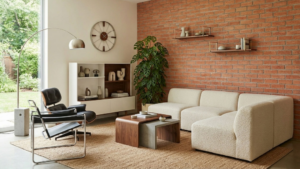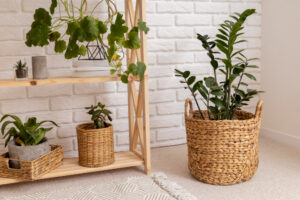
A teenager’s room is one of those interiors that must fulfill several roles at once. It has to be functional, comfortable and at the same time express the character of the person who uses it. It’s no wonder that more and more people are looking for solutions that are more durable and less obvious than standard plain walls.
Many parents are considering using old brick – a material that is expressive, authentic and resistant to changing trends. But is putting it on the wall in a teenager’s room actually a good idea?
A wall with character – how does an old brick change an interior?
In a teenager’s room, every detail can tell something about its owner. Old brick stands out because of its natural texture, colors and imperfections, which give the interior a personality – something that can’t be achieved with ordinary paint or wallpaper.
The original demolition brick is not even or perfect. It has abrasions, cracks, color differences, mortar marks and the natural patina of time. It is these imperfections that build up its authenticity and make the wall look “real” and not like a decorative panel.
For a teenager, it’s often an attractive alternative to smooth, sterile surfaces, which are associated with a lack of character and an imposed aesthetic. Brick gives the impression of a space with a history, while allowing you to create an interior that is modern, urban and personal.
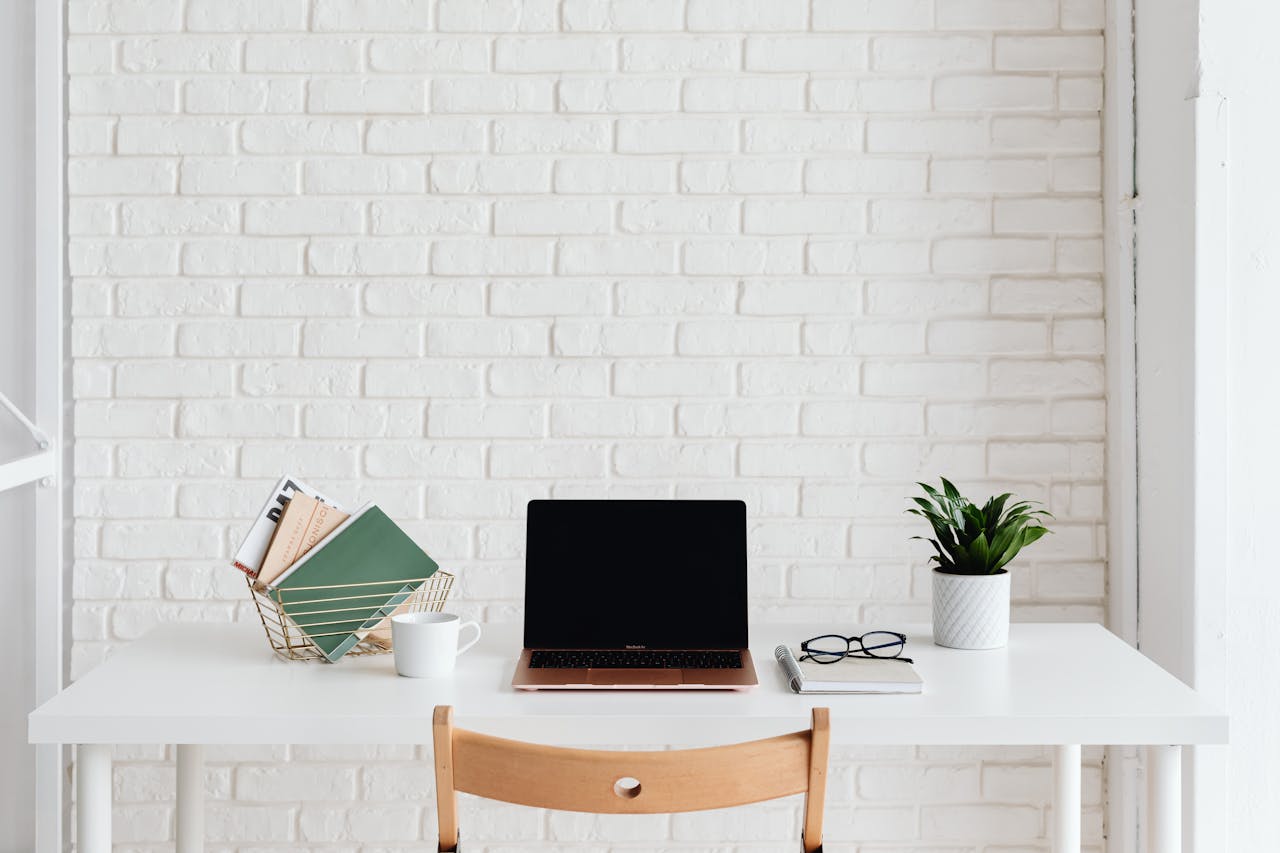
Examples of arrangements
1. one brick wall behind the bed
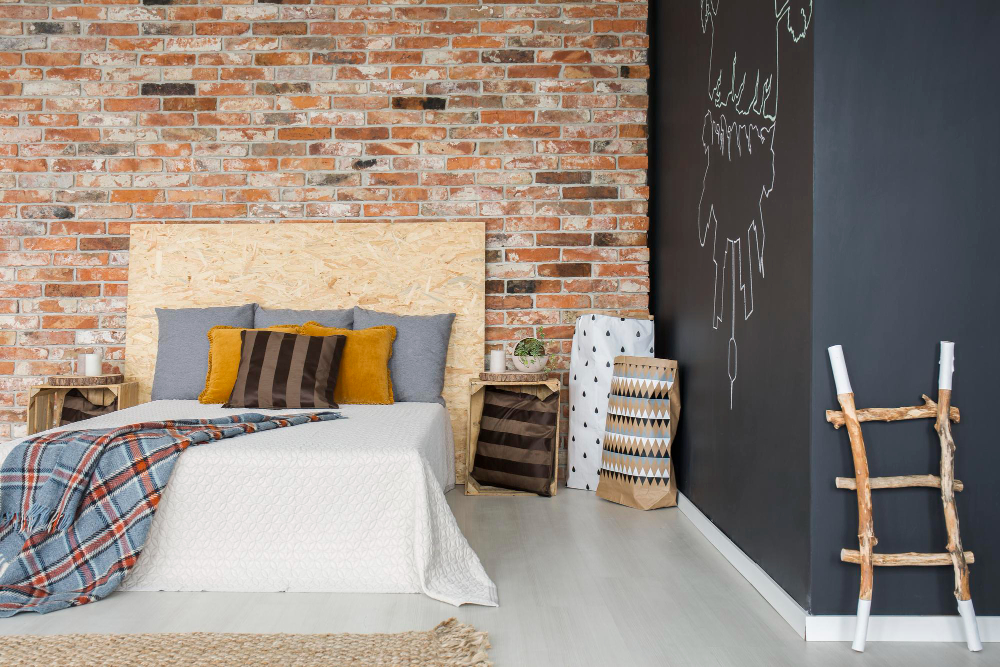
The brick wall behind the headboard of the bed acts as a natural decorative accent and does not require additional decorations (here you will find the best old decorative bricks for the wall).
Old brick in a warm, natural shade works best here, juxtaposed with light furniture: a white or light-wood bed, a simple closet and a desk without unnecessary details.
Such an arrangement strikes a balance – the brick draws the eye, and the rest of the furnishings do not compete with it visually.
It’s a good idea to complement the whole thing with soft textiles, such as light-colored bedding, bedspread or carpet, which will warm up the raw nature of the brick.

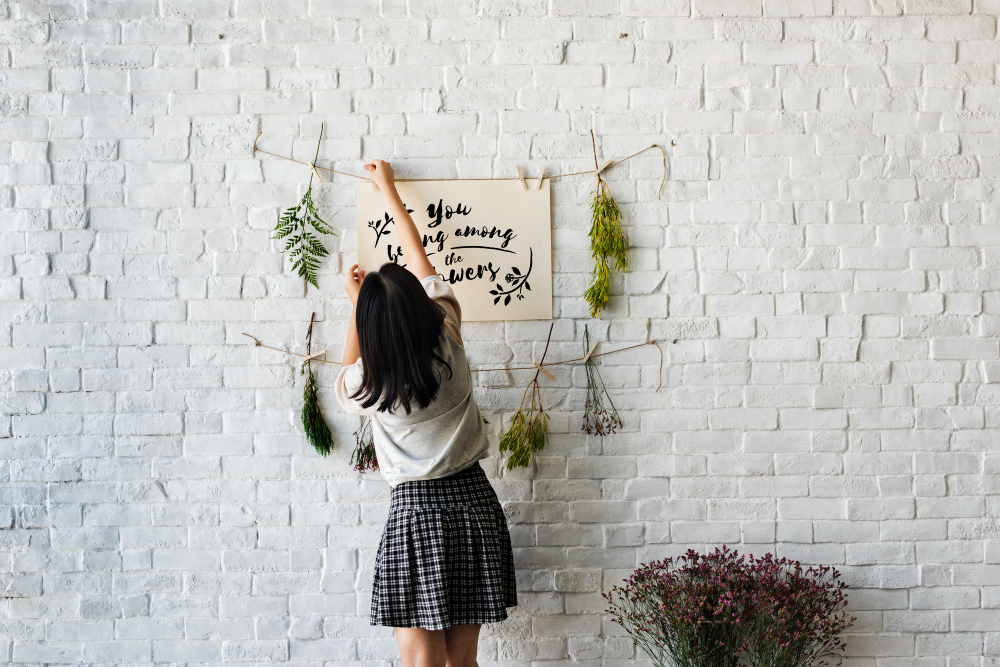
2. brick as a background for posters
Another example of where brick will work great will be its use as a backdrop for the teenager’s personal items.
Music, sports or movie posters hung on a brick wall gain a more “gallery” character. A skateboard, a guitar or a collection of figurines does not look like a random decoration here, but like a consciously planned display.
It’s a good idea to use simple frames, thin shelves of metal or wood, and keep spacing between elements – brick is decorative in itself, so it doesn’t need excess additions.
3. industrial style
In arrangements inspired by the industrial style, brick plays a central role. It is best juxtaposed with black or graphite lamps – wall lamps, pendant lamps or desk lamps with visible bulbs.
Metal bookcases, simple bed frames or steel desk legs emphasize the austere character of the interior.
However, it’s important not to overdo the heavy materials – it’s worth adding a wooden countertop, light-colored side walls or soft textiles to soften the industrial vibe and still make the room welcoming for everyday life.
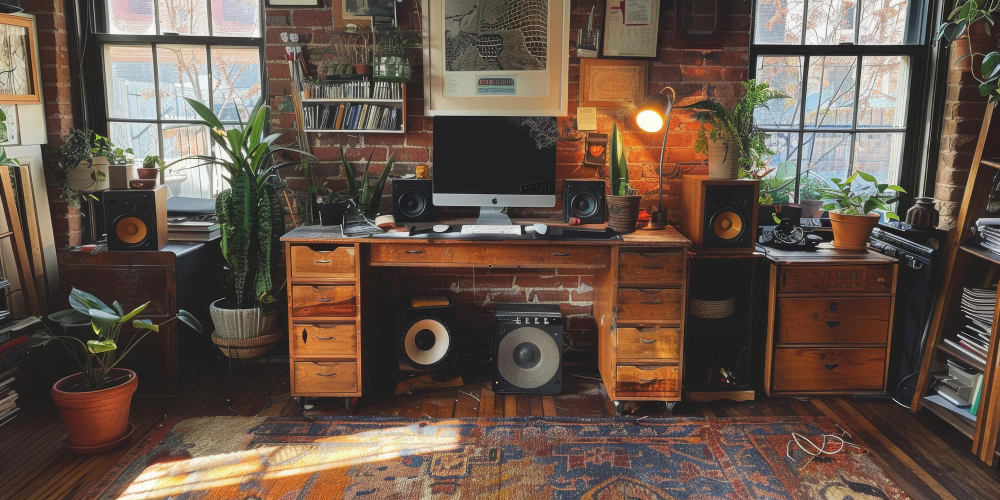
Decoration that never goes out of fashion – brick is a safe base for years to come
Adolescence is a time when a room rarely stays the same for long. Music, interests, ways of spending time and fashions that not long ago seemed to be “the one” change. That’s why old brick works well as a permanent element – it doesn’t impose style, but gives a solid, characterful background.
The brick wall is not a seasonal trend. It is a material that looks good in both austere and more subdued arrangements.
It can be juxtaposed with youthful accents, and after a few years “calm down” the interior, replacing only the accessories: lighting, posters, wall colors or furniture.
As a result, there is no need to redecorate the entire room – the brick remains, and the space naturally evolves with the owner.
This is a particularly practical solution where the room is to serve for many years without constant renewal. Authentic brick ages nobly, does not lose its appearance and acquires even more character over time.
As a result, it becomes not just a decoration, but the foundation of the arrangement, which “accepts” the next stages of the child’s life without the need to interfere with the wall itself.
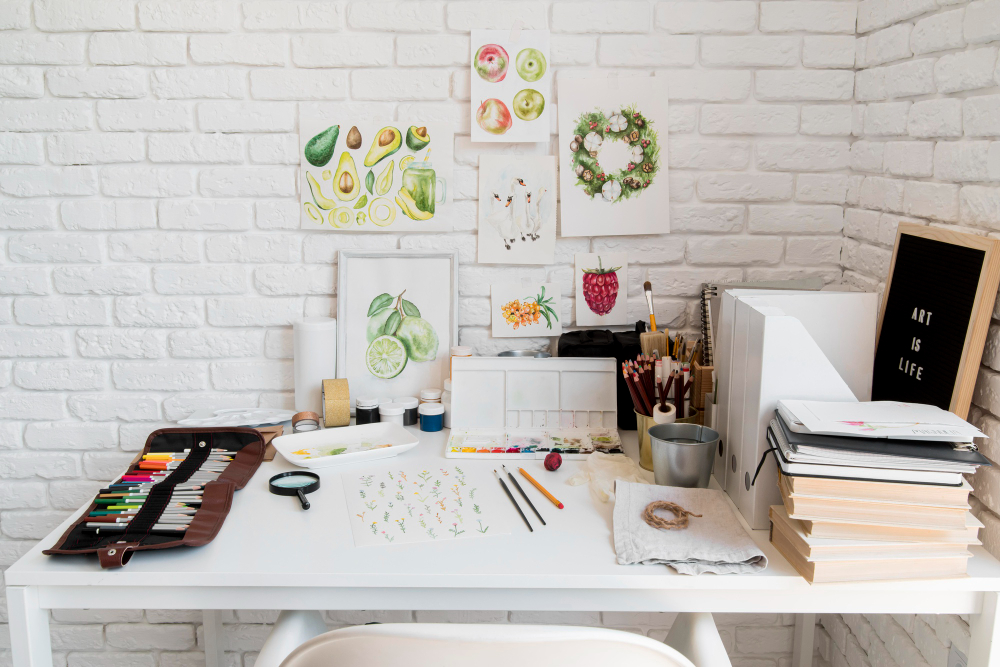
How to take advantage of it?
At the beginning of the young years, a brick wall can create a space full of energy and individuality. It goes well with colorful LED lights and street art elements, such as posters, graffiti or graphics inspired by urban culture.
After a few years, when a teenager’s taste changes, a brick wall is still an attractive backdrop. It can then be combined with wooden furniture and a simple, minimalist desk, creating an interior that is more subdued and orderly, but still full of style.
In the future, when the room becomes a young adult’s space, brick works as an elegant base for more neutral arrangements. Subdued colors of the walls and accessories, as well as subtle lighting, allow the interior to maintain a cozy yet mature atmosphere.
When does a brick start to get in the way?
However, it is worth taking into account that brick is not always the right solution for every room. If used in excess or in the wrong way, it can overwhelm the space and make the interior lose its lightness and coziness.
Some of the most common problems include the use of too much brick in a small room, the lack of adequate lighting to emphasize the texture of the material, and the juxtaposition of brick with dark colors on other walls or furniture, which adds to the feeling of heaviness.
The safest solution is to limit yourself to one, at most two walls covered with brick.
Other surfaces should be light and neutral to balance the severity of the material and keep the room harmonious and comfortable.
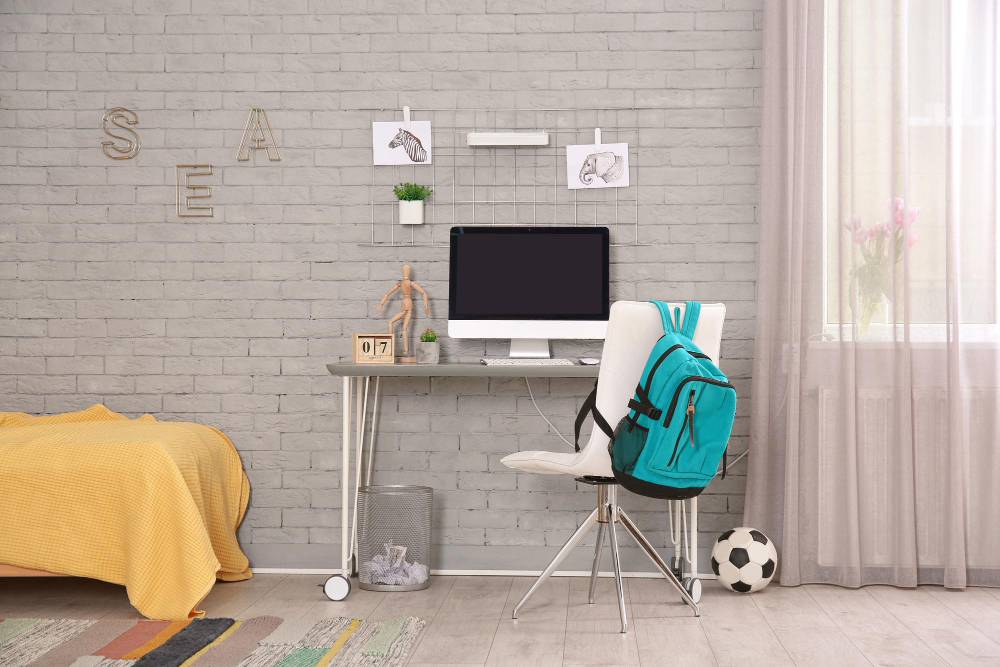
With what to combine old brick, so that the teenager’s room does not look like a basement?
The secret of a successful arrangement lies in contrasts. Brick also needs materials that “relieve” it. Here are some proven combinations.
1. wood – warms up the rawness of brick
Old brick has a naturally raw, industrial character that can seem cold in its pure form.
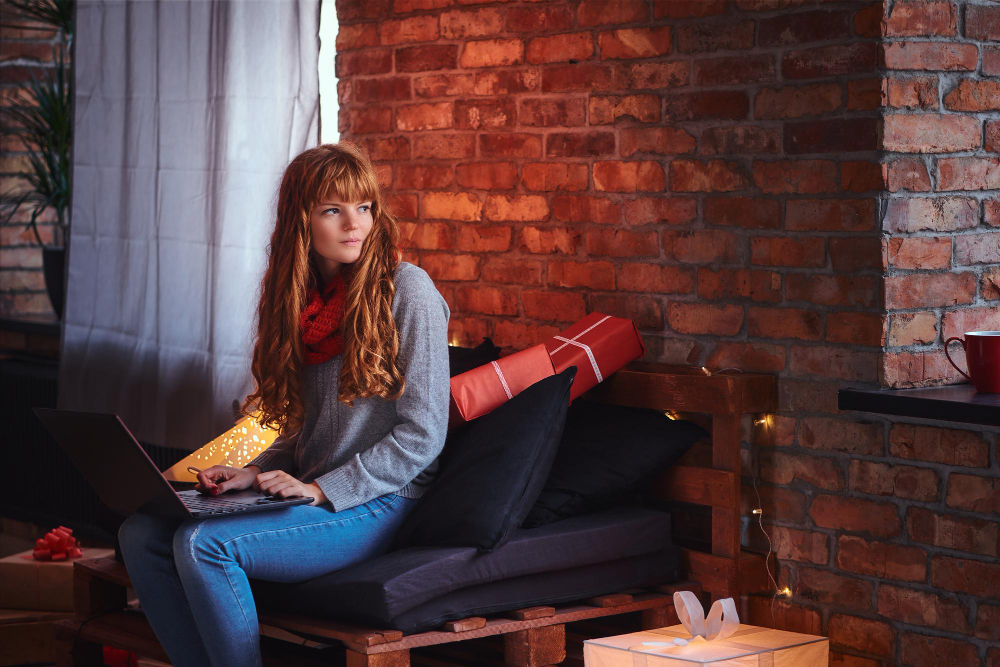
Wooden elements, such as the bed, desk, bookcases and shelves, bring warmth and coziness to the interior.
Light or medium darkened wood contrasts beautifully with the brick, emphasizing its texture, while at the same time making the room not look harsh or “heavy”.
2. light-colored walls – balances the weight of the brick
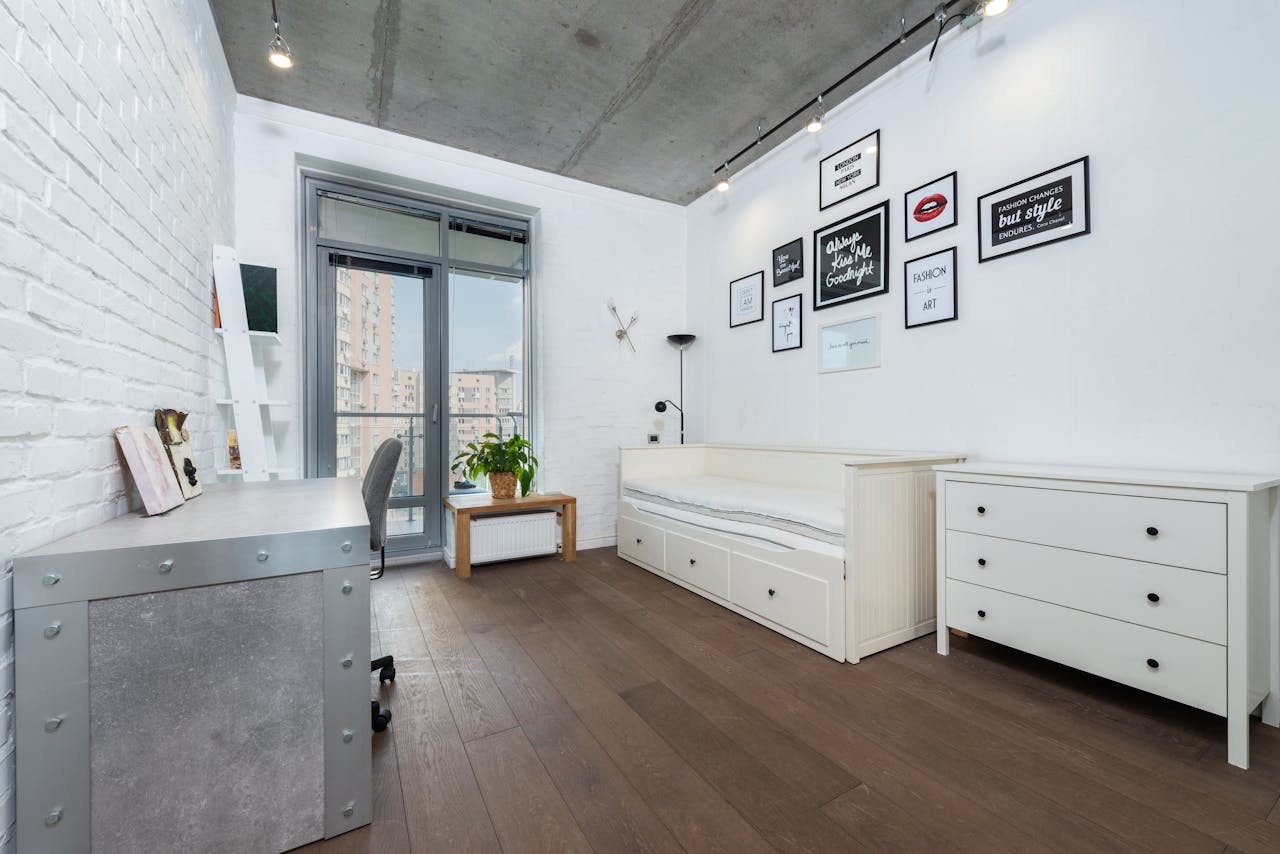
If a brick wall occupies one or two areas, it is best to keep the other walls in light colors.
White, light gray or broken ivory act as a neutral background that emphasizes the character of the brick, but does not compete with it.
This makes the space appear larger and more spacious, while the brick remains the focal point of the interior.
3. textiles – a soft contrast to the raw material
To make the room cozy, it is worth introducing textiles in the form of curtains, a rug, bedspread or pillows.
Soft fabrics soften the harshness of the brick and introduce a comfortable, homey feel. They can also act as color accents or introduce a teenager’s favorite hues, further personalizing the space.
4. spot lighting – highlights texture and creates atmosphere
Brick looks best with the right lighting. Point sources of light, such as wall sconces, wall lamps or LED strips, allow to expose its texture and irregularities.
The warm light brings out the depth of color and creates a pleasant, intimate atmosphere, so that the brick wall does not dominate the room, but becomes an element that builds atmosphere.
What to definitely avoid when designing a teenager’s room with a brick wall?
Although brick can completely transform a room, it’s easy to make a few mistakes that spoil the effect even with a high-quality material.
One of them is reaching for imitation brick or brick-like wallpaper – the effect looks artificial and loses the authenticity that real brick gives.
Another problem is the lack of impregnation. Untreated brick can dust and collect dust, making it difficult to keep the room clean and less comfortable.
Also unfavorable is the juxtaposition of brick with heavy, massive furniture. Such an arrangement overwhelms the space and takes away the lightness of the interior.
Also, the overdoing of raw materials, for example, the simultaneous use of brick, concrete and dark colors, makes the room depressing and loses its friendly character.
The most important rule is simple – less is more. The brick should remain the focal point, and the rest of the interior should support it with lightness, bright colors and subtle accessories.